


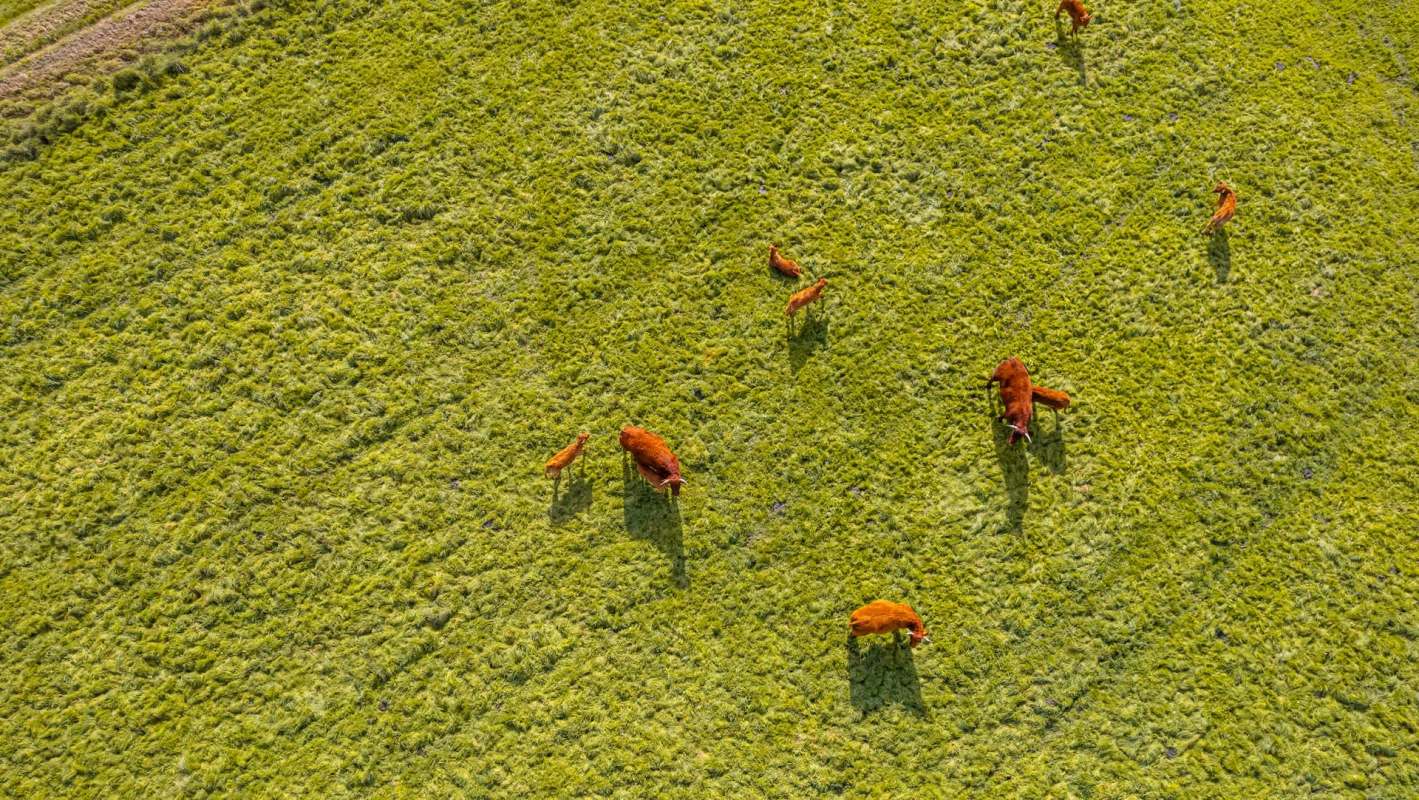
Beef remains a staple on many American dinner tables, but the supply of cattle behind those burgers and steaks is under increasing pressure.
The U.S. cattle herd has shrunk to its smallest size in 75 years, a trend that is helping keep beef prices elevated at a time when many households are already struggling with higher grocery bills.
What's happening?
The U.S. started the year with 86.2 million cattle, a USDA tally that NPR reported was the lowest since 1951. Demand for beef, however, has remained strong, leaving a widening gap between what consumers want and what ranchers can supply.
Producers say the squeeze is coming from several directions at once: higher costs for fuel, fertilizer, equipment, and borrowing; drought and wildfire threats intensified by climate change; and a steady decline in the number of farms raising cattle. USDA data show cattle operations fell about 17%, from 882,692 in 2017 to 732,123 in 2022.
Supplies have tightened further because the U.S. halted live cattle imports from Mexico after the spread of the New World screwworm, a flesh-eating parasite. USDA data reported that Mexico accounted for about 62% of U.S. cattle imports from 2020 to 2024.
Beef production has held up better than herd totals alone might suggest, largely because cattle today are significantly larger than they were decades ago.
TCD Picks » Quince Spotlight
💡These best-sellers from Quince deliver affordable, sustainable luxury for all




Why does it matter?
The most immediate effect is simple: beef prices are likely to stay high. Ranchers say those higher prices do not simply reflect producers reaping bigger profits; many are facing the same inflation-driven cost increases affecting everyone else.
The structure of the beef industry is adding to the strain, NPR reported. USDA data show that four companies have accounted for more than 80% of the U.S. cattle-processing market since 1995. That level of consolidation can leave ranchers with fewer buyers for their animals even as shoppers continue paying more at the store.
Climate-linked droughts and wildfires add to that uncertainty, making herds harder to maintain and more expensive to manage.
What's being done?
Federal officials have taken several steps, though not all have broad support. The administration blocked live cattle imports across the southern border over screwworm concerns and has also pushed a plan to strengthen domestic beef production, including tighter "Product of USA" labeling rules.
NPR reported that President Donald Trump also directed the Justice Department to look into the country's four biggest meatpackers, JBS, Cargill, Tyson Foods, and National Beef, over possible collusion and price manipulation.
Some ranchers are trying to bypass parts of the system by selling beef directly to consumers through local processors, cutting out middlemen.
"You're dealing with a live animal," Reid Hall said, per NPR. "It's not going to happen in five years. It's going to take time to do it."
And as Jason Cleere put it: "Our expenses have gone up just like your beef prices have gone up."

Get TCD's free newsletters for easy tips, smart advice, and a chance to earn $5,000 toward home upgrades. To see more stories like this one, change your Google preferences here.






