


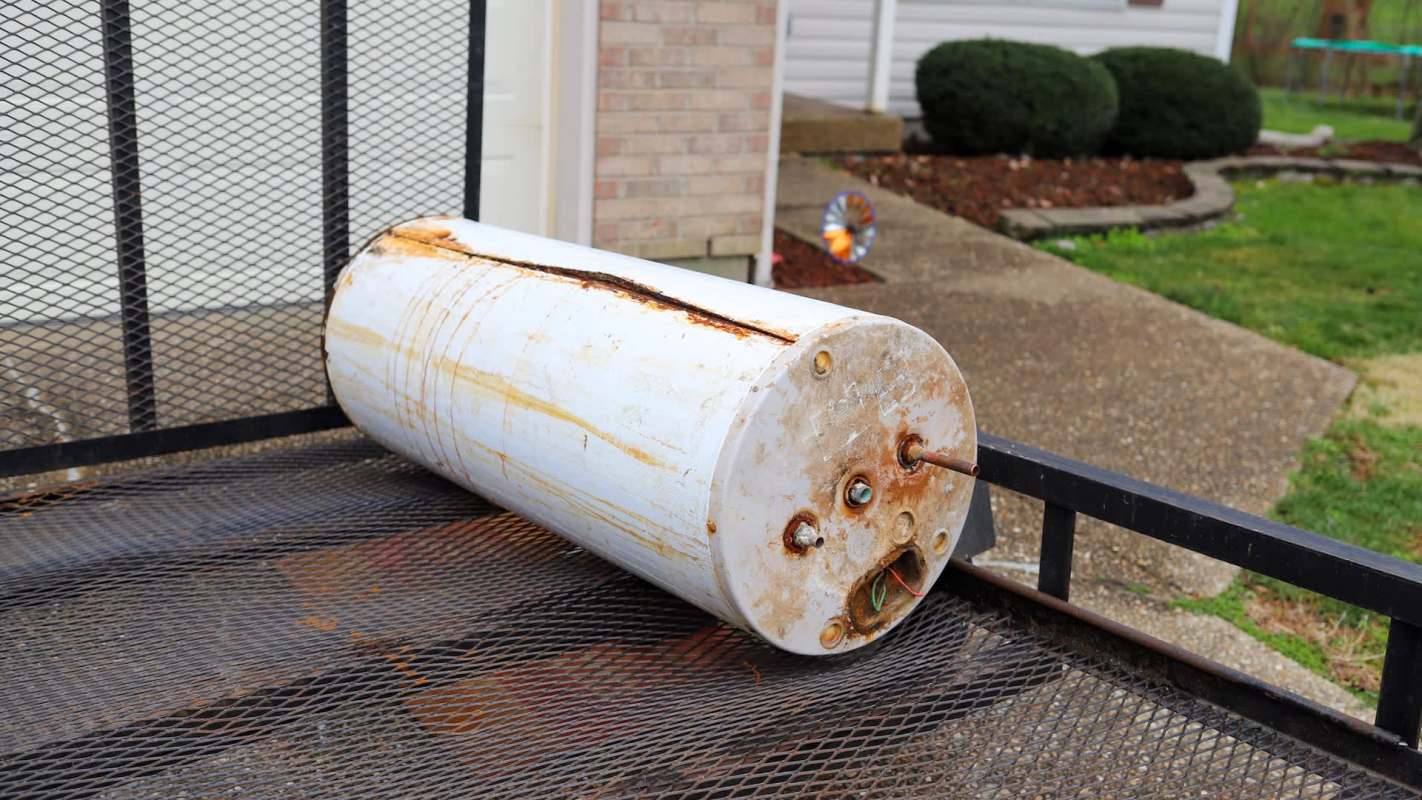
A Bay Area policy shift is putting water heaters at the center of a growing debate among homeowners.
Starting next year, many residents across the nine-county region of California could be required, according to the San Francisco Chronicle, to replace broken gas water heaters with electric heat pump models instead — a cleaner option that can also bring thousands of dollars in added upfront costs.
The new rules from the Bay Area Air Quality Management District are meant to curb pollution from buildings, a major source of emissions in the region. For many homeowners, that means a failed gas water heater could no longer be replaced with a similar gas model.
According to local reports and installers, a heat pump water heater typically has a higher upfront cost compared to its gas counterparts. However, heat pump models are extremely efficient compared to conventional units and can help homeowners save significantly on utility bills.
Those savings can make a big difference over time. In fact, water-heating company Cala estimates that some U.S. homeowners could save nearly $10,000 on utility bills over a decade by replacing a standard electric water heater with one of its heat pump models.
The debate is about more than a single appliance. It offers a preview of how home electrification rules could shape future utility costs and home renovations.
The same air district is also set to begin phasing out gas-fired furnaces in 2029, and California regulators are considering similar appliance standards statewide.
These new rules offer a couple of examples highlighting how governments are taking action to help homeowners adopt cleaner, more efficient appliances.
Save $10,000 on solar panels without even sharing your phone number Want to go solar but not sure who to trust? EnergySage has your back with free and transparent quotes from fully vetted providers in your area. To get started, just answer a few questions about your home — no phone number required. Within a day or two, EnergySage will email you the best options for your needs, and their expert advisers can help you compare quotes and pick a winner. Solar panels can save you more than $50k over their 25-year lifespan, and EnergySage can help you save as much as $10k on installation. Which begs the question — isn't that worth an email or two? |

The district found that many high-usage households would eventually break even or save on utility bills, while low-usage customers could end up with an equation that's effectively paying roughly $2 more per month, the San Francisco Chronicle noted.
Frans Cartwright, the owner of San Jose-based Better Water Heaters, estimated annual operating costs at roughly $100 for a heat pump, compared with $400 for gas.
Local rebates may help soften the upfront costs. Cartwright said his customers have averaged around $3,000 in incentives, and stacked rebate programs can make electrification upgrades more affordable.
District officials are also considering one-time exemptions for lower-income households, homes with smaller water heaters, or properties facing major electrical or structural upgrades. Still, the agency estimates that nearly two-thirds of replacements would not qualify.
While some homeowners are hesitant about the upfront cost of these high-tech systems, available incentives and lower energy bills can often offset much of, if not all of, the investment over time. Beyond the financial benefits, replacing gas-powered equipment can also reduce harmful air pollution, contributing to better public health and cleaner communities.
If you're curious about how much a water heater upgrade can save you on monthly energy costs, Cala is a good place to start. The company specializes in smart water heaters that learn your household's hot water usage patterns, helping ensure hot water is available when you need it while maximizing efficiency and minimizing electricity costs during peak-rate hours to take the annual savings a bit further than the average heat pump water heater.

Get TCD's free newsletters for easy tips, smart advice, and a chance to earn $5,000 toward home upgrades. To see more stories like this one, change your Google preferences here.






