


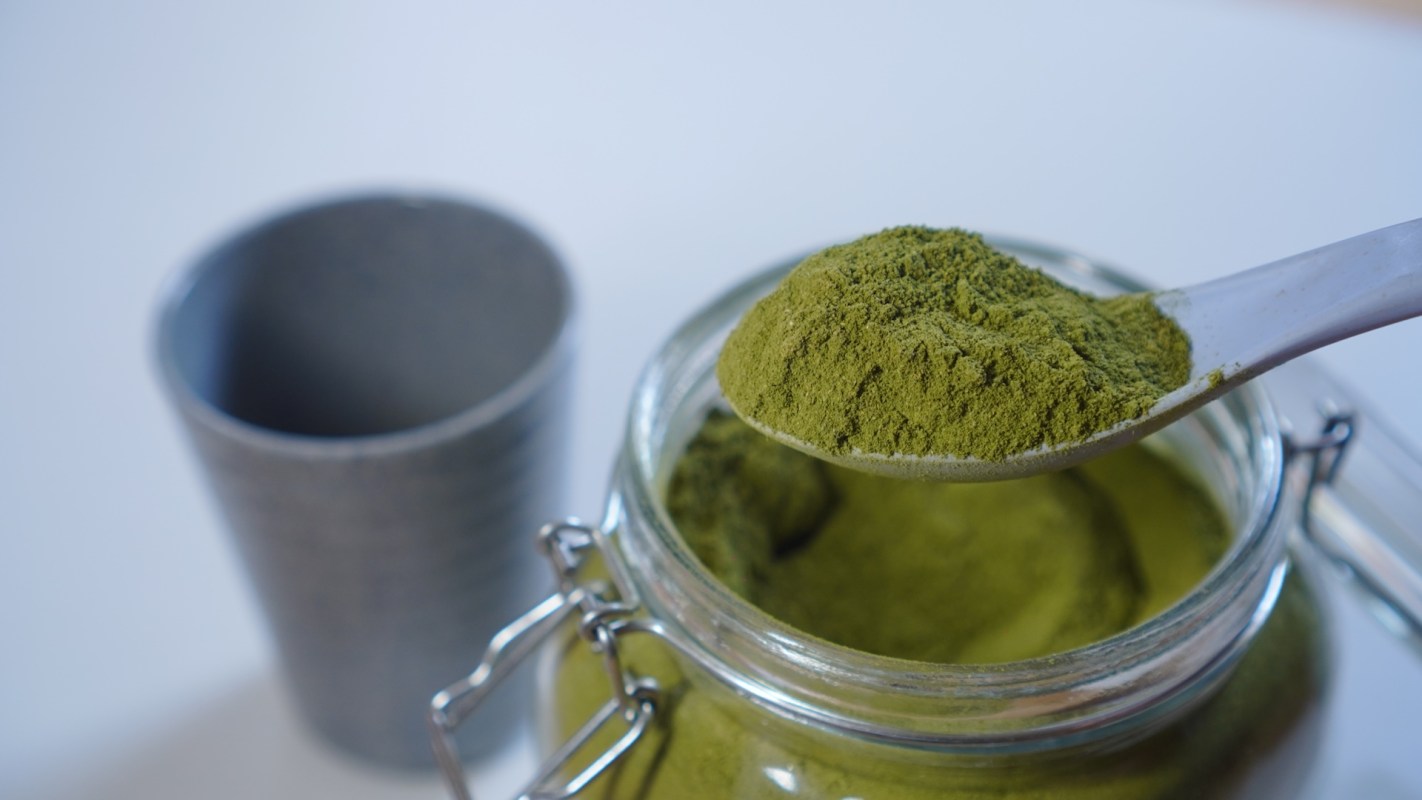
Health officials have reopened an investigation into a Salmonella outbreak linked to moringa products after 22 additional illnesses were reported.
The renewed investigation now covers 119 confirmed cases across 36 states, according to Food Safety News, underscoring how contamination tied to a single ingredient can spread.
What's happening?
The U.S. Food and Drug Administration, Centers for Disease Control and Prevention, and state and local health agencies say the outbreak involves Salmonella Typhimurium and Salmonella Newport infections linked to products made with imported moringa leaf powder.
Officials had closed the investigation in March but reopened it after identifying new cases. The FDA said illness onset dates among reported cases range from August 2025 through April 2026. So far, 32 people are known to have been hospitalized, and no deaths have been reported, according to Food Safety News.
The outlet reported that several products have been recalled, including those from Total Nutrition, Why Not, Live It Up, and MOGO Moringa LLC.
Why does it matter?
Supplements and powdered wellness products can pose food-safety risks even when they appear shelf-stable. Making monitoring efforts challenging, Salmonella-contaminated products often do not look or smell unusual.
TCD Picks » Quince Spotlight
💡These best-sellers from Quince deliver affordable, sustainable luxury for all




Symptoms of infection can include diarrhea, fever, and abdominal cramps within 12 to 72 hours of exposure. Many healthy adults recover within a week, but more serious cases can require hospitalization. Infants, older adults, pregnant people, young children, and anyone with a weakened immune system may face higher risks of severe illness.
Ingredients often move through long, complicated supply chains before reaching consumers. When contamination involves imported powders or blended products, lapses in oversight, traceability gaps, or uneven safety standards can make it harder to identify the source and limit exposure.
The official case count likely reflects only part of the problem. The CDC has said that many Salmonella infections go undiagnosed, meaning the true number of affected consumers could be significantly higher than the reported total.
What's being done?
Food Safety News reported that the FDA is continuing tracing efforts to pinpoint the specific source of the Salmonella and is coordinating with state and local partners on product sampling to determine whether more items may be involved.
Recalled products should not be consumed and instead disposed of or returned. Surfaces that may have come into contact with any such products should be cleaned.
People who have consumed moringa powder products and develop symptoms should seek medical care and mention possible Salmonella exposure. Health officials say special testing may be needed to diagnose salmonellosis because the symptoms can resemble those of other illnesses.

Get TCD's free newsletters for easy tips, smart advice, and a chance to earn $5,000 toward home upgrades. To see more stories like this one, change your Google preferences here.







