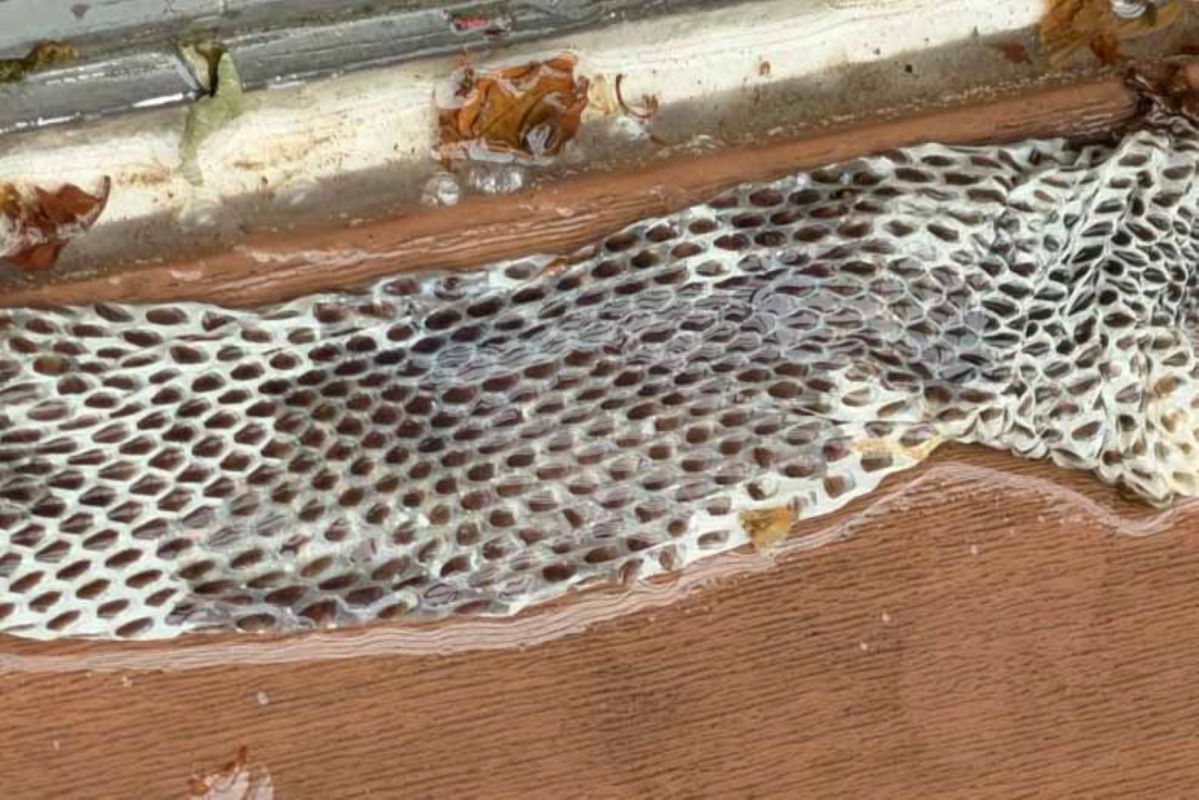
A shed snake skin left on a balcony was enough to spark anxiety and a surge of Reddit attention.
The Reddit post in r/snakes showed several photos of a massive snake skin on the original poster's balcony. "Found a snake skin on my balcony just want to know if i should be worried or not," OP wrote.
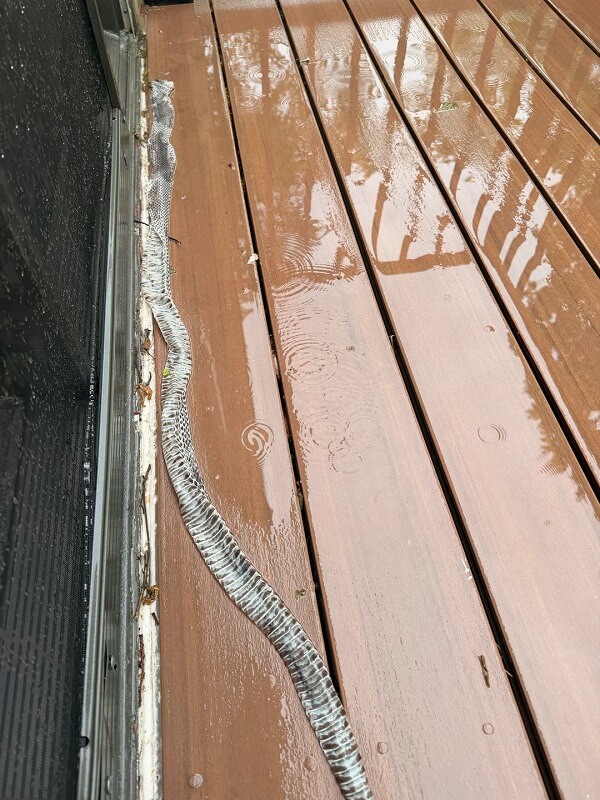
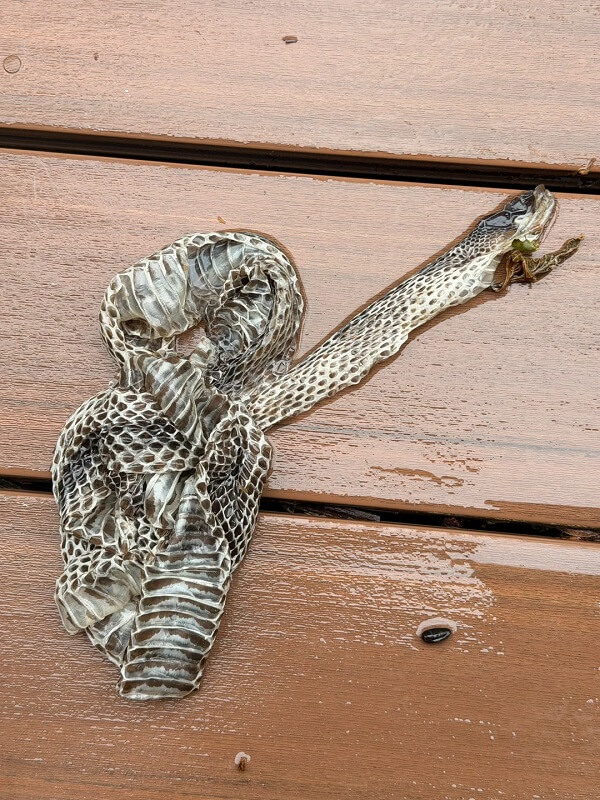
"You probably don't need to be concerned, free pest control," one person commented.
Another wrote, "Eastern rat snake. Keep him around!"
Snakes shed as they grow, and the empty skin can remain in place long after the animal is gone. A balcony, walkway, planter, or stairwell can offer warmth, cover, or an easy route through a human-built space.
Human development increasingly overlaps with wildlife habitat. As more homes and apartments expand into natural areas, or create sheltered pockets with landscaping, stored items, and warm surfaces, animals that once stayed farther from people can end up just outside the door.
TCD Picks » Quince Spotlight
💡These best-sellers from Quince deliver affordable, sustainable luxury for all




For many people, finding a snake skin at home is unsettling, even if the animal itself is nowhere in sight. The discovery can trigger fears about safety, pets, or the possibility that a snake is hiding nearby.
In many cases, a snake's presence is not a sign of aggression or infestation. More often, it's just a wild animal moving through a fragmented habitat and making use of features people have built into the environment.
Fear can lead to unnecessary attempts to kill or remove snakes that are simply passing by, even though they often help control rodents and other pests.
People want to feel safe where they live. Clear, calm identification and practical advice can help prevent panic while reducing harm to wildlife.
TCD Picks » Quince Spotlight
💡These best-sellers from Quince deliver affordable, sustainable luxury for all
A skin alone does not confirm that a snake is currently living in your space.
If you're curious or concerned, you can photograph the skin and ask a local wildlife group, extension office, or an online identification community for help. If you keep finding fresh sheds in the same enclosed area, or if you regularly see a snake entering your home, it may be worth contacting a local wildlife professional or property manager.
You can also make your immediate area less attractive as a hiding spot by reducing clutter, sealing gaps, and keeping balconies or patios tidy. Those steps won't remove wildlife from the broader landscape, but they can lower the chances of surprise encounters in the places you use every day.
Landscaping with intention, preserving habitat where possible, and learning which local species are harmless can help people respond more thoughtfully when wildlife turns up close to home.

Get TCD's free newsletters for easy tips, smart advice, and a chance to earn $5,000 toward home upgrades. To see more stories like this one, change your Google preferences here.