


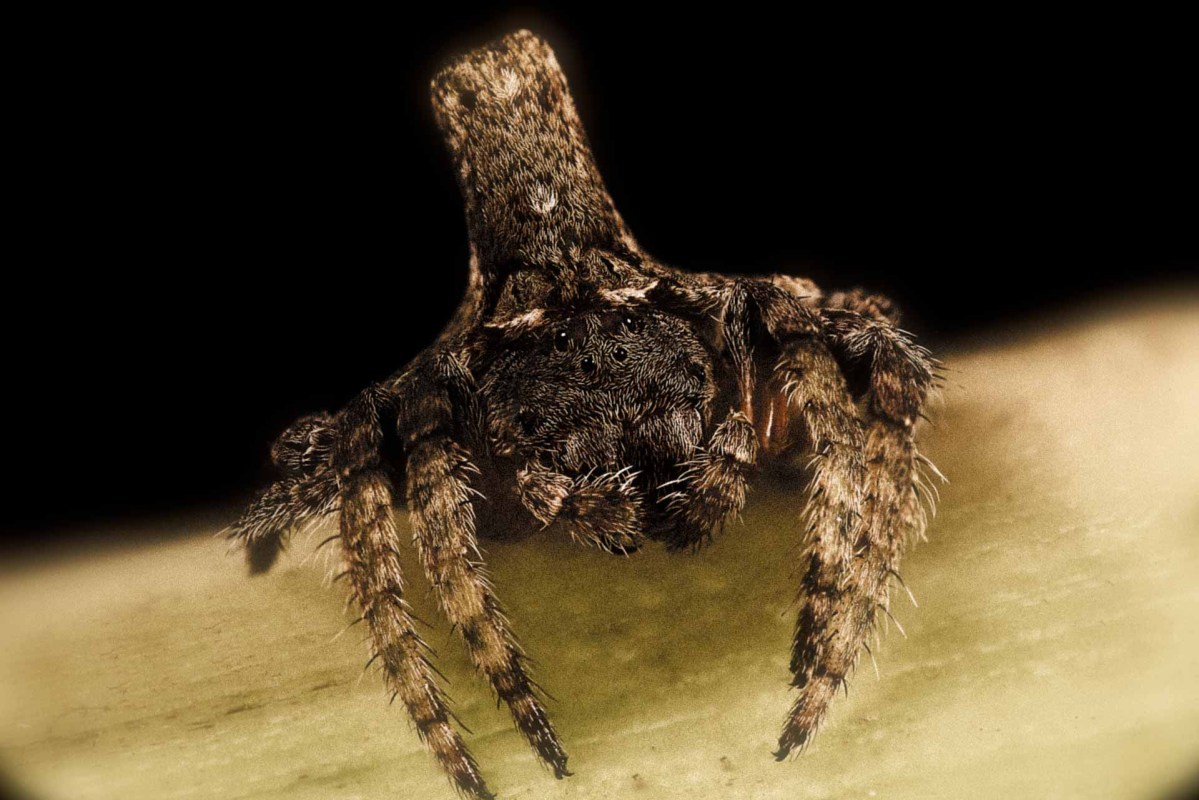
A striking photo making the rounds on Reddit is giving people a fresh appreciation for one of Australia's most unusual native arachnids: the wrap-around spider, which can almost disappear by flattening itself against a branch.
In the image, the spider's body and coloring blend so seamlessly with the bark that it looks less like an animal and more like part of the tree itself.
At first glance, the branch appears completely empty. But on closer inspection, the spider emerges from the bark pattern, its body following the curve of the wood so perfectly that it's hard to believe it's there at all.
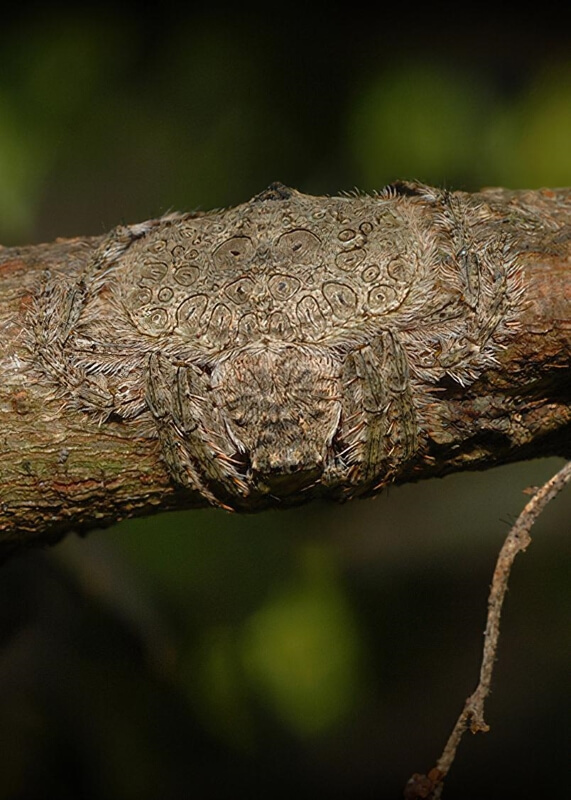
The post shows Australia's wrap-around spider, a species known for an extreme camouflage strategy. Instead of hiding behind leaves or retreating into a web, it presses itself against twigs and slim branches with a flattened body, matching the wood so closely that it becomes nearly impossible to spot.
That camouflage helps the spider stay hidden from animals that might eat it, while also allowing it to go unnoticed by prey. Wild animals often hide in plain sight, even in places people may pass every day without noticing.
Some native species are highly specialized and dependent on the habitats around them. A spider that evolved to vanish into bark relies on healthy trees, branches, and natural textures that make this adaptation effective.
TCD Picks » Quince Spotlight
💡These best-sellers from Quince deliver affordable, sustainable luxury for all




As development expands, old trees are removed, and wooded areas are simplified, species that depend on bark, hollows, and native vegetation can lose the very features that help keep them safe.
The growing overlap between humans and wild animals is also changing how these encounters happen. More people are documenting creatures in gardens, parks, and shared landscapes, which can increase appreciation for biodiversity and show how much habitat has been reshaped by human activity.
Biodiversity protection isn't just about big, charismatic animals. Tiny species play important roles in ecosystems, too, including helping regulate insect populations.
Native trees and shrubs can support local wildlife that depends on them for shelter and camouflage.
Removing all deadwood, stripping bark, or heavily pruning every branch may make a yard look neat, but it can also reduce habitat for insects, spiders, birds, and other small animals.
Photos can document unusual wildlife without disturbing it.
A better understanding of local native species is often linked to stronger support for habitat protection in local communities.

Get TCD's free newsletters for easy tips, smart advice, and a chance to earn $5,000 toward home upgrades. To see more stories like this one, change your Google preferences here.







