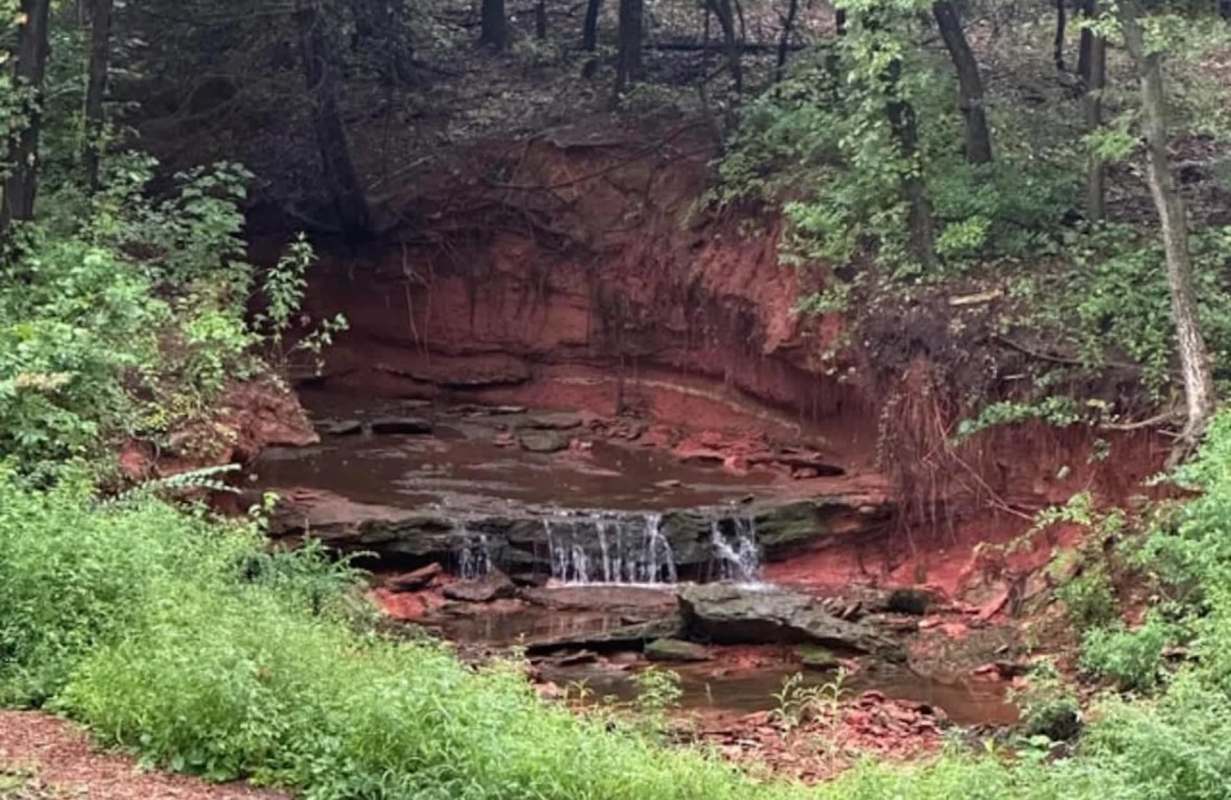
A student hoping to finally explore a snake-filled pond on their campus turned to the internet with a gnawing question earlier this year: Would a winter storm make the area safe enough to investigate?
In a Reddit post in the r/snakes forum, the student described a "super cool little forest cove" on campus with a water hole surrounded by rocks. They said they had avoided exploring it more closely after seeing snakes "all throughout the rocks" during warmer weather, describing it as a "snake-infested" pond.
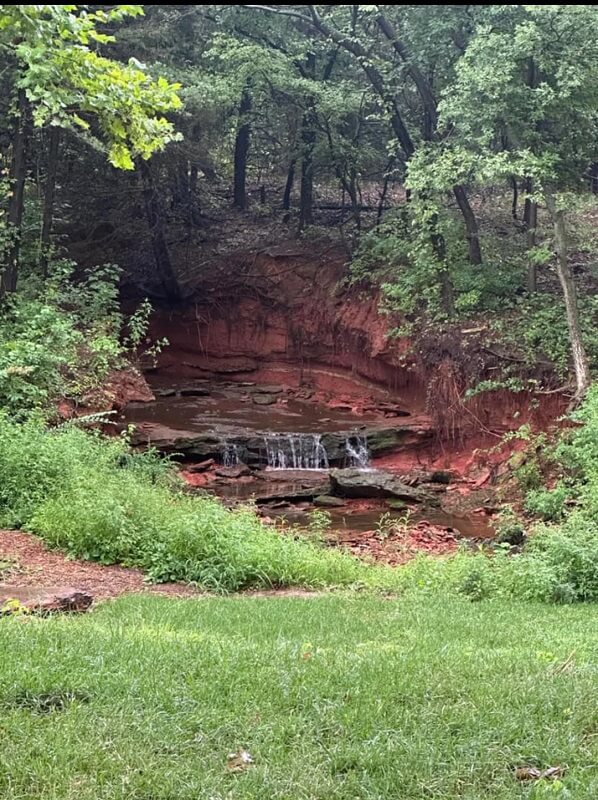
With snow on the way and temperatures expected to drop into the single digits back in January, the student wondered whether the severe cold would make it safe enough to climb around the rocks. They clarified that they did not plan to swim, only to explore the area on foot.
"I thought I'd check with the experts," they said. "Can I safely fulfill my dreams of exploring this cove while it's frozen? Or will I never overcome the mighty noodle guardians?"
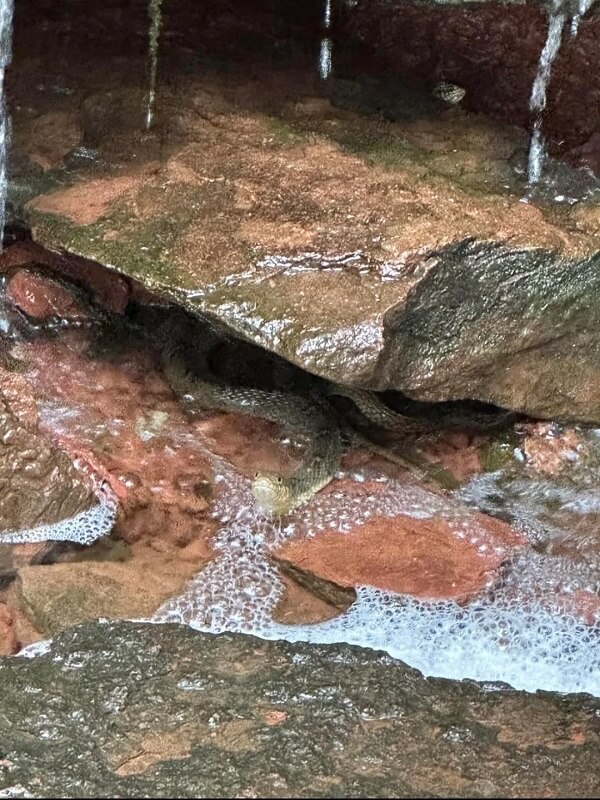
Responders said the snake in the photo appeared to be a common watersnake, Nerodia sipedon, a non-venomous species.
One commenter explained, "They are very common across a lot of the U.S. and totally harmless. You can explore this creek year round. They will flee when you get close. I've caught hundreds of them during snake survey work. They will probably bite you if you pick them up but they're not venomous."
TCD Picks » Good Store Spotlight
Get 10% off your next purchase with code TCD10



Other commenters pointed out a flaw in the original poster's language, noting that the waters are not necessarily "snake-infested," but rather the snakes' natural habitat.
"It's not 'infested,' that's their home," said one user.
"How can wildlife habitat be 'Snake infested'? Is your house human infested?" another joked.
The OP responded, saying, "Okay yeah you guys are right about calling it infested and I'm sorry — I was sleepy and couldn't think of a better word for 'full of snakes.'"
TCD Picks » Quince Spotlight
💡These best-sellers from Quince deliver affordable, sustainable luxury for all




People and wildlife increasingly share the same spaces, including campuses, parks, stormwater ponds, and wooded pockets within developed areas. A quiet cove on school grounds may also provide an ideal habitat for snakes.
Human-built spaces often sit alongside rocky shorelines, wetlands, and brushy cover, so students, hikers, and pet owners can find themselves close to animals already living there. Also, winter does not always mean wildlife is gone. Animals may simply be hidden, and protected crevices can serve as winter shelter.
The safest approach in a rocky or wooded area during cold weather is to stick to open, visible surfaces and avoid putting hands where they cannot be seen. Deep rock crevices, log piles, and gaps under roots can all serve as winter shelter for animals. Ultimately, a photo taken from a respectful distance is usually better than trying to confirm what is hiding in a crack.
On campuses and other shared outdoor spaces, signs about native species, habitat-sensitive trail design, and reminders not to disturb rock piles can help reduce stressful encounters for animals.

Get TCD's free newsletters for easy tips, smart advice, and a chance to earn $5,000 toward home upgrades. To see more stories like this one, change your Google preferences here.