


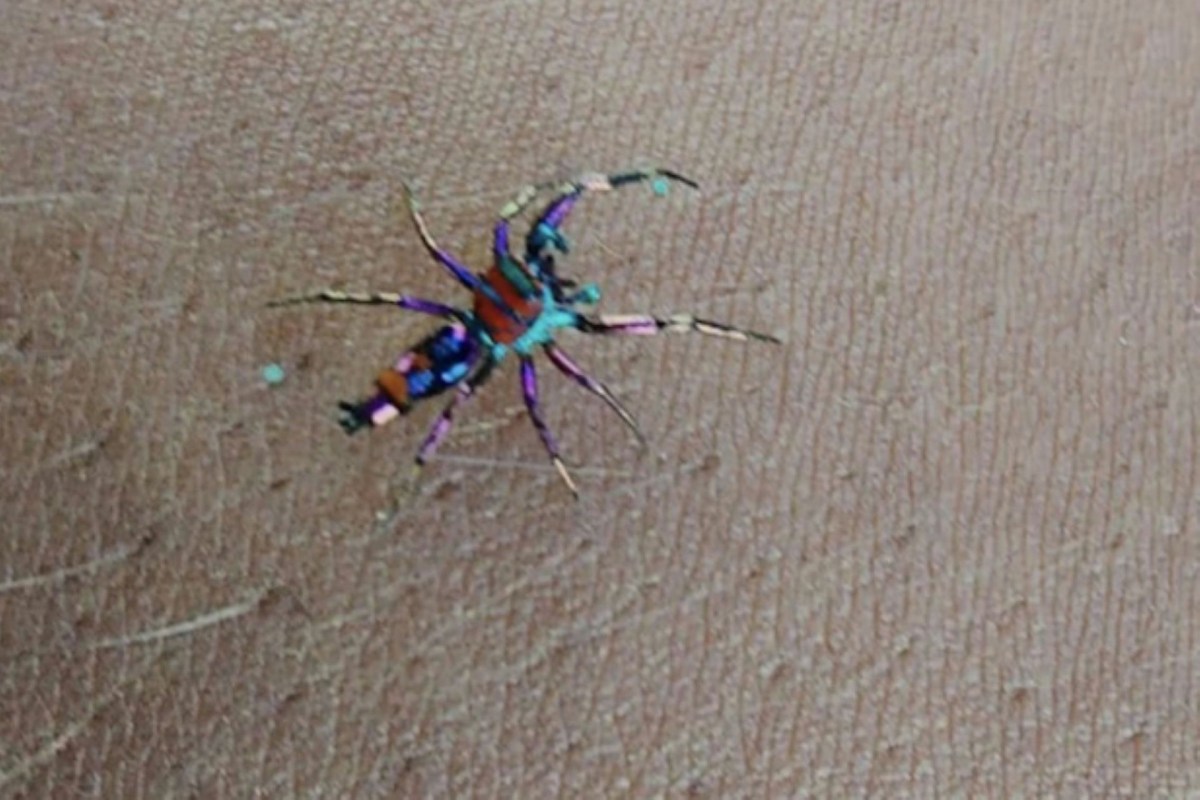
A photo of a jumping spider perched on a Redditor's arm has become a full-on internet mystery, with users arguing over whether the tiny arachnid is genuinely rare, a just a very convincing look-alike, or a fake image.
In the post, the original poster shared a friend's photo of a jumping spider on the OP's arm and asked the community whether it might be a supposedly rare species, and when it had last been documented.
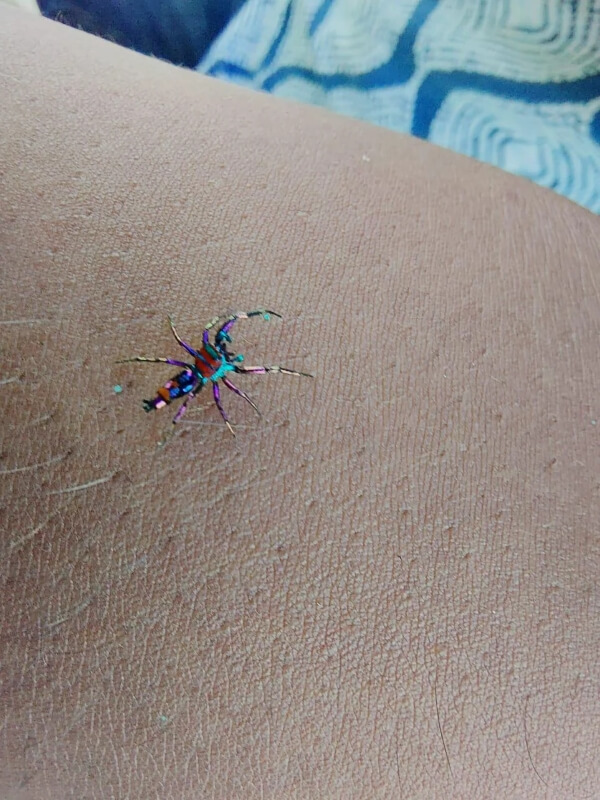
What began as a simple ID request quickly snowballed. Commenters threw out a number of possibilities, including Chrysilla volupe, jewel jumping spider, and peacock jumping spider. The thread became a mix of excitement, skepticism, and amateur detective work.
More people are encountering wild animals in spaces shaped by people, from backyards and gardens to sidewalks and porches. Habitat disruption, development, and shifting weather patterns can all increase overlap between people and small creatures such as spiders.
Not every unusual sighting means a species is newly arriving or on the verge of disappearing. Sometimes people are simply paying closer attention — and sharing what they see. In other cases, sightings can help flag changing ranges or habitat pressures.
Jumping spiders help control insect populations and generally pose little risk to people. More accurate identification makes them less likely to be killed out of fear.
TCD Picks » Quince Spotlight
💡These best-sellers from Quince deliver affordable, sustainable luxury for all




Clear photos and notes on where and when an animal was seen are more useful than guessing, and can help online communities, local experts, or citizen-science platforms make a more reliable identification.
Giving wildlife space is usually the safer choice for both animals and people. Reducing pesticide use and planting native vegetation can make a yard friendlier to beneficial species, including spiders and pollinators.
Local natural history museums, extension offices, and arachnid-focused groups can provide more reliable identification than consensus in the comments section.

Get TCD's free newsletters for easy tips, smart advice, and a chance to earn $5,000 toward home upgrades. To see more stories like this one, change your Google preferences here.






