


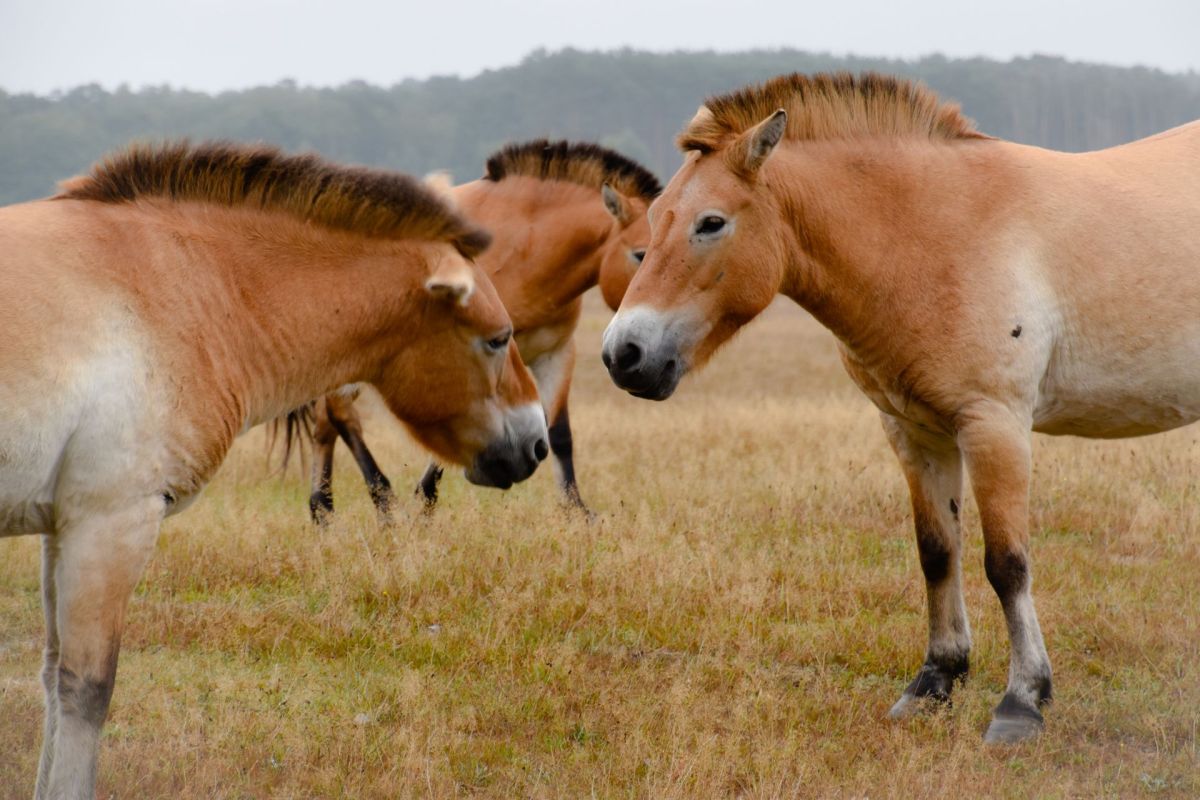
From wild horses in Mongolia to rhinos in India and coral reefs in Southeast Asia, community-based initiatives are helping species recover against long odds, as highlighted in a recent roundup by Global Voices.
A 2019 IPBES report found that more than 1 million species are threatened with extinction, largely because of habitat destruction, pollution, overhunting, and rising global temperatures.
Still, several communities are showing that decline is not always permanent.
In Mongolia, Przewalski's horses had disappeared from the wild by the late 1960s. But breeding and reintroduction efforts helped lift the country's takhi population above 1,000 by 2026.
In Nepal, Bengal tiger numbers climbed from 121 in 2010 to 355 by 2022.
And in Russia's Far East, camera traps recorded 129 adult Amur leopards plus at least 14 cubs in 2024, while Amur tiger counts topped 750 in the 2021-2022 census.
TCD Picks » Quince Spotlight
💡These best-sellers from Quince deliver affordable, sustainable luxury for all




In Nepal, Indigenous women are helping protect pangolins while supporting ecotourism.
In India's Kaziranga National Park, the women-led Van Durgas patrol against poaching and helped both animals and residents during major floods in 2024.
The Global Voices roundup also pointed to marine conservation gains.
In Indonesia, coral gardening projects are helping restore damaged reefs, while in Venezuela, consumer campaigns are urging people to stop eating juvenile shark meat, known as cazón.
When species disappear, ecosystems become less stable, food chains weaken, and communities that depend on forests, fisheries, and tourism become more vulnerable.
Southeast Asia's reefs support vast numbers of coral and fish species, protect livelihoods, and store carbon. Yet between 88% and 95% of reefs in the region are considered at extreme risk of bleaching, according to the World Resources Institute.
Healthier ecosystems can mean safer neighborhoods, stronger local economies, and greater resilience in a warming world.
Many of the most effective efforts combine science, policy, and local leadership.
Mongolia's horse recovery relied on decades of breeding work and protected habitat. Russia's big-cat recovery has depended on camera traps, ranger teams, compensation for livestock losses, and practical education for people living near predators.
In South Asia, governments and nonprofits are increasingly working directly with communities instead of treating them as bystanders. In Kathmandu, an ecotourism trail focused on pangolins is managed by the Indigenous Tamang community. In Assam, female forest guards are protecting rhinos in some of the park's most difficult terrain.
Underwater, researchers and divers are trying to rebuild reefs through coral gardening, 3D-printed bases, selective breeding, and marine sanctuaries that limit fishing and development.

Get TCD's free newsletters for easy tips, smart advice, and a chance to earn $5,000 toward home upgrades. To see more stories like this one, change your Google preferences here.







