


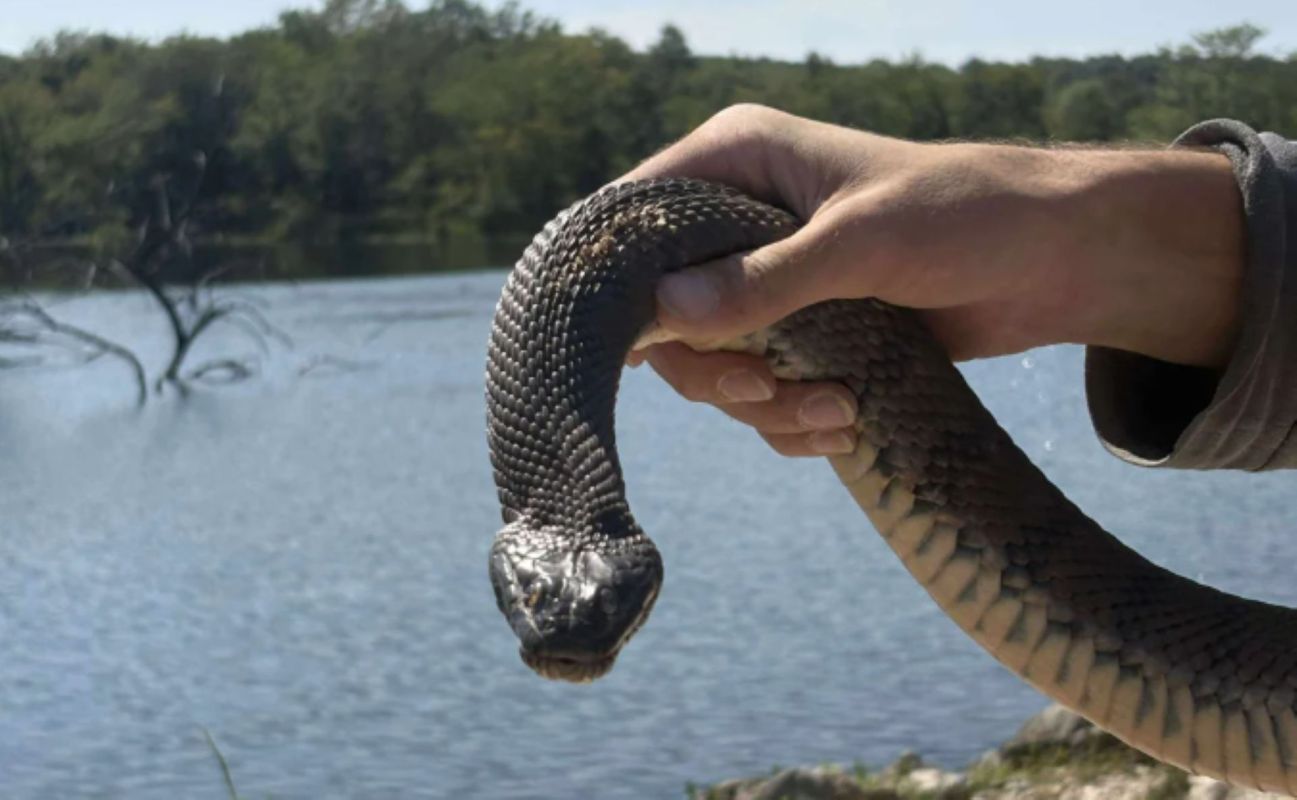
A close call with a large snake on lake jetties is drawing attention online after a Reddit user described how it nearly bit them.
Commenters warned that water snakes often get confused with venomous cottonmouths. They were also pointing out that handling any unidentified snake is a dangerous choice.
What happened?
In a post on Reddit's r/snakes forum, one user said they caught "this big northern water snake from some jetties on a lake."
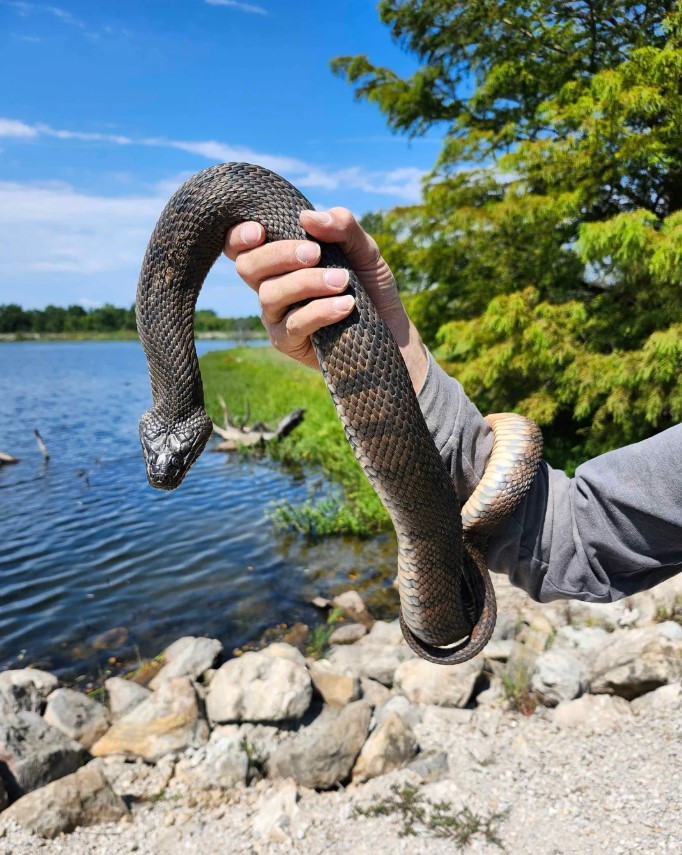
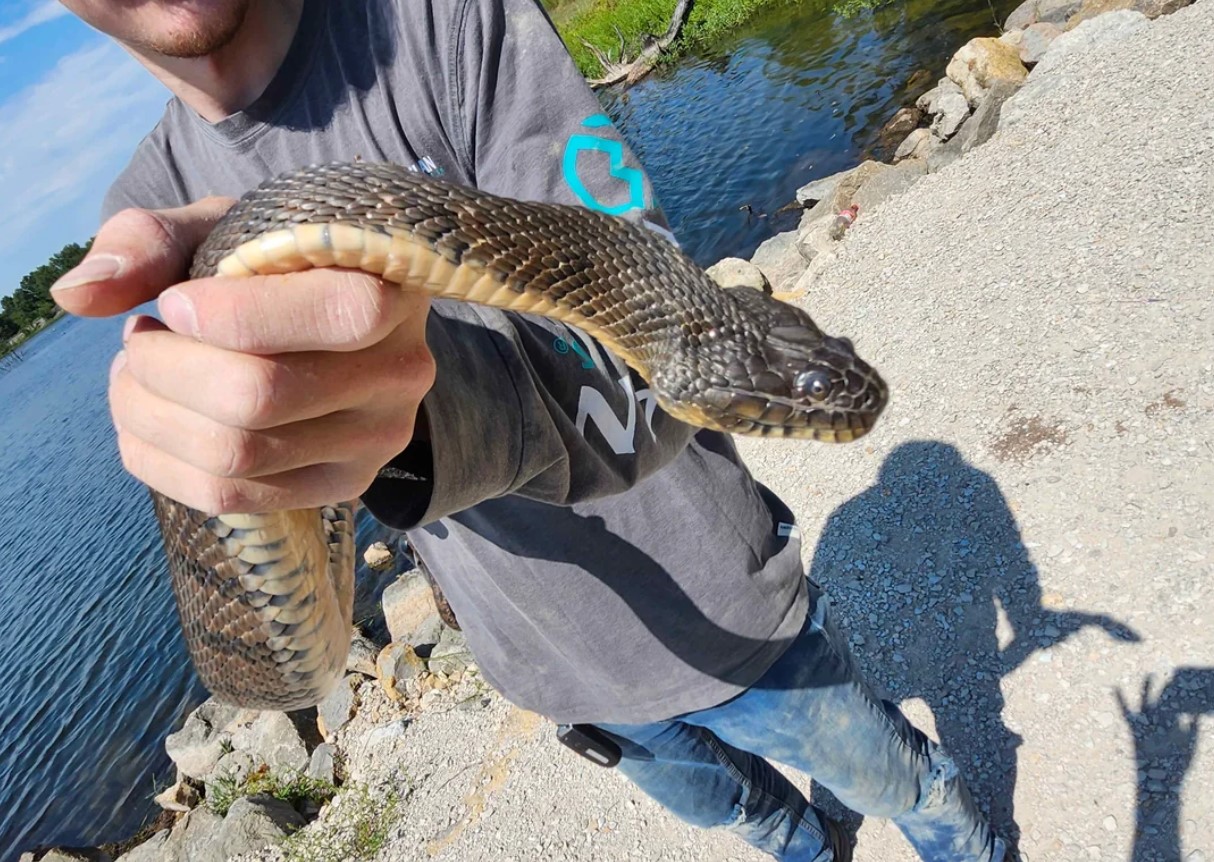
The Redditor said the snake was not easy to control: "She was surprisingly strong, and she got close to tagging me a few times but she eventually calmed down."
In the comments, many users identified the animal as a northern water snake, with one pinning it as a diamondback watersnake, and weighing in on how to handle defensive snakes near the water.
"'LOOK AT MEEEE, I'M VENOMOUSSSSSSSSSS' is what she is saying," one commenter joked. "Like we don't all know it's a lie."
TCD Picks » Quince Spotlight
💡These best-sellers from Quince deliver affordable, sustainable luxury for all




Several mentioned how water snakes "musk" to emit foul smells to deter threats while thrashing and trying to bite. Others simply laughed at the look on the snake's face.
"The derpiest thick noodle I have ever seen," one said. "I always think water snakes look a bit surprised to be here."
Said another: "I thought she looks pretty cool until I saw it zoom in. … She's still cool but the aura has changed."
Jetties and other human-made shoreline structures, such as docks, rocks, marinas, and lake edges, often create the kind of habitat where snakes and people are more likely to cross paths.
Why does it matter?
Even when a snake is nonvenomous, a defensive bite is still something most people want to avoid. And because northern water snakes are often mistaken for cottonmouths, a misidentification can quickly make an encounter more dangerous.
That confusion can also put the animals at risk. Harmless native snakes are often killed out of fear when people assume they are venomous, especially in busy recreational areas.
Human activity plays a major role in these encounters. Shoreline development, fishing spots, jetties, and other built-up lake access points bring both wildlife and visitors into the same spaces. In many cases, the snake is simply trying to defend itself after being cornered or grabbed.
What can I do?
Do not pick up a snake unless you can identify it with complete confidence. If you see one near a lake, dock, or jetty, give it space and allow it to move away on its own.
If children or pets are nearby, keep them back and avoid blocking the snake's escape route. Taking a photo from a safe distance is a much better idea than trying to handle it.
If a snake is in a high-traffic area or somewhere it could be harmed, local animal control or a wildlife rehabilitator may be able to help. Learning which species are common in your area before heading outside can also reduce the risk of a dangerous misidentification.
Giving wildlife more room can help lower the chances of conflict. A couple of guides have covered how native landscaping can support healthier ecosystems and how working with nature at home can make shared spaces safer for people and animals.
For the user who shared the post, though, the encounter was still unforgettable. They said it was the "coolest snake I've ever found in the wild."

Get TCD's free newsletters for easy tips, smart advice, and a chance to earn $5,000 toward home upgrades. To see more stories like this one, change your Google preferences here.







