


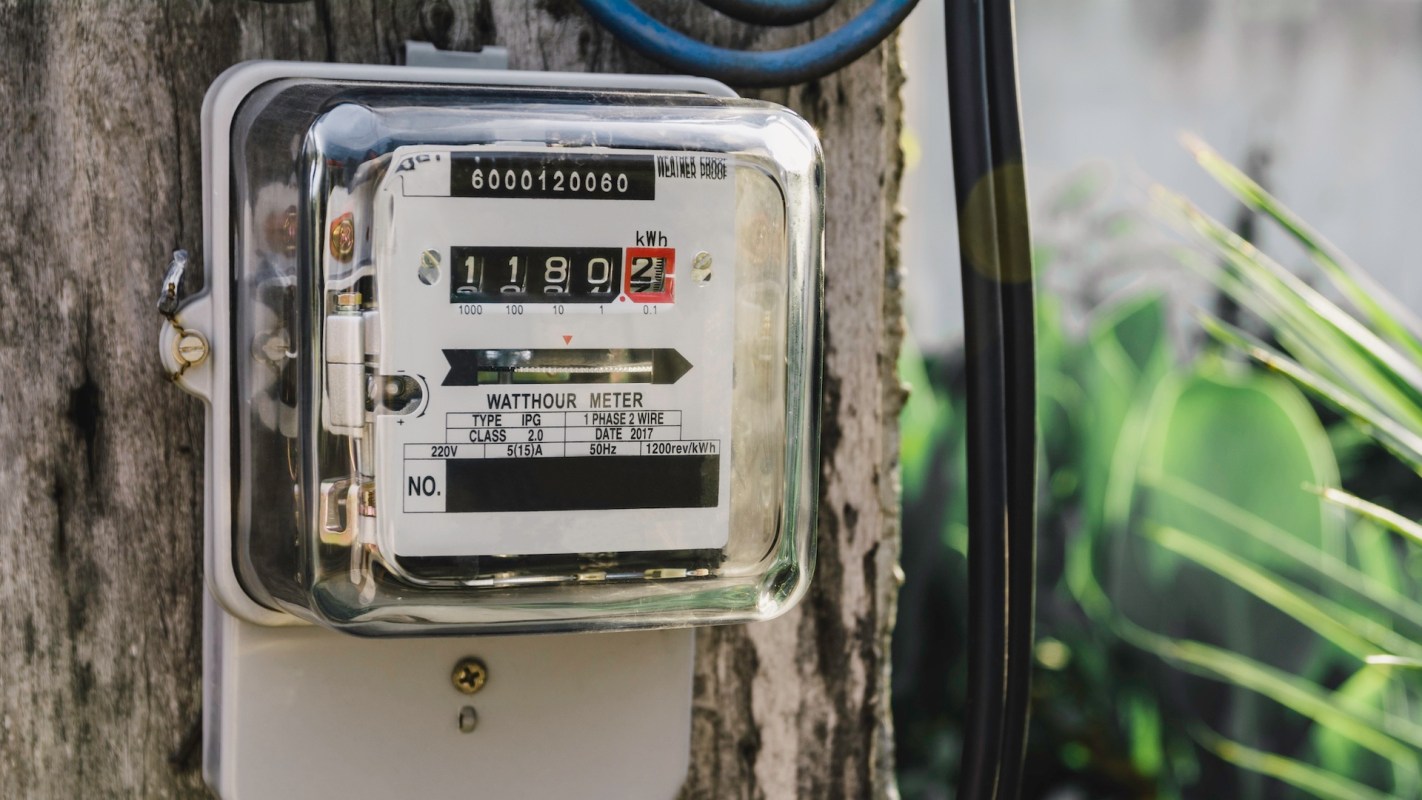
Bowling Green, Ohio, is preparing to phase out a long-disputed fee charged to rooftop solar customers, even as electric bills for everyone in the city are expected to rise.
The move could give households with solar panels a much clearer financial path forward, while city officials try to manage growing utility costs without hitting residents with a single large rate hike all at once.
What happened?
Bowling Green's Board of Public Utilities recently heard the results of an electric cost-of-service and rate study from Sawvel & Associates, and it included a major proposed change for local rooftop solar users.
BG Independent News reported that the study calls for cutting the monthly solar "facilities charge" by 50% in 2026 and eliminating it in 2027.
For residential customers, the fee would fall from $4 per kilowatt to $2 per kilowatt this year and then disappear next year. The report also recommends increasing the amount the city pays solar customers for excess electricity they send back to the grid, from 7.5 cents per kilowatt-hour to 9.5 cents per kilowatt-hour.
At the same time, the city is still planning a series of electricity rate increases over the next several years.
TCD Picks » Quince Spotlight
💡These best-sellers from Quince deliver affordable, sustainable luxury for all




BG Independent News reported that consultant Trey Shepherd said Bowling Green's electricity system needs around $74 million in revenue this year, while current rates would bring in about $61 million. Rather than imposing an immediate increase of about 20%, the study recommends phasing in hikes of 7% in the first year, followed by 5%, 4%, and 4% in later years.
Why does it matter?
For residents with rooftop solar, the change reshapes the math of owning a home energy system. Eliminating monthly fees while paying more for excess electricity fed back into the grid makes solar a more attractive option as utility costs climb.
The change also reflects a shift in the city's view of distributed clean energy. For years, officials defended the fee by arguing that solar users still needed to pay their share of the system's maintenance costs. Now, the new study says those fixed costs could instead be folded into broader billing charges for all customers.
Bowling Green's projected 2027 power mix is still expected to be 51% coal and 44% renewable resources.
Customers without solar are still expected to see bills rise. City officials said the gradual approach is intended to protect reliability and avoid a much more painful one-year shock.
What's being done?
The city's plan centers on changing how it collects fixed utility costs. As the monthly customer charge increases, officials expect that revenue to align more closely with the actual cost of serving homes and businesses, replacing the need for a separate rooftop solar fee.
BG Independent News reported that the study also recommends borrowing $6.9 million to help ease the transition and meet debt obligations for the next two years. That would give Bowling Green more room as it deals with higher energy prices, transmission costs, substation transformer replacements, and other infrastructure needs.
Residents are also facing water and sewer rate increases, though city officials said those are tied to a separate income-tax funding change and do not affect the electric budget.
BG Independent News reported that the typical residential customer pays about $93 per month for electricity right now. After the first increase, that would rise to around $100 — still below the typical Toledo Edison bill of roughly $111.
"Thank you for listening," rooftop solar customer Joe DeMare told the board, per BG Independent News.

Get TCD's free newsletters for easy tips, smart advice, and a chance to earn $5,000 toward home upgrades. To see more stories like this one, change your Google preferences here.






