


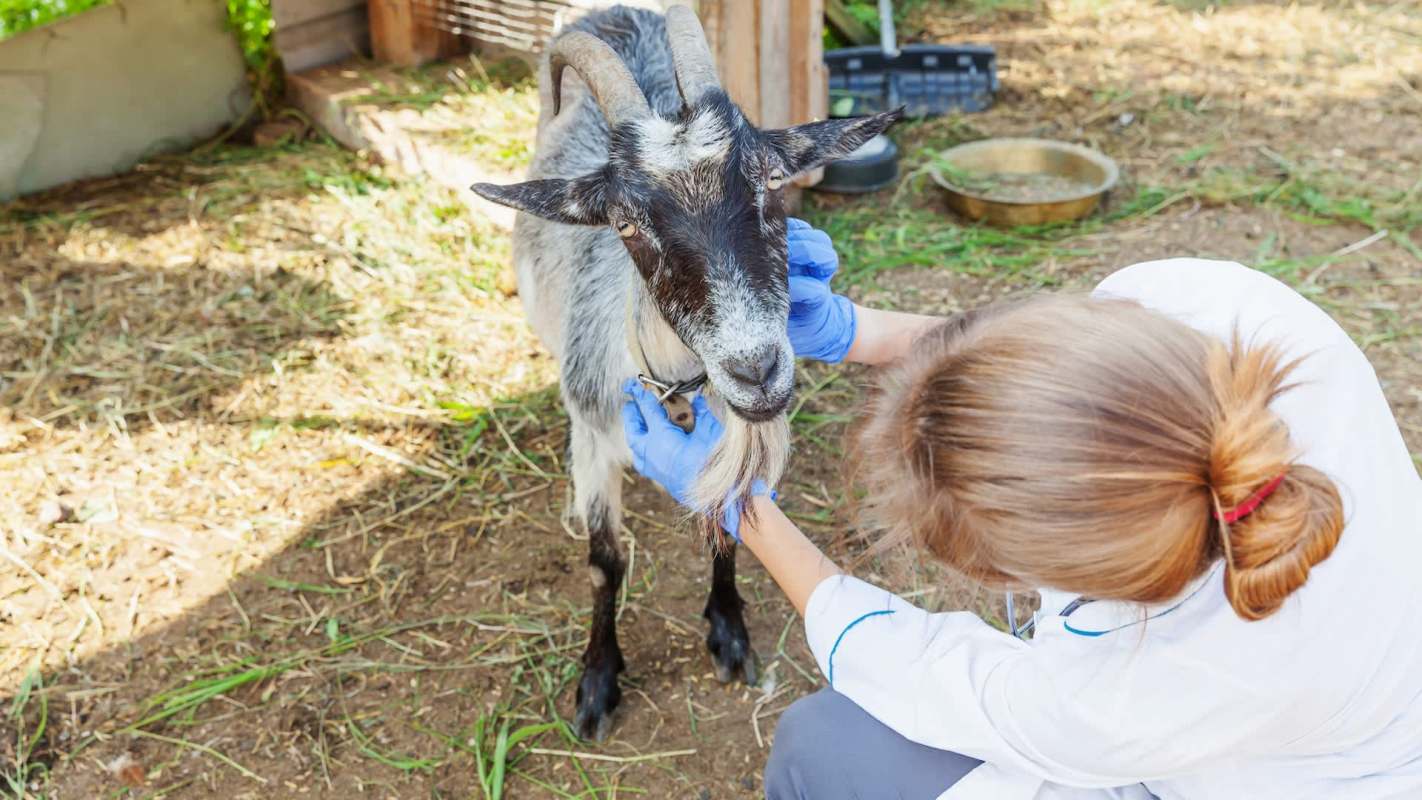
A recent graduate of Washington State University's College of Veterinary Medicine says the school's large-animal training program relied on "terminal labs" each spring — a practice that ended the lives of healthy goats and horses.
The allegation is drawing fresh scrutiny to how veterinary schools train future surgeons and whether animals that could recover, be treated, or be adopted are instead being used in ways critics call outdated and lacking in transparency.
What happened?
Capital Press reported that Larrea Cottingham said the school's third-year large-animal surgery elective involved euthanizing as many as 60 goats and eight horses each spring semester. Terminal labs involve surgical practice on healthy animals followed by euthanasia rather than recovery.
Cottingham said she spent over a year raising concerns internally and pressing for both curriculum changes and greater transparency for students. She said one classmate did not learn until midway through the course that horses would be euthanized, prompting her to ask administrators to update the syllabus. She said that information was later added.
In March, WSU canceled the horse portion of the course after email campaigns from Our Honor and People for the Ethical Treatment of Animals. The university said the decision came amid "a high volume of threatening and hostile communications" and that the horse portion was already scheduled to end after the spring semester, per Capital Press.
Why does it matter?
At the center of the controversy are healthy horses and goats. Cottingham said the horses may not have needed to die. She noted students were told the horses came from a USDA research program wherein euthanasia was unavoidable but that after months of questions she came to believe there was no policy requiring it unless the animals posed a public health or safety risk.
TCD Picks » Quince Spotlight
💡These best-sellers from Quince deliver affordable, sustainable luxury for all




Cottingham said the issue is not just animal welfare but also trust and informed consent. She told Capital Press students should know from the outset if a course involves ending an animal's life, especially in a profession centered on care, recovery, and pain management.
The debate is also playing out as many rural communities face a shortage of large-animal veterinarians. Cottingham argued that using healthy animals in terminal labs overlooks an opportunity to train students by treating animals that actually need care — an approach she said could better serve both veterinary students and underserved communities.
What's being done?
Cottingham told Capital Press student advocacy did lead to some changes. She said that after she raised animal welfare concerns, the course and Institutional Animal Care and Use Committee protocol were changed so horses underwent all procedures during one anesthetic event instead of multiple surgeries over several weeks.
She also pointed to alternatives already in place at WSU. The school's small-animal junior surgery course uses a simulation center and partnerships with local shelters and rescues, and fourth-year students complete a shelter rotation. Cottingham said students can also gain additional experience through elective professional opportunities without relying on terminal procedures.
More broadly, she believes veterinary schools should expand service-based training in surrounding communities, giving students supervised, hands-on experience while helping animals in need.
"My goals have always been to improve WSU's surgical training program so that more students are adequately trained in surgery, can provide care to a wide range of species, and never have to choose between their education and their conscience," Cottingham said. "... That is not a responsible use of resources, and it is not preparing students for the realities of rural practice."

Get TCD's free newsletters for easy tips, smart advice, and a chance to earn $5,000 toward home upgrades. To see more stories like this one, change your Google preferences here.







