


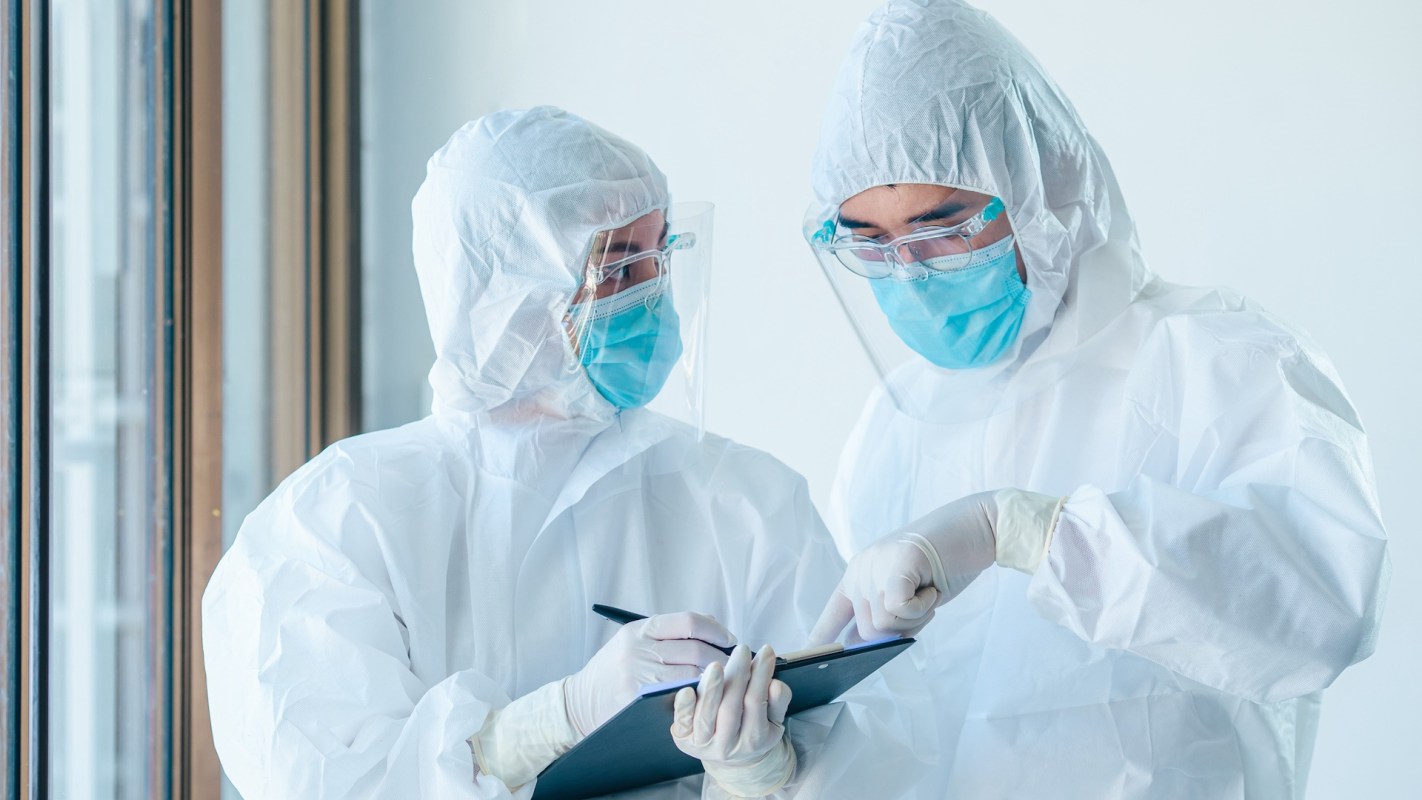
Public health experts have warned that the United States may be heading into another disease threat period with a weaker safety net than it had before.
The Centers for Disease Control and Prevention is monitoring 41 Americans for hantavirus following a cruise-ship outbreak off West Africa, Roll Call reported.
At the same time, one American tested positive for Ebola, and six others had high-risk exposure linked to an outbreak in the Democratic Republic of the Congo that was believed to have killed 223 people as of May 25.
The immediate risk of diseases like hantavirus and Ebola to most Americans remains low.
However, public health advocates and Democratic lawmakers have said that the nation's disease-response system is less stable than it should be, "raising concerns that the country's public health apparatus is leaderless, underfunded, and unprepared if hantavirus or Ebola spreads further," according to Roll Call.
Josh Michaud, associate director for global public health policy at KFF, said, per the outlet, "There might be misconnections or missed opportunities for information sharing, which can add up to delays [in] response or understanding what's happening on the ground."
TCD Picks » Quince Spotlight
💡These best-sellers from Quince deliver affordable, sustainable luxury for all




The concerns reportedly center on major changes since Donald Trump began his second term as president, including significant cuts at the CDC, the absence of a permanent CDC director, and the U.S. withdrawal from the World Health Organization. Some estimates put CDC staffing down 25% to 33%.
Outbreak response depends heavily on speed, coordination, and trust. When agencies lose staff, leadership, or international ties, even low-risk situations can become harder to track and manage.
Public health systems help hospitals prepare, guide local officials, monitor travelers, communicate risks, and make sure people get clear advice when conditions change. If that system becomes fragmented, delays can spread outward.
The issue appears to be as political as it is medical, and Republicans have largely expressed confidence, according to Roll Call. Rep. Buddy Carter of Georgia believes the nation is better prepared than it was before COVID-19 because officials have absorbed hard lessons, while House Energy and Commerce Chair Brett Guthrie said he has faith in the response underway.
Polling from KFF also found a sharp partisan divide in trust in the Trump administration's health information: about two-thirds of Republicans and three-quarters of MAGA-supporting Republicans expressed trust, compared with roughly one-third or fewer of independents and Democrats.
On the other hand, some lawmakers are pressing for policy fixes. Sen. Tim Kaine said he would not be surprised if the outbreaks prompted another push to renew the Pandemic and All-Hazards Preparedness Act. The main authorization for the law lapsed in 2023, and the remaining provisions were extended only piecemeal.
Some of the expired authorities helped states and localities temporarily reassign personnel during emergencies. Without longer-term certainty, health agencies may struggle to plan for supply chain and biosecurity needs.
Other proposals focus on vulnerable groups. Sen. Elizabeth Warren and Rep. Lauren Underwood reintroduced legislation focused on maternal health during public health crises that would support CDC programs related to communication, services, and data collection.

Get TCD's free newsletters for easy tips, smart advice, and a chance to earn $5,000 toward home upgrades. To see more stories like this one, change your Google preferences here.






