


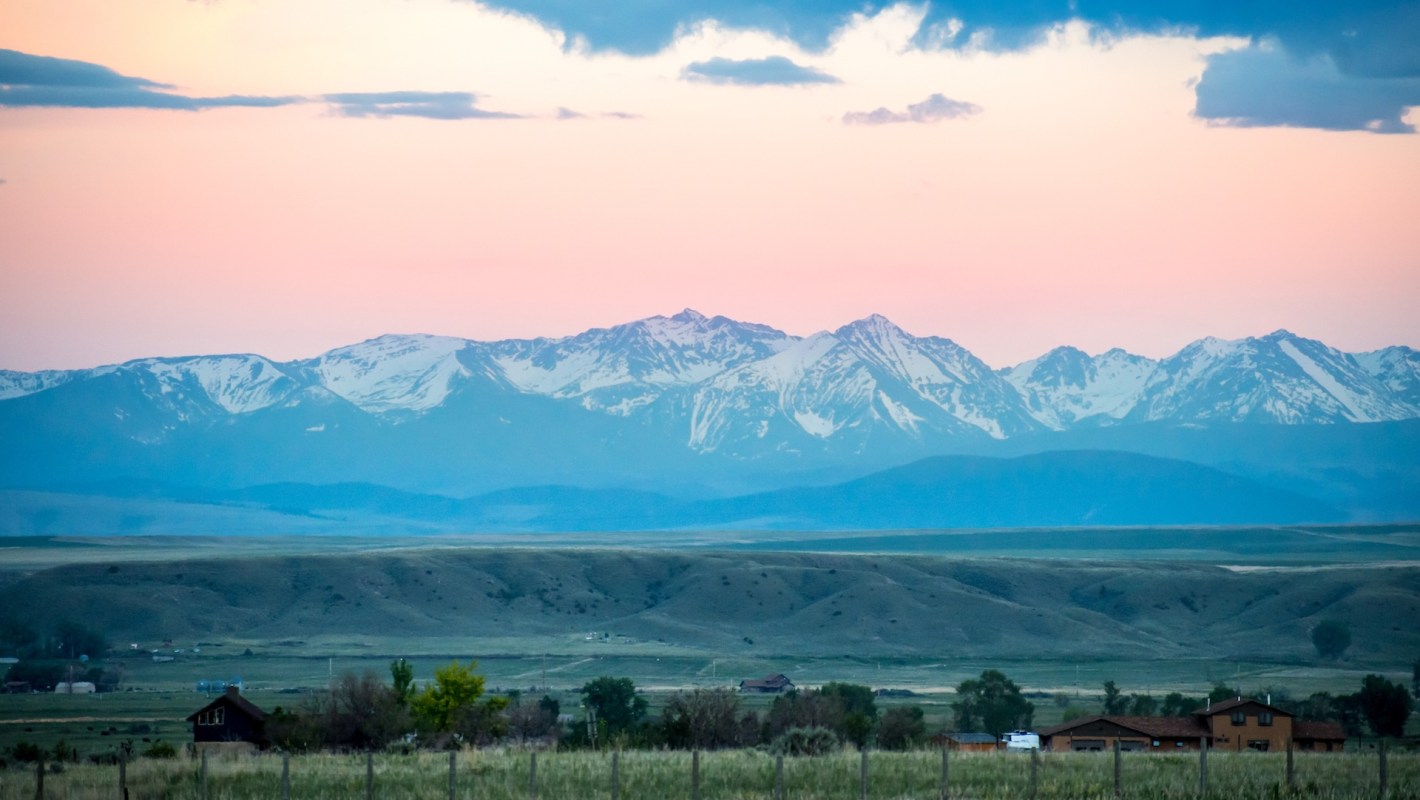
A stretch of land just outside Yellowstone National Park that was once considered a potential site for gold mining is now permanently protected public land.
As the Daily Montanan reported, the move protects habitat for grizzly bears and migration routes for elk, bighorn sheep, and mule deer, as well as one of the few places outside Yellowstone where bison can still roam freely.
A 161-acre parcel near Gardiner, Montana, is now part of the Custer-Gallatin National Forest through a partnership involving The Conservation Fund, the U.S. Forest Service, and the Greater Yellowstone Coalition.
The deal also covered 208 acres of mineral rights, helping ensure that the area, which includes part of Palmer Mountain and Crevice Mountain, is not reopened to future gold mining.
This latest step builds on earlier conservation work that began in 2023 when the Greater Yellowstone Coalition acquired mineral rights, leases, and claims on nearly 1,600 acres from the Crevice Mining Group. Even after that deal, mining could still have resurfaced because some land and mineral rights remained in private hands.
Now, the Forest Service has formally acquired the parcels for about $2 million through the Land and Water Conservation Fund, and the land will also be covered by the Yellowstone Gateway Protection Act that Congress passed in 2019.
TCD Picks » Quince Spotlight
💡These best-sellers from Quince deliver affordable, sustainable luxury for all




The protection also helps preserve a defining part of life in southwest Montana. Open public lands support recreation, tourism, and the outdoor identity that draws both residents and visitors to communities bordering Yellowstone.
Preventing mining can also help avoid the pollution and habitat fragmentation that often come with industrial extraction.
Protecting landscapes before they are developed is often one of the most effective ways to safeguard clean water, healthy ecosystems, and local economies.
"Protecting Yellowstone from the impacts of gold mining and securing new public land is a great outcome that benefits both iconic wildlife and local communities," Scott Christensen, executive director of the Greater Yellowstone Coalition, said.
Gary Sullivan, Montana senior advisor at The Conservation Fund, added: "We're honoring a way of life that defines Montana and ensuring future generations can experience the same wild, open spaces that make the place so special."

Get TCD's free newsletters for easy tips, smart advice, and a chance to earn $5,000 toward home upgrades. To see more stories like this one, change your Google preferences here.







