


Nearly two centuries after the Franklin Expedition vanished in the Canadian Arctic, researchers have finally put names to four sets of remains tied to the doomed voyage. The breakthrough makes one of history's most haunting exploration stories far more personal — a story about real people, families, and long-awaited answers.
In two new studies, archaeologist Doug Stenton and colleagues identified the remains of four men from Sir John Franklin's ill-fated 19th-century expedition, NPR reported. The mission left England in 1845 aboard HMS Erebus and HMS Terror in search of the Northwest Passage, but by 1848, more than 100 crew members were trapped in Arctic ice and running out of time.
Franklin's ships had been stocked with supplies for three winters, but the ice never broke. As conditions worsened and the prospect of a fourth winter loomed, the men abandoned the ships and tried to head south over land, dragging boats and supplies with them.
Stenton's team used tooth and bone samples from recovered remains and compared them with DNA from the crew's descendants. One of the newly identified sailors was John Bridgens, a steward on the Erebus.
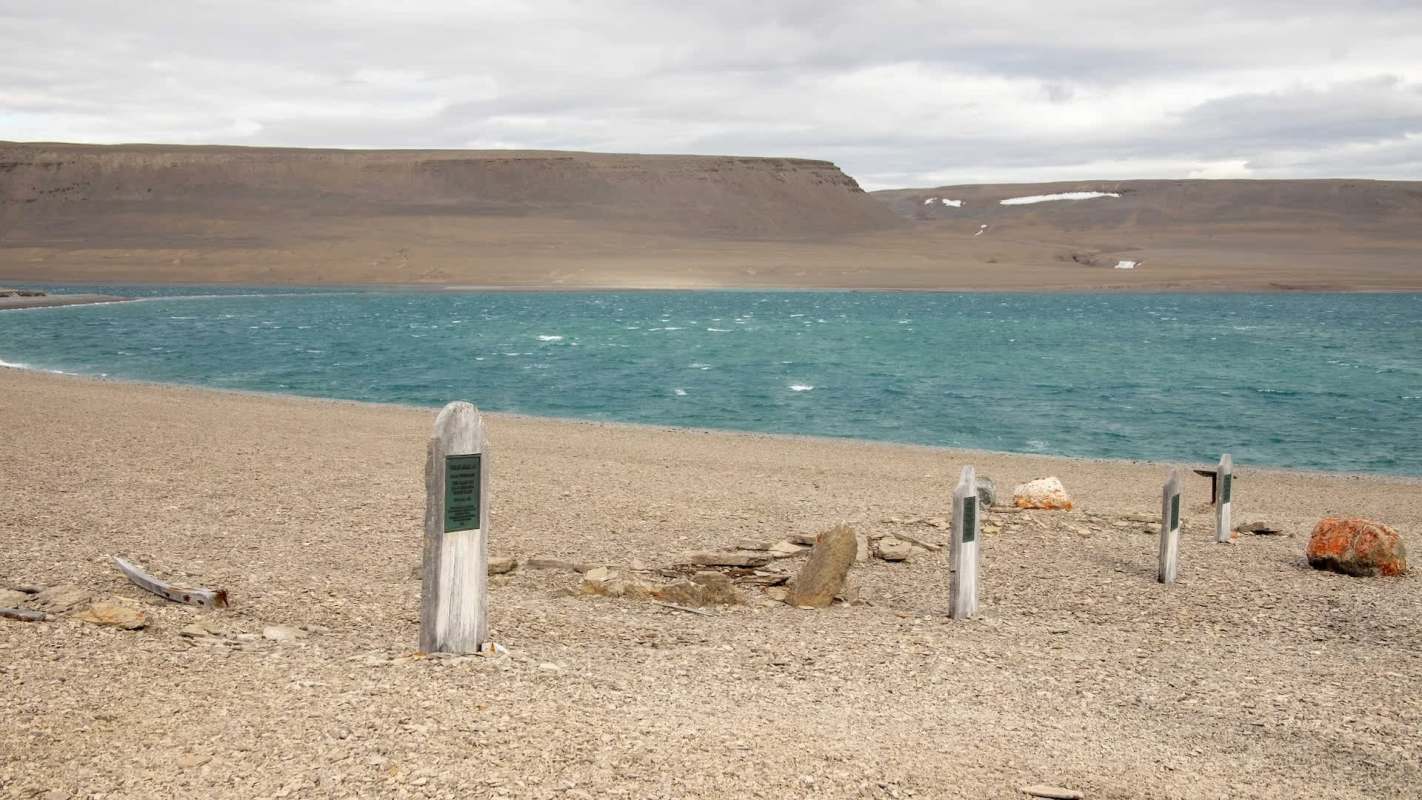
That identification was made possible in part by Rich Preston, described by NPR as a BBC presenter and a descendant through a half-sister of John Bridgens, who submitted a cheek swab for the research. NPR reported that Bridgens' remains were found beside one of the expedition's lifeboat wrecks, offering another clue to the crew's final movements.
Stenton told NPR there is a tendency to talk about the expedition in the abstract, through a "muster list or in description books," rather than through the lives of the people involved. DNA testing is helping connect present-day relatives with people who disappeared nearly 180 years ago.
TCD Picks » Quince Spotlight
💡These best-sellers from Quince deliver affordable, sustainable luxury for all




Researchers continue to piece together the Franklin story through a mix of archaeology, genetics, and historical records. Stenton said his team has collected DNA from dozens of descendants of expedition members, creating a stronger foundation for future identifications.
Each new match can also help show where crew members ended up, who may have traveled together, and how the crews of the two ships may have split apart after abandoning their vessels.
In Bridgens' case, the discovery raised still more questions. Stenton told NPR that Bridgens was recovered alongside another Erebus crew member near a place where the ship's captain had already been identified, prompting researchers to ask where the Terror crew was at that time or how the groups may have separated.

Get TCD's free newsletters for easy tips, smart advice, and a chance to earn $5,000 toward home upgrades. To see more stories like this one, change your Google preferences here.







