


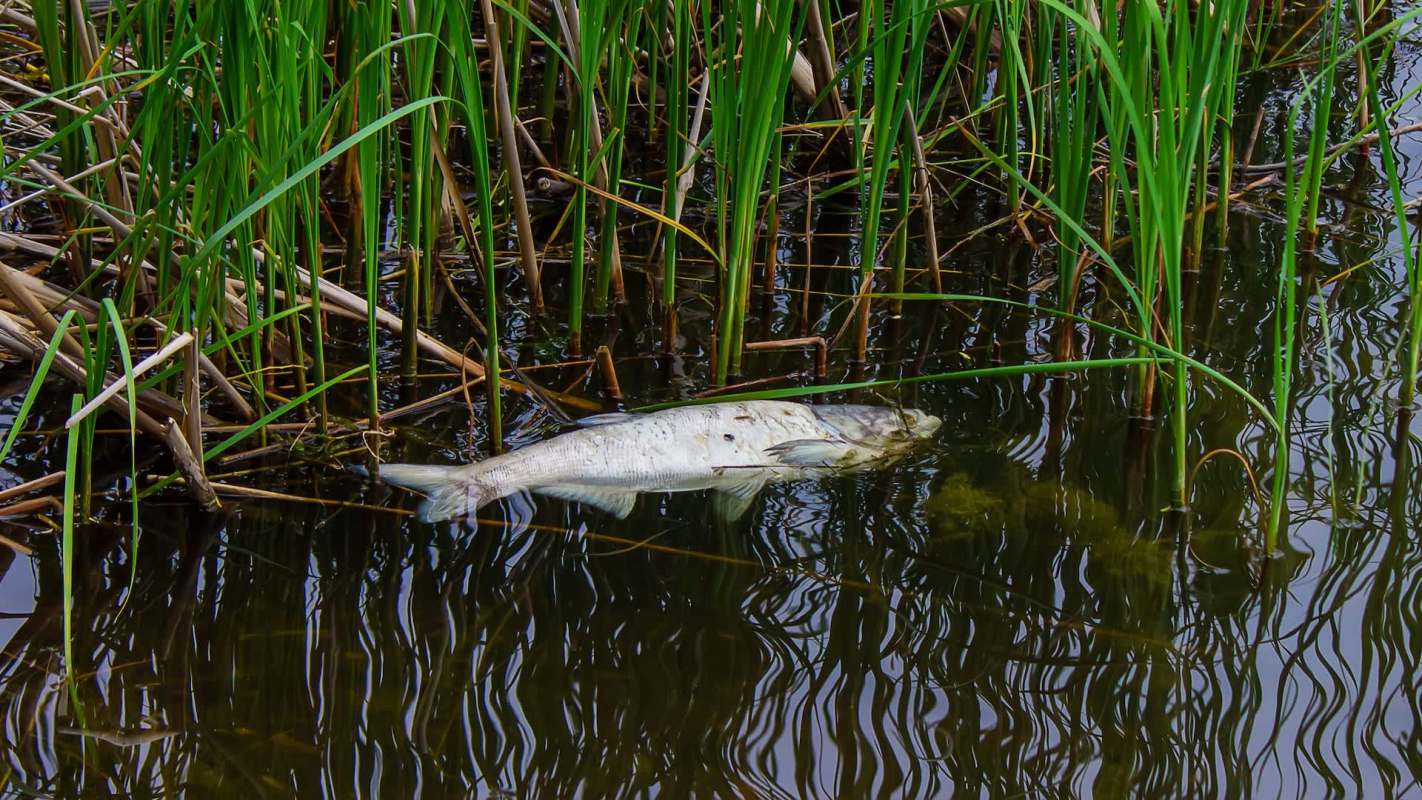
A troubling scene unfolded at Leverett Pond on the Brookline-Boston line, where dead fish washed up along the shoreline.
For locals who usually visit the area for quiet walks, birdwatching, and sketching wildlife, the sight has become a disturbing sign of heat and water stress in one of the region's green spaces.
According to CBS News, residents and regular visitors noticed large numbers of dead fish lining the edges of the pond, a popular urban nature spot near Boston.
"You don't see dead fish too often. The last time I did, it was in the talons of a bald eagle," nature walk guide Jeffrey Taylor said, per CBS News. "When they're just washed up like that, you don't know what killed them."
Taylor said the fish appeared to be invasive Asian carp, a species that has become a persistent problem in waterways across the United States.
Even so, he noted that these fish are generally well adapted to survive in low-oxygen water, making the die-off especially concerning.
TCD Picks » Quince Spotlight
💡These best-sellers from Quince deliver affordable, sustainable luxury for all




Another pond visitor, Meryl Blinder, said a likely explanation is a sharp temperature swing that reduced oxygen levels in the water.
Blinder told CBS News she saw park rangers removing fish and was told they believed the drastic temperature change had stripped the pond of oxygen.
A similar fish kill was recently reported in Worcester's University Park, where city officials also pointed to low water levels and rapid temperature changes as major factors.
When oxygen levels drop enough to kill a species known for tolerating stressful conditions, it suggests the waterbody may be under serious environmental pressure.
"We are not losing an important part of the environment by losing the carp," Taylor said. "It's just a sign that there's something going on here."
Fish die-offs can also point to a broader pattern tied to hotter weather, changing rainfall, and lower water levels.

Get TCD's free newsletters for easy tips, smart advice, and a chance to earn $5,000 toward home upgrades. To see more stories like this one, change your Google preferences here.







