


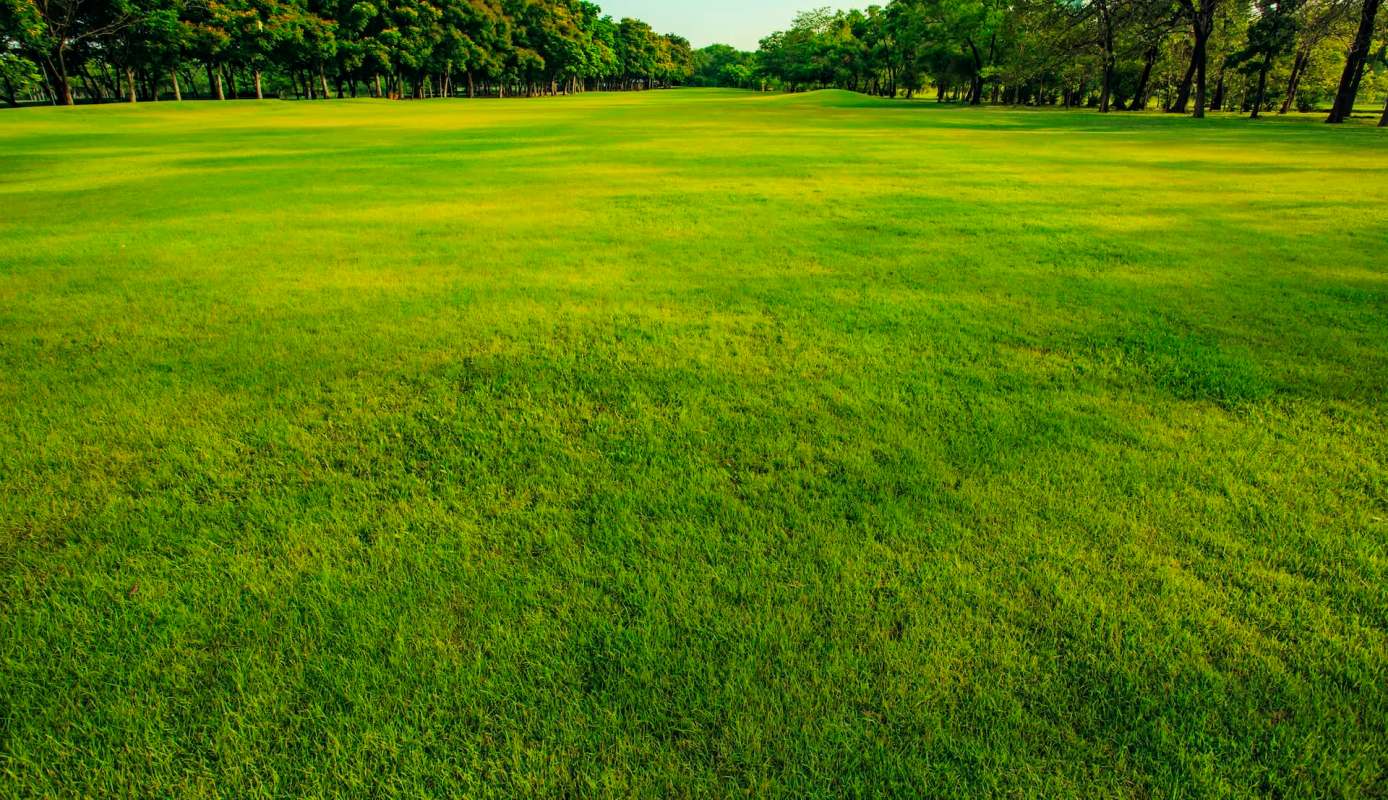
America's lawns cover more land than the entire state of Georgia, according to a 2005 NASA study, summarized by Grist.
Experts speaking to NPR's Life Kit program said that giving even a little of that turf back to nature could make a big difference for wildlife.
For homeowners, going against the trend could mean less mowing, less watering, and lower bills.
What's happening?
NPR affiliate WUNC reported on a growing movement to replace at least some grass lawns with native plant gardens. The idea is simple enough: Residents can swap some high-maintenance turf for plants that naturally belong in the region.
Master gardener Paula Diaz told NPR that if people converted even half of their lawn space to native plants, the effects would be enormous.
"It would be the biggest national park, if we refer to it that way," Diaz said.
TCD Picks » Quince Spotlight
💡These best-sellers from Quince deliver affordable, sustainable luxury for all




This idea, popularized by bug scientist Doug Tallamy, is that changing half of U.S. lawns into habitat could add tens of millions of acres for wildlife.
Birds and butterflies are declining in the United States, and habitat loss is one major reason. Native flowers, shrubs, and trees are part of local food webs, which makes them especially helpful for feeding pollinators and other animals.
There are practical benefits, too. Native landscaping can reduce the need for fertilizer, weed killers, and frequent mowing, while also lowering water use.
Monoculture lawns, by contrast, can demand a lot of upkeep. Maintaining large areas of turf often requires regular watering, chemical treatments, and gas-powered mowing, all of which contribute to water and air pollution.
While homeowners do not have to rip everything out at once, native plants support local insects, birds, and other animals in ways that conventional turf grass generally does not.
Diaz described learning that connection in a master gardener class as a "light-bulb moment," per NPR.
What can I do?
Experts told NPR that the best way to begin is to start small. Stacia Stelk, executive director of Deep Roots KC, said on the program that taking on too much at once can feel overwhelming, especially for first-time gardeners.
Homeowners can choose one manageable section of lawn and either dig out the grass or cover it with cardboard to block sunlight, letting the grass die off over a few weeks. From there, it helps to assess the space. Is it sunny or shady? Is the soil sandy or clay-heavy?
Those details can help guide better plant choices. Native plant groups and nonprofits in many regions offer plant lists and planning guides tailored to local conditions.
The result can be a tremendous payoff for homeowners, Diaz told NPR.
"Well, one of my neighbors — we were just talking, and she says, your yard is so full of life," Diaz shared on the program. "There's always a bird that's singing or frogs that are croaking."

Get TCD's free newsletters for easy tips, smart advice, and a chance to earn $5,000 toward home upgrades. To see more stories like this one, change your Google preferences here.






