


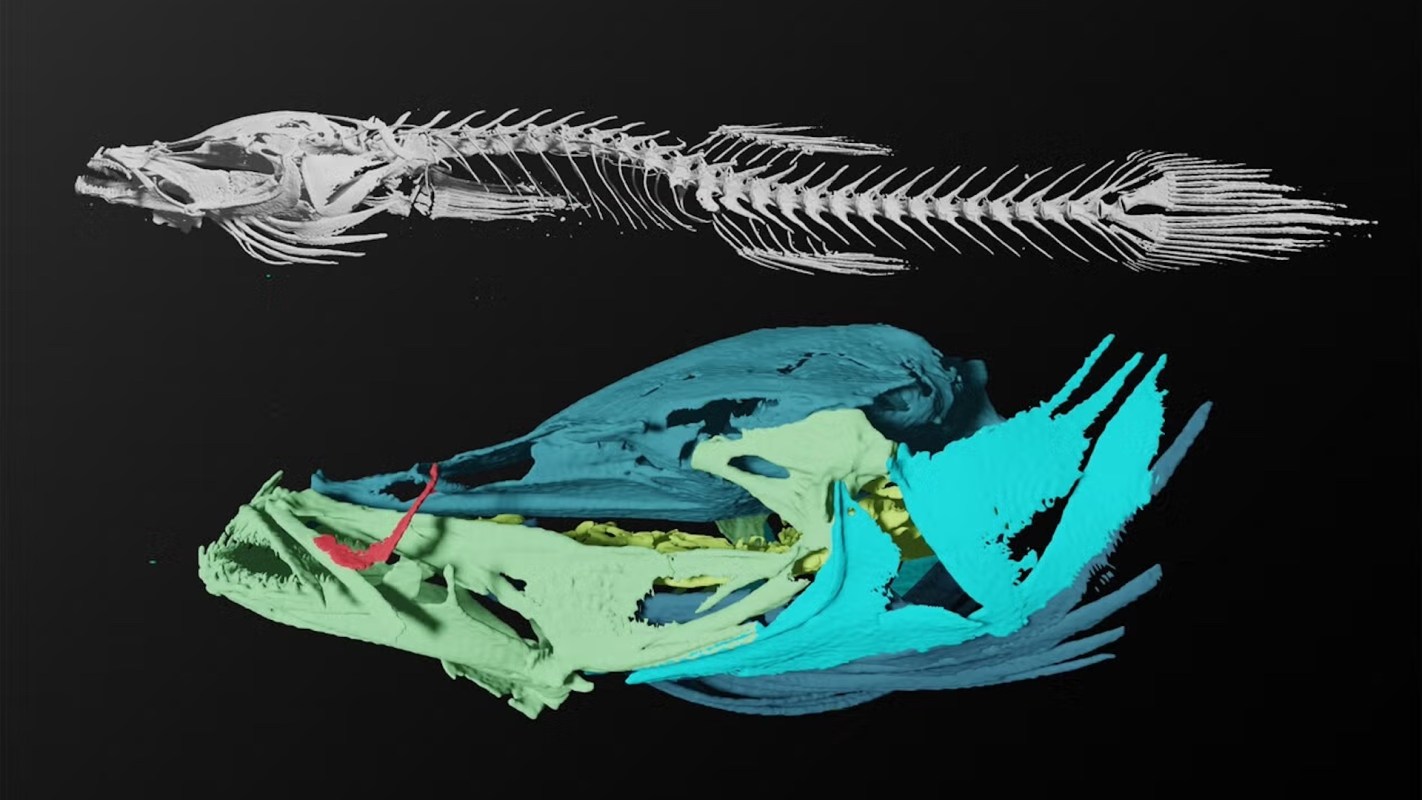
A newly identified Southern cavefish species is doing more than adding a new branch to the tree of life.
A Yale-led study, published in the journal Integrative Organismal Biology, challenges a long-standing idea in biology that caves are evolutionary dead ends, where highly specialized animals persist but stop producing new species.
Researchers described a new eyeless species of Southern cavefish that lives entirely underground in the southeastern United States, in the kind of dark, isolated habitat that has long fascinated biologists. Like other cave-adapted fish, it bears traits shaped by life in permanent darkness.
The findings, summarized by YaleNews, indicate that species formation can occur even among animals confined to subterranean habitats. The new findings suggest subterranean ecosystems may be far more dynamic than once believed.
Hidden waterways may still be generating biodiversity, even under extreme conditions with little light, little food, and little connection to the surface.
If underground habitats are still producing unique species, then caves are not just refuges for ancient life; they are also active engines of evolution that may deserve stronger protection.
TCD Picks » Quince Spotlight
💡These best-sellers from Quince deliver affordable, sustainable luxury for all




Cave systems are closely tied to groundwater, and groundwater supports drinking water supplies, agriculture, and local economies. When those systems are polluted or disrupted, both people and wildlife can feel the effects.
Species that live only in caves can also serve as indicators of ecosystem health. Because they are so specialized and sensitive, they may be among the first to suffer when water quality declines, areas are damaged, or nearby development alters underground flow.
Protecting lesser-known species can help preserve the natural systems communities rely on while expanding scientific understanding of how life adapts and survives in extreme places.
Researchers are getting better at identifying "cryptic" species, or animals that may look similar at first glance but are actually distinct. That kind of information can help conservation agencies make decisions about habitat protection, land use, and water management.
If a cavefish once thought to be one widespread species turns out to be several smaller, more vulnerable populations, the conservation stakes can shift quickly.
The discovery suggests the story of cave life is far from over. A fish that never sees daylight is offering a clearer view of evolution and of the hidden waters that sustain both rare species and human communities.

Get TCD's free newsletters for easy tips, smart advice, and a chance to earn $5,000 toward home upgrades. To see more stories like this one, change your Google preferences here.







