


Argentine authorities intercepted a shipment of more than 700 marine animals trafficked from Kenya, exposing the brutal conditions behind the exotic aquarium trade.
Conservationists say the bust was anything but random — and may point to a larger smuggling network moving wildlife through established international routes.
The Associated Press reported that the seizure took place on April 26 at Ezeiza International Airport near Buenos Aires in a coordinated operation involving Argentina's Environmental Control Brigade, customs officials, the agricultural health agency, the International Fund for Animal Welfare, and Fundación Temaikèn.
Authorities said the shipment contained 709 marine animals from 102 species, including surgeonfish, puffer fish, lionfish, butterflyfish, octopuses, crabs, and starfish, all commonly sought for home aquariums and exotic collections.
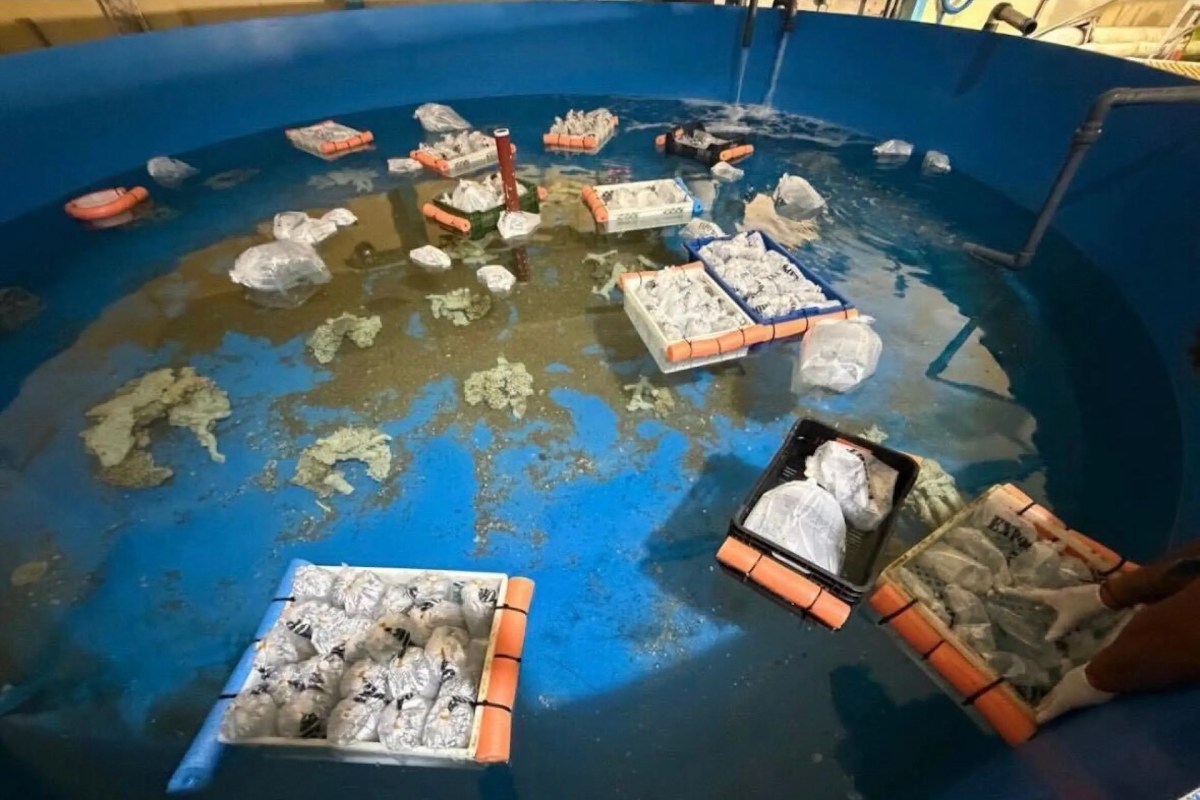
Many of the animals did not survive the journey. Conservationists said they had spent about 120 hours in transit from Kenya, packed individually in hundreds of plastic bags.
Survivors arrived in severe stress and shock.
TCD Picks » Quince Spotlight
💡These best-sellers from Quince deliver affordable, sustainable luxury for all




"This is an industrialized crime," said Christian Plowman of IFAW, per the AP. "Moving 709 animals comprising 102 species across international cargo routes, packed in bags for 120 hours of transit, is not something done casually. It requires coordination along every link of the chain."
He added that it was the third such seizure in a year at the same airport entry point, suggesting traffickers may be relying on a repeat corridor.
Wildlife trafficking affects people and communities as well as animals. When species are stripped from reef ecosystems, those natural systems can weaken.
There is also an animal welfare cost. These animals endured days in bags and boxes, and many died before reaching their destination.
Fundación Temaikèn, Argentina's only institution equipped to receive confiscated marine wildlife of this kind, had to quickly assemble an emergency response team at its Escobar facility.
Because the animals were packed separately, rescue teams performed drip acclimation individually to minimize shock from abrupt changes in temperature and salinity.
Specialists also created a triage system so the most fragile animals could be treated first while other teams identified species and sorted living specimens from dead ones.
Veterinarians and wildlife specialists spent more than 28 hours stabilizing the surviving animals.

Get TCD's free newsletters for easy tips, smart advice, and a chance to earn $5,000 toward home upgrades. To see more stories like this one, change your Google preferences here.







