


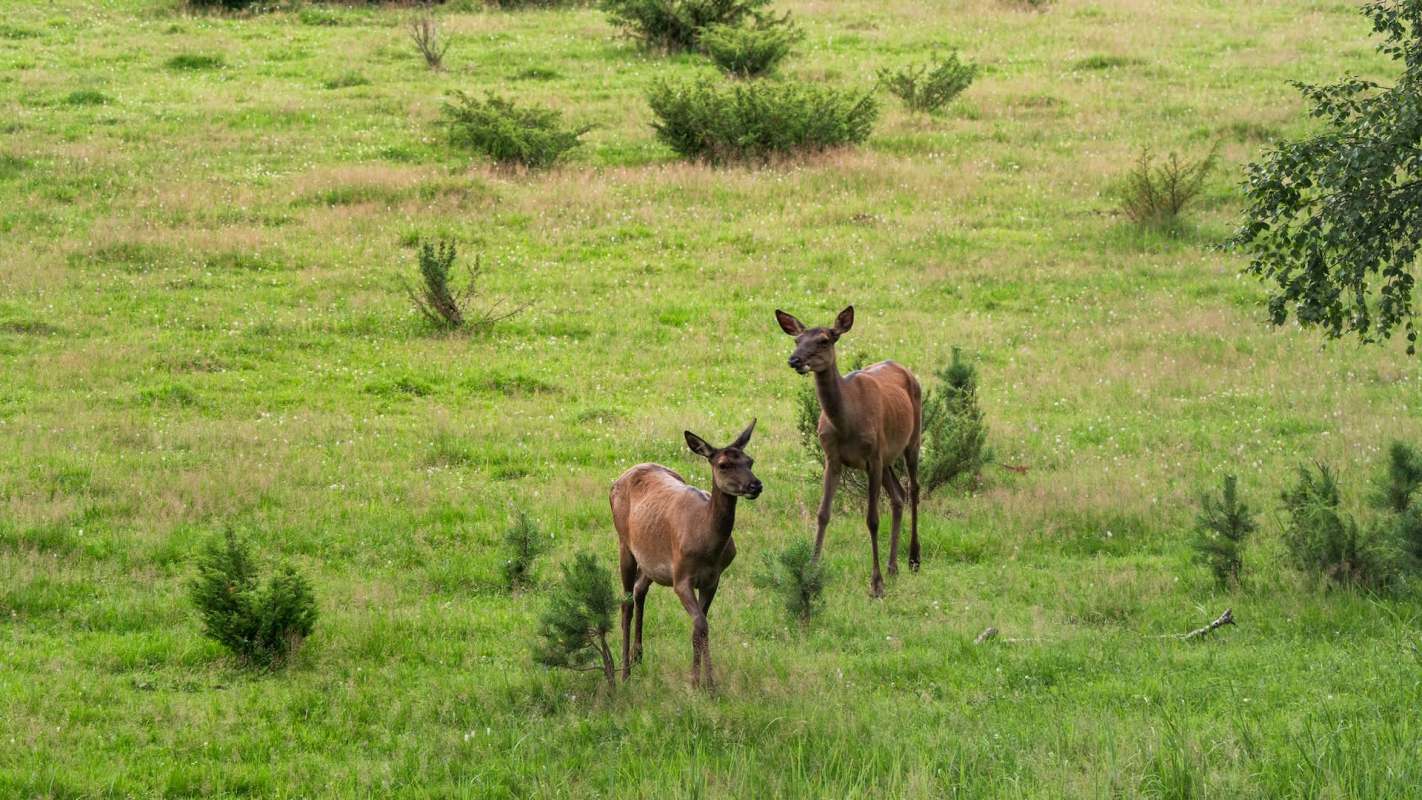
What if simply being nearby is enough to change how wild animals move through the world? A new study suggests it may be.
According to The New York Times, researchers found that during the COVID-19 slowdown, shifts in human presence, even without cutting down trees or building roads, changed how species used space across the United States.
The study, published in Science, combined cellphone location data with GPS records from more than 4,500 birds and mammals across 37 species in the United States.
The goal was to separate two forces that often overlap: physical changes to habitat and the mere presence of people.
The work grew out of the COVID-19 Bio-Logging Initiative, which has been examining the pandemic-era "anthropause," when lockdowns sharply reduced everyday human movement.
Scientists found that for about two-thirds of the species studied, human presence appeared to influence either the amount of area animals used or the range of habitats they occupied.
TCD Picks » Quince Spotlight
💡These best-sellers from Quince deliver affordable, sustainable luxury for all




The effects were not one-size-fits-all. Elk and mule deer ranged more widely when people disappeared, especially in rural and less-developed areas. Many species, including coyotes, moose, and wild turkeys, used smaller areas when human presence increased. Gray wolves appeared to do the opposite, possibly traveling farther to avoid people.
"The ravens in Yellowstone are behaving really differently than white-tailed deer on Staten Island," co-author Scott Yanco said, per The New York Times.
The findings add to a growing understanding that conservation is not just about protecting land from development.
Human activity can reshape wildlife behavior, even when the landscape remains physically unchanged.
The findings point to a challenge for cities, suburbs, and rural communities alike: coexistence is more complicated than simply drawing a line around "wild" places.
Animals in heavily developed areas may already be under constant pressure, while those in more pristine habitats may be especially sensitive to sudden increases in human presence.
Choices about access, recreation, and development can influence wildlife in ways that are easy to overlook.
The pandemic created a rare real-world experiment. Because buildings, roads, and neighborhoods stayed in place while many people stayed home, scientists were able to study the effects of human presence more directly than before.
That clearer picture could help conservation planners design smarter protections.
The researchers said even brief limits on human access to critical habitats during breeding or migration seasons could deliver meaningful benefits.
Rather than treating all places and all species the same, land managers may be able to tailor protections to the places where animals are most sensitive.
The researchers now want to determine whether these changes show animals successfully adapting — or struggling under pressure.
"We really can't understand the full picture without information on both of these factors," said co-author Ruth Oliver, per The New York Times. "There's the opportunity for coexistence in a smart, nuanced way."

Get TCD's free newsletters for easy tips, smart advice, and a chance to earn $5,000 toward home upgrades. To see more stories like this one, change your Google preferences here.







