


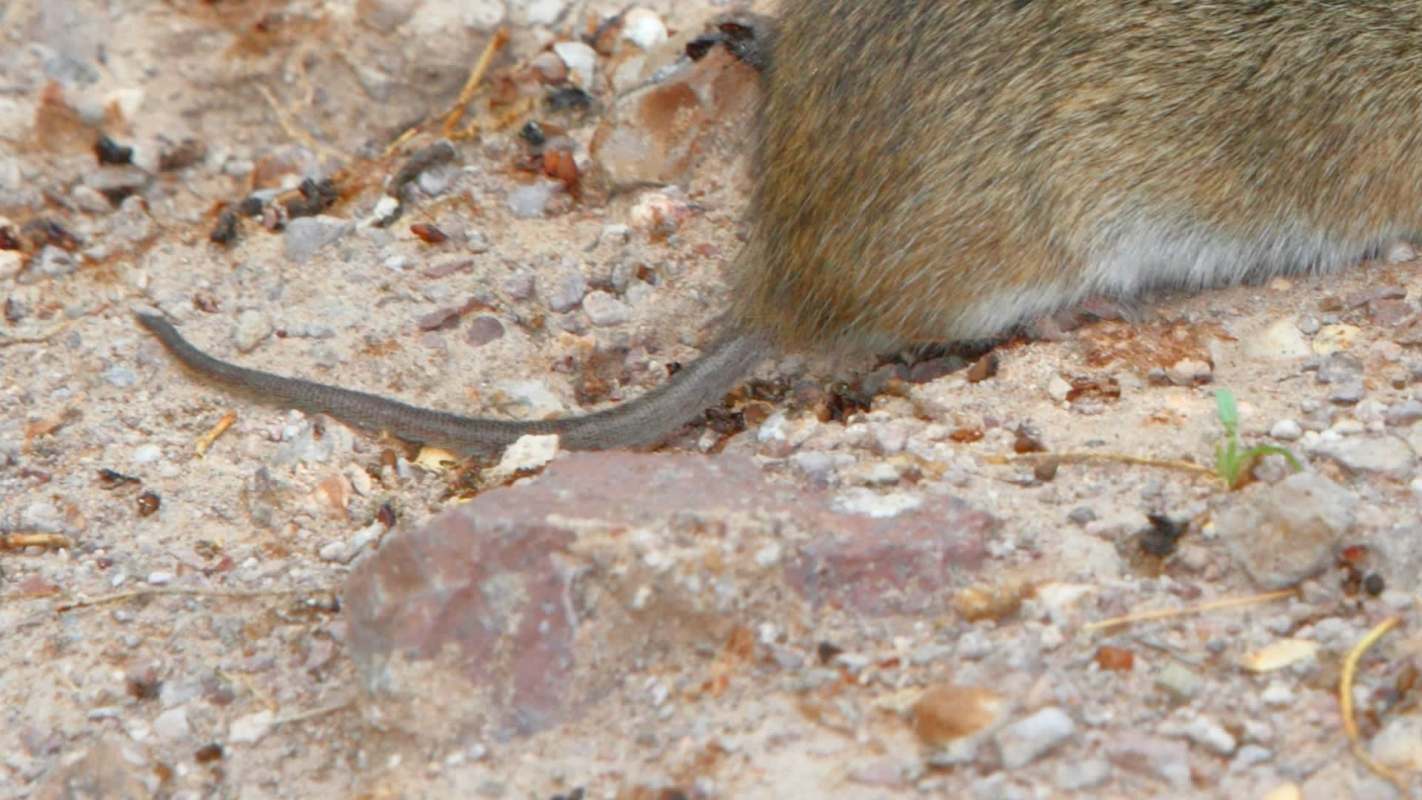
A new study suggests invasive Burmese pythons may wipe out a rodent species found only in Florida within the next few decades.
In Key Largo, researchers are responding with an unusual strategy: fitting opossums with tracking collars to help locate the snakes.
What's happening?
Researchers reported in the journal Biological Diversity that endangered Key Largo woodrat and Key Largo cotton mouse populations have remained unstable since Hurricane Irma in 2017. Lead author Shauna Sayers and Co. wrote that the storm "likely served as a python dispersal event."
The study drew on four sampling efforts at Crocodile Lake National Wildlife Refuge and Dagny Johnson Key Largo Hammock Botanical State Park, one before Irma, one after, and follow-up fieldwork in 2022 and 2024. According to Sayers, the rodents had already been declining for years, but the hurricane and growing python pressure appear to have made recovery much harder.
"Rodents have this boom and bust," Sayers told USA Today. "... They weren't really able to bounce back after impacts from Hurricane Irma because of the negative impacts of the Burmese pythons."
Sayers said the Key Largo cotton mouse, while still endangered, appears to face less immediate risk because it reproduces more quickly. The Key Largo woodrat, however, is "definitely at a risk of extinction" if python numbers are not brought under control.
TCD Picks » Quince Spotlight
💡These best-sellers from Quince deliver affordable, sustainable luxury for all




Why does it matter?
The Key Largo woodrat has been listed as endangered since 1983 and already faces intense pressure from habitat loss and fragmentation. Because it lives only in the tropical hammocks of Key Largo, it is especially vulnerable to storms, fire, and rising seas.
Sayers described woodrats as "ecosystem engineers" because they build large stick nests, sometimes as tall as 6 feet, that also provide shelter for other animals, including Key Largo cotton mice, insects, and birds.
Researchers have found that those nests contain distinct microbial communities, including bacteria from antimicrobial-producing groups that could hold future medical value.
What's being done?
Wildlife teams in Key Largo are working to remove as many pythons as possible. Sayers said the snakes are notoriously hard to detect and can disappear into the area's inaccessible coral rock foundation and underground pathways.
To improve their odds, researchers at Crocodile Lake National Wildlife Refuge have placed tracking collars on opossums. If a collared opossum is killed, the device can help scientists find the python responsible.
A.J. Sanjar, a technician at the wildlife refuge; Michael Cove, an ecologist and mammologist at the North Carolina Museum of Natural Sciences; and Jeremy Dixon, the refuge manager, helped develop the effort, the South Florida Sun Sentinel reported. The collars cost about $190 each and can last nearly two years. Sanjar said summer is the best time to deploy them because pythons feed more often ahead of breeding season in the fall.
"It's such a heavy word, but I do think that within the next couple of decades that they would be extinct," Sayers said. Cove added, "We're talking about preventing extinction of the Key Largo woodrat, not just removing a few pythons to save opossums and raccoons."

Get TCD's free newsletters for easy tips, smart advice, and a chance to earn $5,000 toward home upgrades. To see more stories like this one, change your Google preferences here.







