


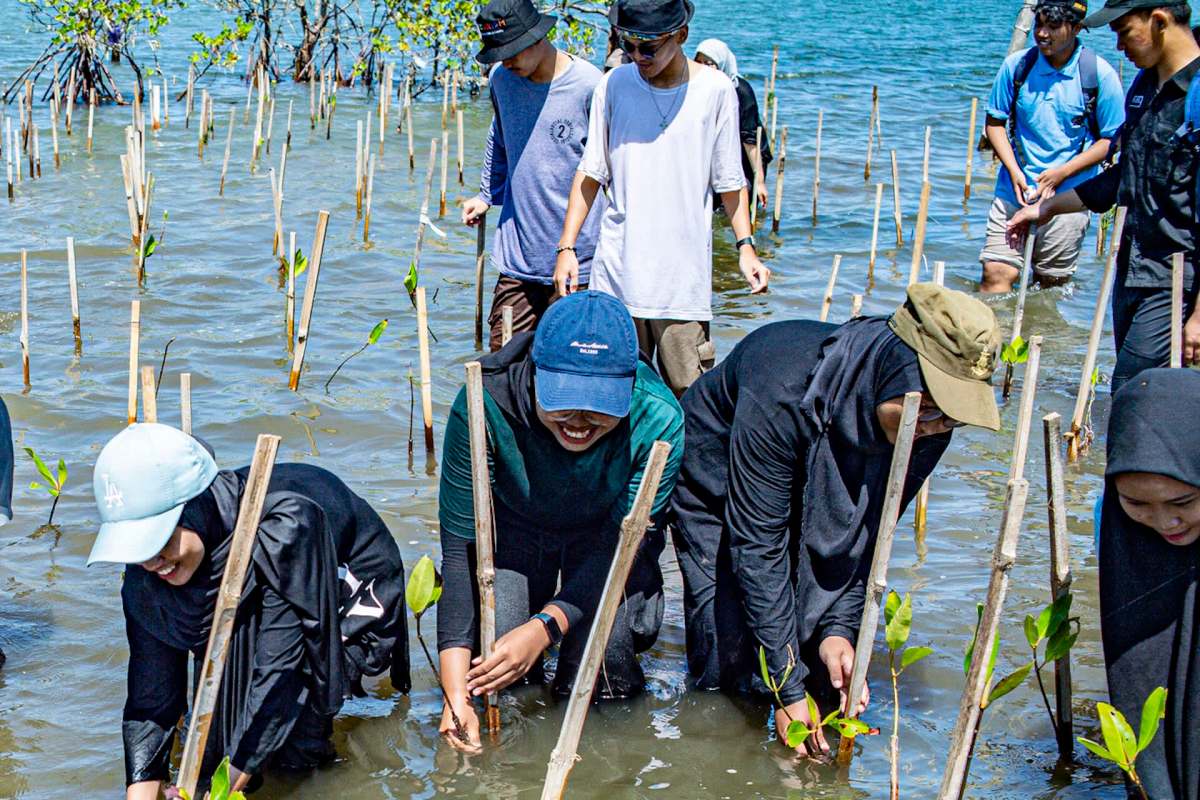
Western climate finance is retreating just as Asia contends with some of the world's fastest-intensifying climate risks. This change is pushing a new generation of Asian philanthropists to step up.
What's happening?
According to Fortune, Philanthropy Asia Alliance head Shaun Seow said many next-generation Asian philanthropists are becoming more involved in climate work. Seeing coral bleaching and other visible environmental damage firsthand is spurring their action.
Less than 2% of global philanthropic giving goes to climate mitigation. Only 12% of that tiny share reaches Asia.
The imbalance is especially glaring given the region's exposure. Fortune reported that Asia is heating up at double the global rate. Climate-related disasters have affected 3.7 billion people in the region since 2000.
At the same time, Western support is shrinking. The shutdown of the U.S. Agency for International Development last July reportedly erased more than $40 billion linked to climate-related development work. France and Germany have also cut their aid budgets. That has left regional funders under growing pressure to lead.
"We have been looking to places like Europe and the U.S. to take leadership, but those days are long gone," said Jamie Choi, the CEO of Singapore-based Tara Climate Foundation.
TCD Picks » Quince Spotlight
💡These best-sellers from Quince deliver affordable, sustainable luxury for all




Why is climate finance important?
Climate finance can build a cleaner economy that can create jobs, strengthen supply chains, and lower costs for communities. Across Asia, that can mean everything from expanding energy access for rural workers to investing in cooling solutions for dangerously hot cities.
Fortune, citing the Center for Impact Investing and Practices, reported that Asia needs more than $200 billion annually for climate adaptation and resilience. The whole continent only has about $19 billion now. By 2030, Asia is projected to make up 75% of the global climate financing gap.
How are Asian philanthropists rebuilding climate finance?
Asian philanthropic groups are now testing ways to unlock much larger pools of money. One of the main strategies is blended finance. That approach combines public and private capital to support projects that are too risky for traditional investors but too important to leave unfunded.
Seow told Fortune that philanthropy can also serve as risk capital for promising ideas that governments and markets don't want to back just yet.
He mentioned Indonesia's Tahija Foundation, which spent more than $17 million over a decade testing Wolbachia bacteria to control dengue fever. That's the kind of long-term effort that would be unlikely to attract conventional financing.
New alliances are also beginning to take shape. The Philanthropy Asia Alliance, founded in 2023, now supports more than 300 projects across climate, health, and development.
Fortune reported that the Just Energy Transition Community announced an initial $2.6 million in catalytic funding for Southeast Asian projects, including bringing clean energy access to farmers and fishers.
That kind of early support can help homegrown solutions scale into the businesses and infrastructure systems that strengthen local economies.
"The conversation needs to happen between Asia, South America, and Africa. We owe it to ourselves: Global South for Global South," Seow concluded.

Get TCD's free newsletters for easy tips, smart advice, and a chance to earn $5,000 toward home upgrades. To see more stories like this one, change your Google preferences here.






