


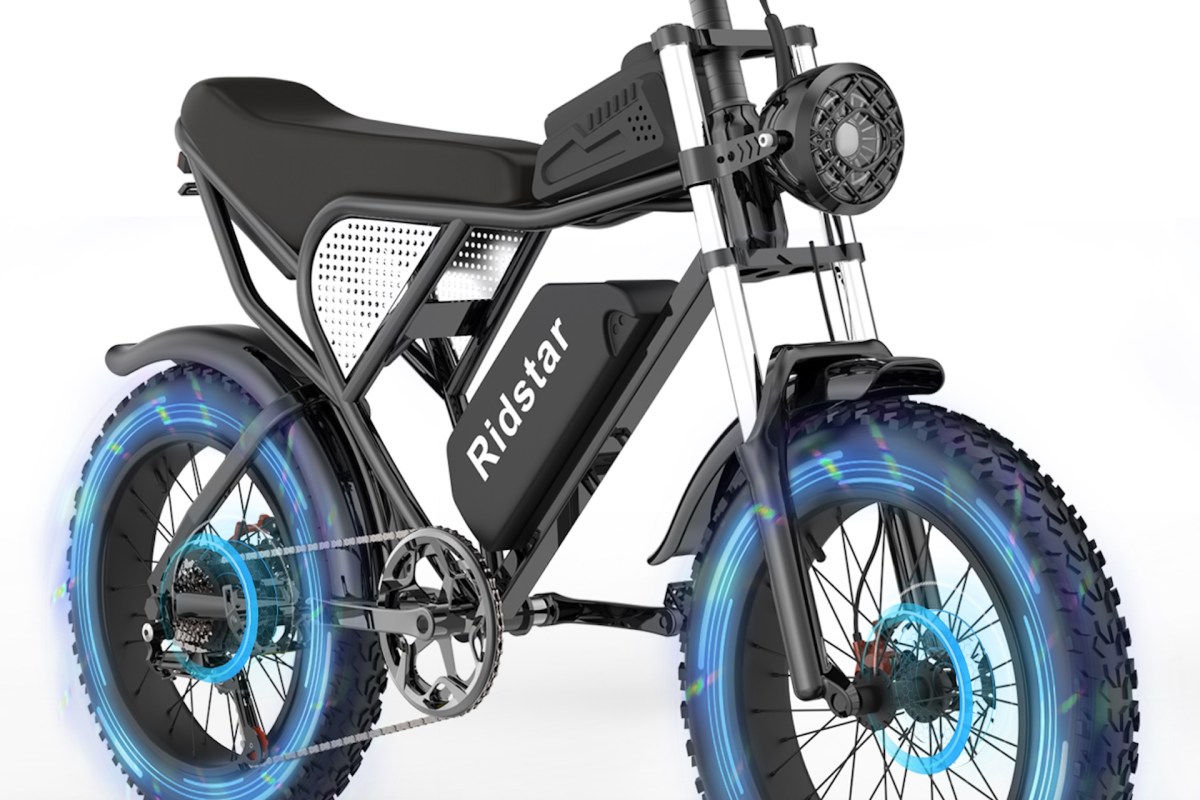
The U.S. Consumer Product Safety Commission is warning people to stop using certain Ridstar e-bikes immediately after multiple fires were linked to the products.
According to the CPSC, Ridstar Q20 and Q20 Pro e-bikes pose a serious fire hazard because their batteries and wiring can ignite. The agency said people should stop using the bikes right away.
So far, the CPSC is aware of 11 fire reports involving the e-bikes. Those incidents include one burn injury, five smoke-inhalation reports, and two property-damage reports totaling more than $40,000.
The affected e-bikes are black and have the Ridstar brand name printed on the battery. The model number Q20 or Q20 Pro may appear on the purchase receipt.
The products were sold through Amazon.com, Ridstar.net, and Walmart.com and were manufactured in China by Huizhou Xingqishi Sporting Goods Co., Ltd.
The CPSC said the manufacturer "has refused to agree to an acceptable recall." According to the agency, the company has also objected to the press release.
TCD Picks » Quince Spotlight
💡These best-sellers from Quince deliver affordable, sustainable luxury for all




Battery fires can be especially dangerous because they can escalate quickly, produce intense heat, and release harmful smoke inside homes, garages, or apartment buildings.
That means this is not just a product defect for riders. A battery failure can put families, neighbors, and anyone nearby at risk of injury, exposure to smoke, and property damage.
The warning is also notable because many consumers may have purchased these bikes from major online retailers and assumed they met basic safety standards. Instead, owners are now being told to stop using the bikes immediately and figure out how to safely deal with a defective lithium-ion battery.
If you own a Ridstar Q20 or Q20 Pro, the CPSC says you should remove the battery from the e-bike immediately and stop using it. Consumers are also warned not to sell or give away the battery.
The agency said defective lithium-ion batteries should not be thrown in the trash, placed in curbside recycling, or dropped into standard used-battery recycling boxes at stores or home improvement centers, since those disposal methods can increase the risk of another fire.
Instead, consumers should contact their local municipal household hazardous waste collection center and, according to the CPSC warning, ask in advance if it accepts defective lithium-ion batteries. If it does not, the CPSC recommends contacting your municipality for further guidance.
It's important to note that this recall shouldn't discourage you from considering an e-bike. While the defect is serious, choosing a reputable manufacturer and staying on top of safety updates can help ensure a reliable experience. In the bigger picture, switching to an e-bike can still meaningfully reduce reliance on fossil-fuel-powered transportation and cut pollution from everyday travel.
If you are shopping for an e-bike or any other battery-powered product online, it may be worth taking a closer look at who made it, where it is sold, and whether the company has handled past safety issues responsibly.

Get TCD's free newsletters for easy tips, smart advice, and a chance to earn $5,000 toward home upgrades. To see more stories like this one, change your Google preferences here.






