


What if one of the universe's most striking sights turned out to be shaped not by one dying star, but two?
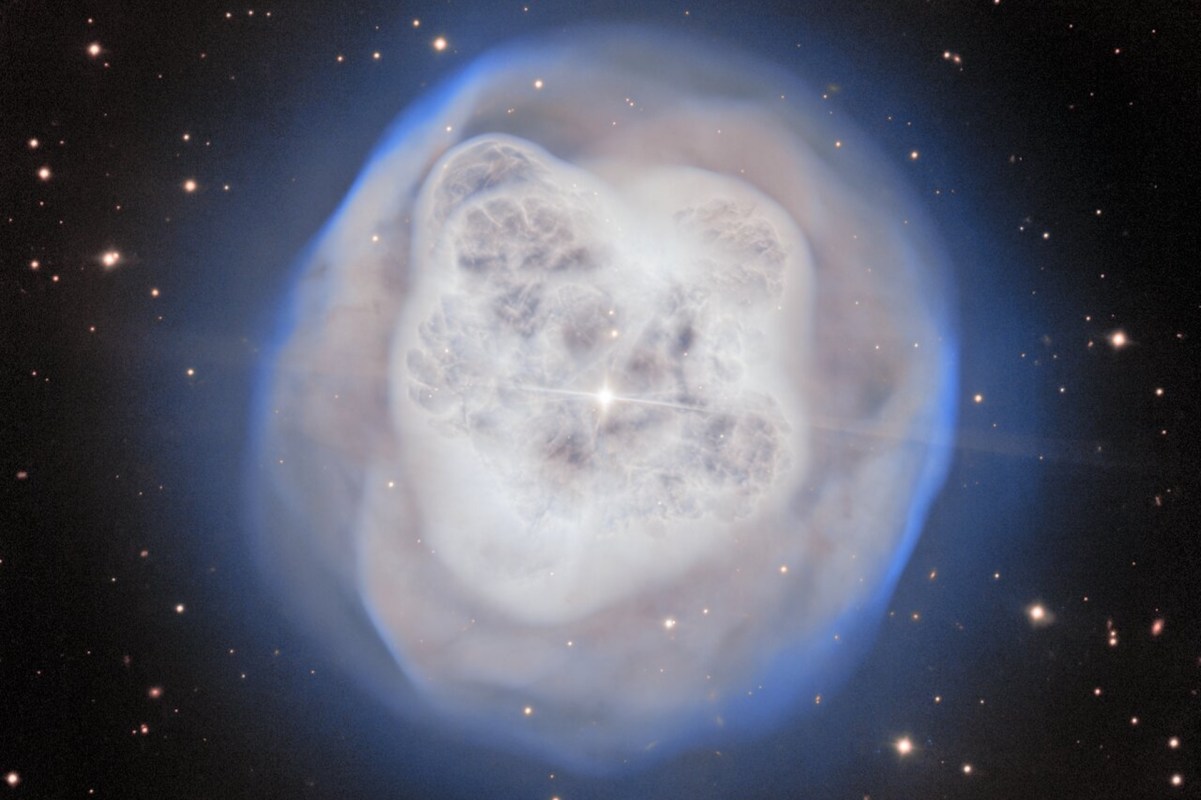
According to Sci.News, a newly released image from the Gemini North telescope in Hawaiʻi is giving astronomy fans an extraordinary look at the Crystal Ball Nebula — and its unusual structure is drawing fresh attention from scientists.
The image captures the object in remarkable detail, revealing a glowing, textured shell of gas with a strange, lumpy appearance that sets it apart from the smoother, rounder planetary nebulae astronomers more commonly observe.
Officially known as NGC 1514, the Crystal Ball Nebula sits roughly 1,500 light-years away in Taurus, close to the border with Perseus.
The new view came from the Gemini Multi-Object Spectrograph on the 8.1-meter Gemini North telescope, which is part of the International Gemini Observatory operated by NSF's NOIRLab.
William Herschel first identified the nebula on Nov. 13, 1790. He coined the term "planetary nebula" after seeing that some of these round objects looked planet-like through early telescopes, even though they are not actually related to planets.
TCD Picks » Quince Spotlight
💡These best-sellers from Quince deliver affordable, sustainable luxury for all




Planetary nebulae appear when a low- or intermediate-mass star nears the end of its life and casts off its outer layers into space. The hot core left behind energizes that gas, causing it to glow.
For the Crystal Ball Nebula, NOIRLab estimates the gas at around 15,000 kelvin.
At its center is a bright source. Herschel believed it was a single star, but astronomers now know it is a binary pair.
The two stars circle each other on an approximately nine-year period, the longest orbital period known for a binary within a planetary nebula.
The image gives scientists a clearer view of how dying stars shape the material around them, and the Crystal Ball Nebula's unusual, bumpy shells may help researchers better understand how binary stars influence that process.
Planetary nebulae offer snapshots of stellar change. They show what can happen when stars like our sun eventually exhaust their fuel and cast off their outer layers. Each new observation helps refine astronomers' interpretation of the life cycles of stars across the galaxy.

Get TCD's free newsletters for easy tips, smart advice, and a chance to earn $5,000 toward home upgrades. To see more stories like this one, change your Google preferences here.






