


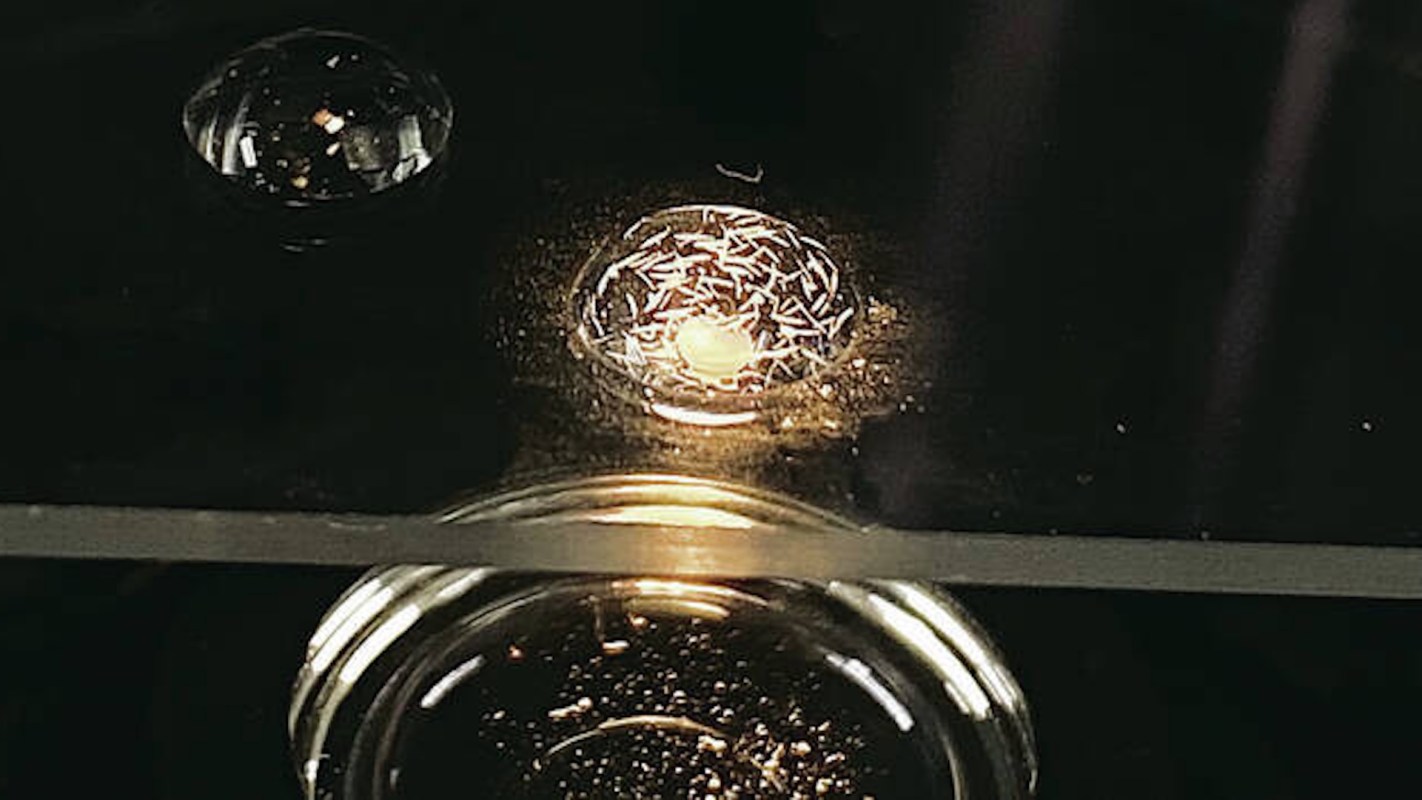
A tiny predator may be giving Hawaiʻi farmers a badly needed edge against one of the islands' most destructive invasive pests.
Researchers say locally found entomopathogenic nematodes, microscopic worms that hunt and kill insects, are showing strong results against the Queensland Longhorn Beetle, which has damaged a wide range of trees on the Big Island.
The Star Advertiser reported that the beetle was identified on Hawaiʻi Island in 2018 after a cacao grower reported it. Since then, it has concerned growers because it attacks many different kinds of trees instead of sticking to a narrow host range.
Damage has been reported in citrus, kukui, cacao, and ulu crops, with beetle populations concentrated in Puna and the Hilo-Pahoa-Mountain View area.
Roxana Myers, a research plant pathologist at the United States Department of Agriculture, started looking for insect-killing nematodes in 2014 and found them persisting at earlier documented sites on Oahu, Hawaiʻi Island, Maui, Molokai, and Kauai.
Following prior work on the sweet potato weevil, Myers turned to the Queensland Longhorn Beetle in 2020. Lab injections into infested logs performed strongly, and field tests also looked encouraging, with previously infested trees said to recover within about four months.
TCD Picks » Quince Spotlight
💡These best-sellers from Quince deliver affordable, sustainable luxury for all




Hawaiʻi i farmers have had few effective options against the beetle. There is no known treatment for adult infestations, and the larvae are hard to target because they stay shielded inside the tree.
The nematode approach is chemical-free and locally sourced. Hawaiʻi's rules on importing non-domestic animals and microorganisms complicate the introduction of beneficial organisms, but using nematodes already present on the islands sidesteps much of that problem.
Myers said the locally found nematodes are safe for people, plants, animals, and native species, and support healthier soils.
Researchers are continuing field trials and refining how the treatment is applied. The nematodes appear to move through the larvae's tunnels inside the tree, essentially turning the beetle's own path into a route for attack.
Myers reported that the treatment can build effectiveness because the nematodes multiply by the thousands inside a host.
Still, scaling up is a challenge. Farmers and advocates say the treatment is time-intensive, and applying it can be difficult for people already juggling the daily demands of running a farm.
There are production bottlenecks as well. University of Hawaiʻi ecological research and outreach technician Emma Stierhoff has been rearing nematodes in a lab, using galleria moth larvae to help reproduce them.
That process takes at least two weeks, and maintaining the moth colonies is delicate work.
Researchers and agricultural leaders say more funding, easier rearing methods, and dedicated support teams could help. A Hawaiʻi bill that would have funded more university research on treatment methods was deferred, but scientists believe the work could eventually help manage other invasive pests as well.

Get TCD's free newsletters for easy tips, smart advice, and a chance to earn $5,000 toward home upgrades. To see more stories like this one, change your Google preferences here.






