


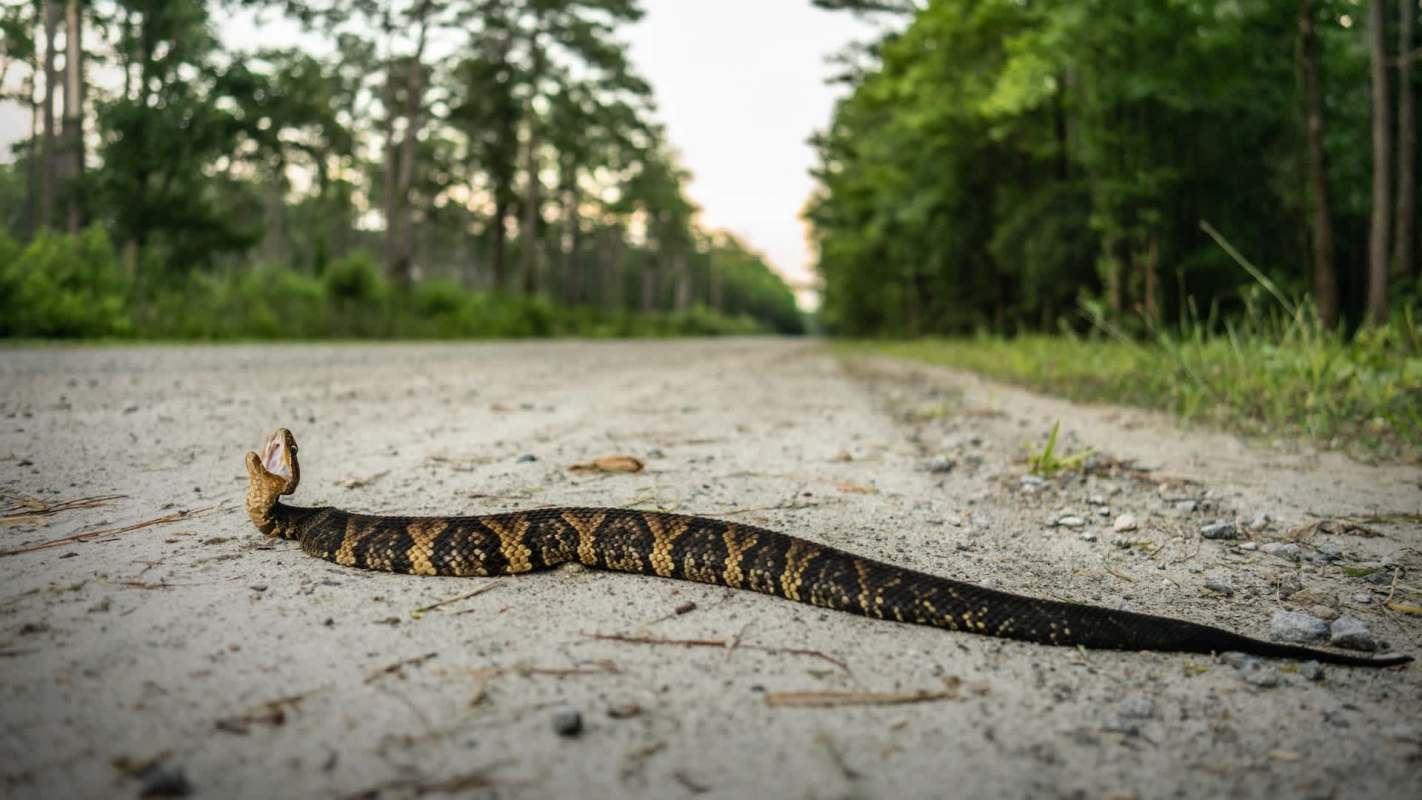
A new study warns that billions of people may face a greater risk of snakebites as venomous species shift their ranges in response to climate change and human-driven habitat loss.
Euronews detailed this while covering a World Health Organization paper released Thursday that charted where the world's most venomous snakes live today and where they could spread by 2050 as temperatures climb.
The team drew on museum archives, published studies, citizen reports, and both private and public datasets to create a clearer picture of future snakebite risk. Snakebite data remain patchy, even though there are roughly 4 million new cases each year, most of which occur in tropical regions, especially in South Asia.
Species that may move into new areas include North American cottonmouths, African spitting cobras, vipers across parts of South America and Europe, and kraits in Asia. In India, dangerous species such as Russell's vipers, common cobras, and kraits may move northward from the south into more heavily populated areas.
Rising temperatures are only part of the problem. Turning wetlands, grasslands, and forests into towns, ranchland, and monoculture agriculture is also forcing snakes to adapt and relocate.
Particularly for people in rapidly growing cities and underserved rural areas where medical care and antivenom can be difficult to access, it's also a public health warning.
TCD Picks » Quince Spotlight
💡These best-sellers from Quince deliver affordable, sustainable luxury for all




As snake habitats change, encounters may become more common in places people use every day. This can leave communities medically unprepared when venomous species move in, with the greatest danger falling on those with the fewest resources.
The researchers say the findings can help health authorities decide where to direct resources before the risks intensify. If hospitals, local governments, and rural clinics know which species are likely to move, they can better prepare staff, medicines, and public education campaigns.
David Williams, one of the authors of the study, said that risk reduction includes "wearing covered footwear, watching where we put our hands and feet, using light sources when we are outside in the dark, not interfering with animals such as snakes if they are encountered, and instead giving them time to leave the area and knowing what to do when and accident happens," per Euronews.

Get TCD's free newsletters for easy tips, smart advice, and a chance to earn $5,000 toward home upgrades. To see more stories like this one, change your Google preferences here.






