


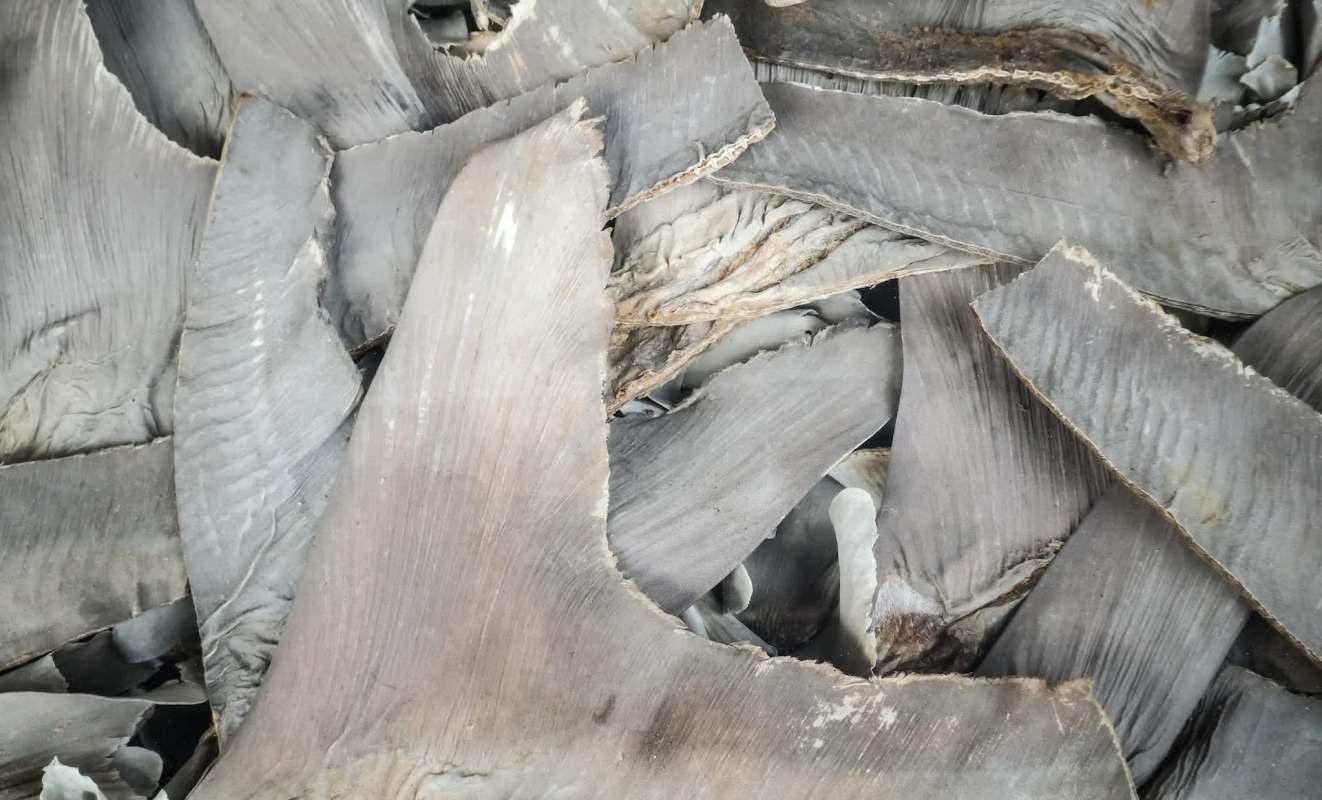
A petition drawing attention to a crisis involving both shark deaths and the treatment of migrant workers on distant-water fishing vessels could put billions of dollars in seafood trade on the line.
If U.S. officials determine that China is not meeting American shark conservation standards, the dispute may lead to restrictions on about $1.5 billion in Chinese seafood imports.
What happened?
The Center for Biological Diversity has petitioned the U.S. government to review possible sanctions against China under the Moratorium Protection Act, saying the country's shark finning rules do not match U.S. protections, according to Inside Climate News.
In the United States, along with over 90 other jurisdictions, fishers are generally required to land sharks with fins still attached to their bodies. Conservationists say that standard is the most effective way to prevent shark finning. China permits fin removal in many fisheries under ratio-based rules, which critics say are hard to enforce and easy to game.
Shark populations are down by over 70% since 1970, and over a third of shark and ray species face extinction. Per Chinese figures, in 2023, crews discarded more than 10,000 blue sharks and nearly 1,700 shortfin makos in one Pacific region.
Why does it matter?
This is not just a wildlife issue. It is also a labor and human rights issue, with implications for ocean health, global food systems, and coastal communities that depend on stable marine ecosystems.
TCD Picks » Quince Spotlight
💡These best-sellers from Quince deliver affordable, sustainable luxury for all




Sharks play a key role in keeping ocean food webs in balance, and their loss can affect fisheries that support both jobs and food supplies. Scientists say sharks are especially vulnerable because they reproduce slowly and take time to mature. With as many as 80 million killed every year, recovery is difficult.
ICN included disturbing testimony from migrant workers on Chinese distant-water vessels, including allegations of forced labor, beatings, dangerous working conditions, and long stretches trapped at sea. Crew members interviewed by the Environmental Justice Foundation described sharks being finned alive and their bodies thrown overboard.
The combination of environmental destruction and worker exploitation keeps the harmful industry profitable while shifting the costs onto marine ecosystems and the communities that rely on them.
What's being done?
The petition asks the National Marine Fisheries Service to identify China as out of compliance with U.S. shark conservation standards. If that happens, President Donald Trump could move to restrict Chinese seafood imports.
Advocates say the most meaningful response would be for China to adopt a fins-naturally-attached policy and strengthen rules around the possession, transport, and sale of shark fin products. Conservation groups say that would make inspections easier and reduce opportunities to conceal illegal catch.
China's embassy said the country supports science-based conservation and sustainable use of international fisheries resources, though it said it was not familiar with the situation regarding the petition. It also noted that Beijing said worker protections are important and that companies are expected to comply with laws and regulations.
Paying close attention to where seafood comes from and supporting strong traceability and labor standards support compliant businesses. Public pressure can also shift demand away from products linked to cruelty, overfishing, and abuse.
"Losing sharks wouldn't just be an ecological disaster; it would be a profound moral failure," Alex Olivera of the Center for Biological Diversity said. Shark scientist Heidy Martínez offered a similarly stark warning, saying, "The level of demand we place on the ocean simply cannot continue."

Get TCD's free newsletters for easy tips, smart advice, and a chance to earn $5,000 toward home upgrades. To see more stories like this one, change your Google preferences here.







