


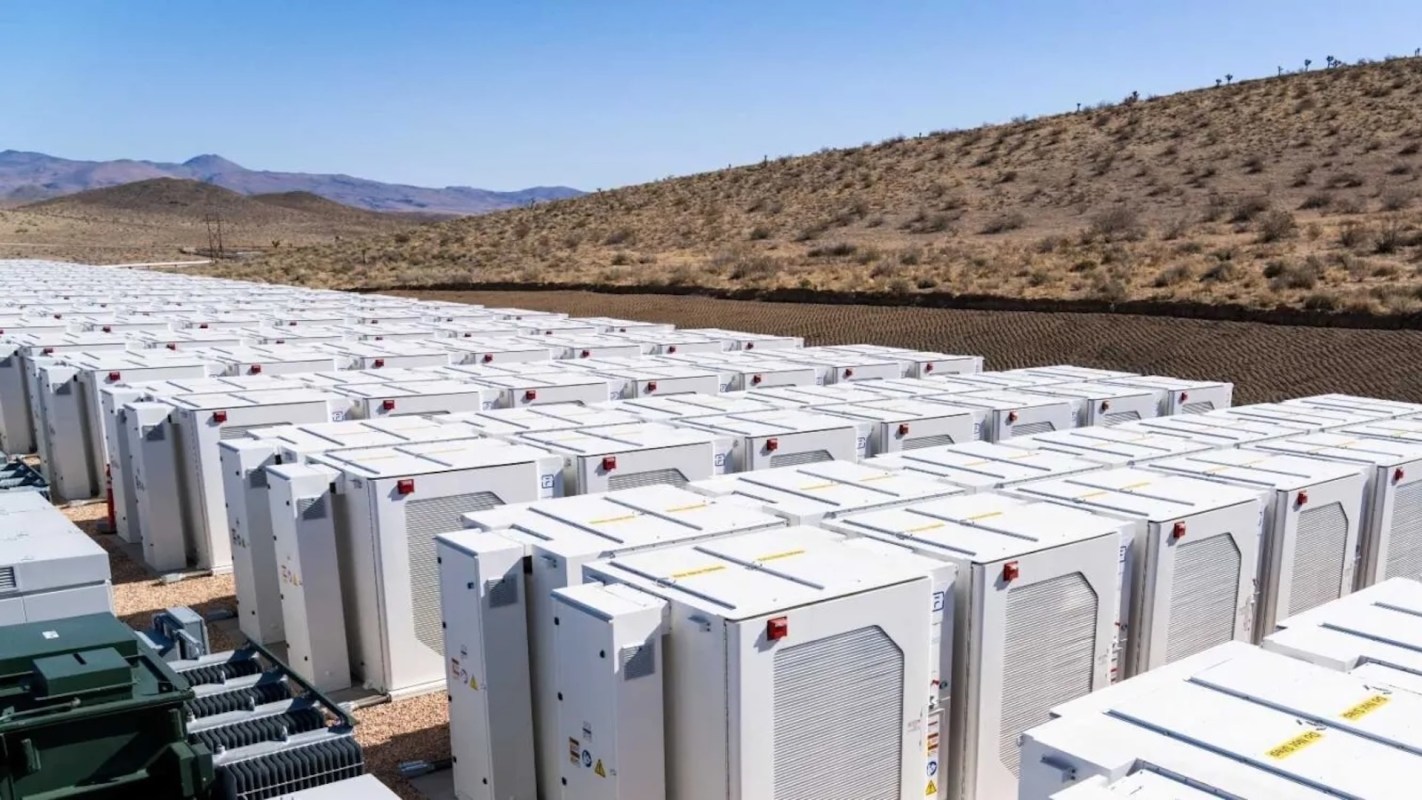
America's energy storage boom is still gaining speed.
The U.S. logged its strongest first quarter on record for battery installations in early 2026, another sign that demand for reliable, fuel-free power is rising even as the Trump administration continues to take aim at cleaner energy.
What happened?
According to the U.S. Energy Storage Market Outlook from the Solar Energy Industries Association and Benchmark Mineral Intelligence, the U.S. added 9.7 gigawatt-hours of new energy storage capacity in the first quarter of 2026. That was up 32% from the same period a year earlier.
As Electrek noted, utility-scale batteries accounted for most of the new capacity, with 7.8 gigawatt-hours added during the quarter. The commercial and industrial segment put in 648 megawatt-hours, while residential systems added 515 megawatt-hours.
The longer-term outlook is expanding, too. The growth forecast now exceeds 610 gigawatt-hours of energy storage installations by 2030. One notable reason is volatility in fuel markets tied to the U.S. and Israel's war in Iran, which has added uncertainty around gas supplies and prices.
Why does it matter?
Battery storage can make daily life easier in ways that extend well beyond the power grid. These systems allow utilities, businesses, and householders to store electricity when it is abundant and use it when demand surges, easing pressure on the grid and helping prevent expensive outages. That can be especially important during heat waves, storms, and other extreme weather emergencies.
TCD Picks » Quince Spotlight
💡These best-sellers from Quince deliver affordable, sustainable luxury for all




The report also highlighted surging electricity demand from AI and data centers. Companies, including Google and Meta, have signed deals covering tens of thousands of megawatt-hours of storage capacity. If more large energy users can lean on batteries to manage demand, that could help keep price spikes from rippling to ordinary households.
At the same time, federal permitting slowdowns could drive up costs for everyone. The analysis identified 467 solar and storage projects awaiting permits, leaving them exposed to delays or even cancellation. When lower-cost energy projects are held up, families can end up paying more on their monthly utility bills.
What can be done to support cleaner energy?
The buildout is spreading across the country. Texas, Arizona, and California remained the top utility-scale storage markets in the first quarter.
State policy is helping, too. Thirteen states now have explicit energy storage targets, giving developers and utilities more confidence to invest. Georgia, Iowa, and Mississippi were among the states posting notable storage growth during the quarter.
For households, the takeaway is straightforward: Batteries paired with rooftop solar panels can provide backup power during blackouts, cut electricity costs by shifting when energy is used, and add resilience during extreme weather.
For anyone considering solar, tools such as EnergySage can help compare quotes from vetted installers and potentially lower the cost of adding panels or storage at home.

Get TCD's free newsletters for easy tips, smart advice, and a chance to earn $5,000 toward home upgrades. To see more stories like this one, change your Google preferences here.






