


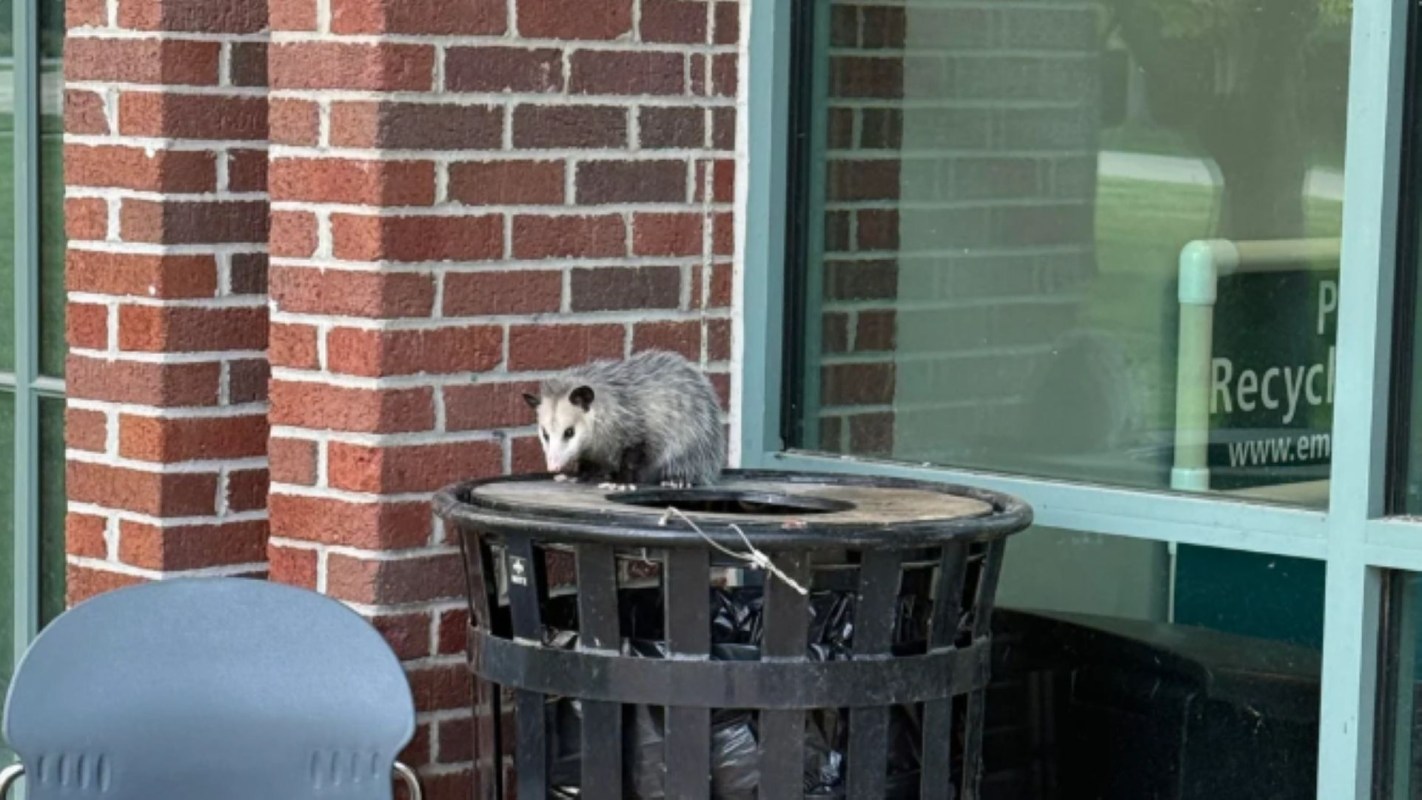
A Michigan college student sparked concern online after spotting an opossum motionless atop a campus trash can near a main building for hours.
With people repeatedly passing nearby and the animal still not moving, the student began to wonder whether the opossum was in distress — and whether anyone should step in.
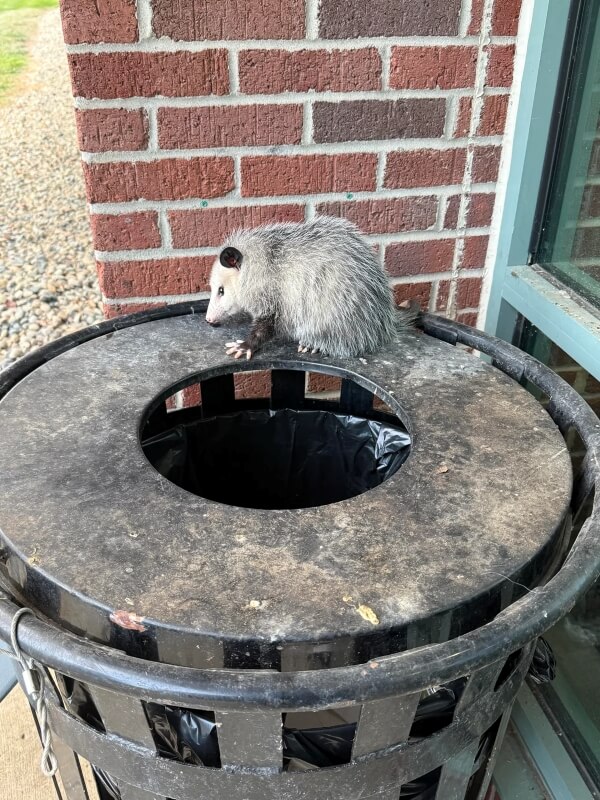
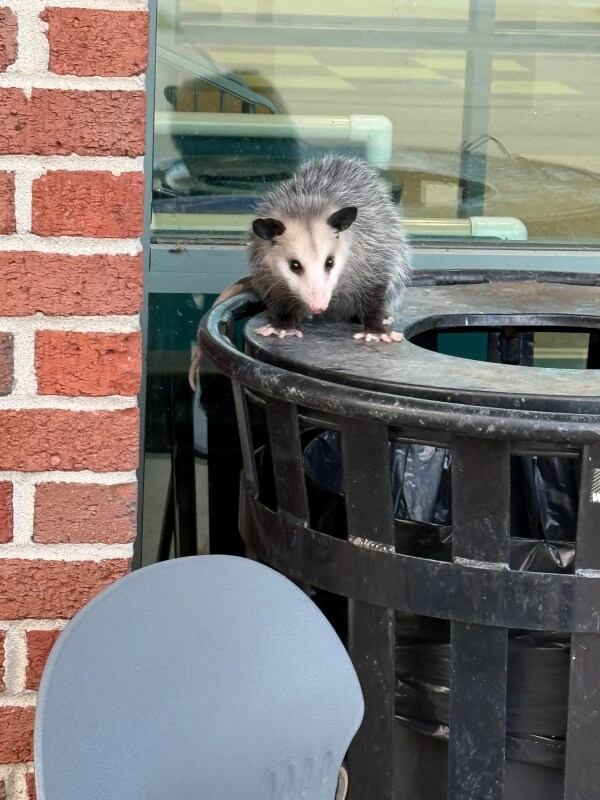
What first seemed unusual quickly started to feel more serious.
"A bunch of people have walked by, even gotten pretty close, and he/she still hasn't moved," the original poster wrote in their Reddit post. "It's been there for at least a couple hours, possibly even up to 4."
They added that the opossum was "not super big, but definitely big enough to be on his own," suggesting it was not a tiny baby that had wandered away from its mother.
That only deepened the uncertainty around what might be going on.
TCD Picks » Quince Spotlight
💡These best-sellers from Quince deliver affordable, sustainable luxury for all




When a wild animal stays still for hours in a busy public area, it can raise real concerns for both the animal and the people around it.
A stationary opossum may be resting, stressed, frightened, or dealing with a health issue. But from a distance, it can be difficult for the average passerby to tell.
Additionally, the animal was sitting on a garbage can outside a main building, serving as a reminder that food scraps, odors, and easy shelter in built environments can draw wildlife into noisy, crowded, and risky places.
That matters on college campuses, where foot traffic is constant, and curiosity can lead people to approach too closely for photos or a better look. Even when animals are not aggressive, repeated disturbance can make a bad situation worse.
It also highlights how everyday human habits, especially waste management, shape wildlife behavior. When animals learn that trash cans are reliable food sources, encounters like this can become more common.
If you come across a wild animal that seems out of place or unusually unresponsive, the safest first step is usually to give it space. Do not try to touch it, feed it, or move it yourself, especially if you do not know whether it is injured or sick.
It can make sense to alert someone who can respond appropriately, such as campus facilities staff, security, animal control, or a local wildlife rehabilitator. Sharing the exact location and how long the animal has been there can help responders assess the situation.
It can also help to encourage others to keep their distance. A small buffer around the animal reduces stress and lowers the chances of someone getting scratched or bitten if it suddenly feels cornered.
Long-term, reducing access to overflowing trash and food waste can help prevent these encounters in the first place.

Get TCD's free newsletters for easy tips, smart advice, and a chance to earn $5,000 toward home upgrades. To see more stories like this one, change your Google preferences here.







