


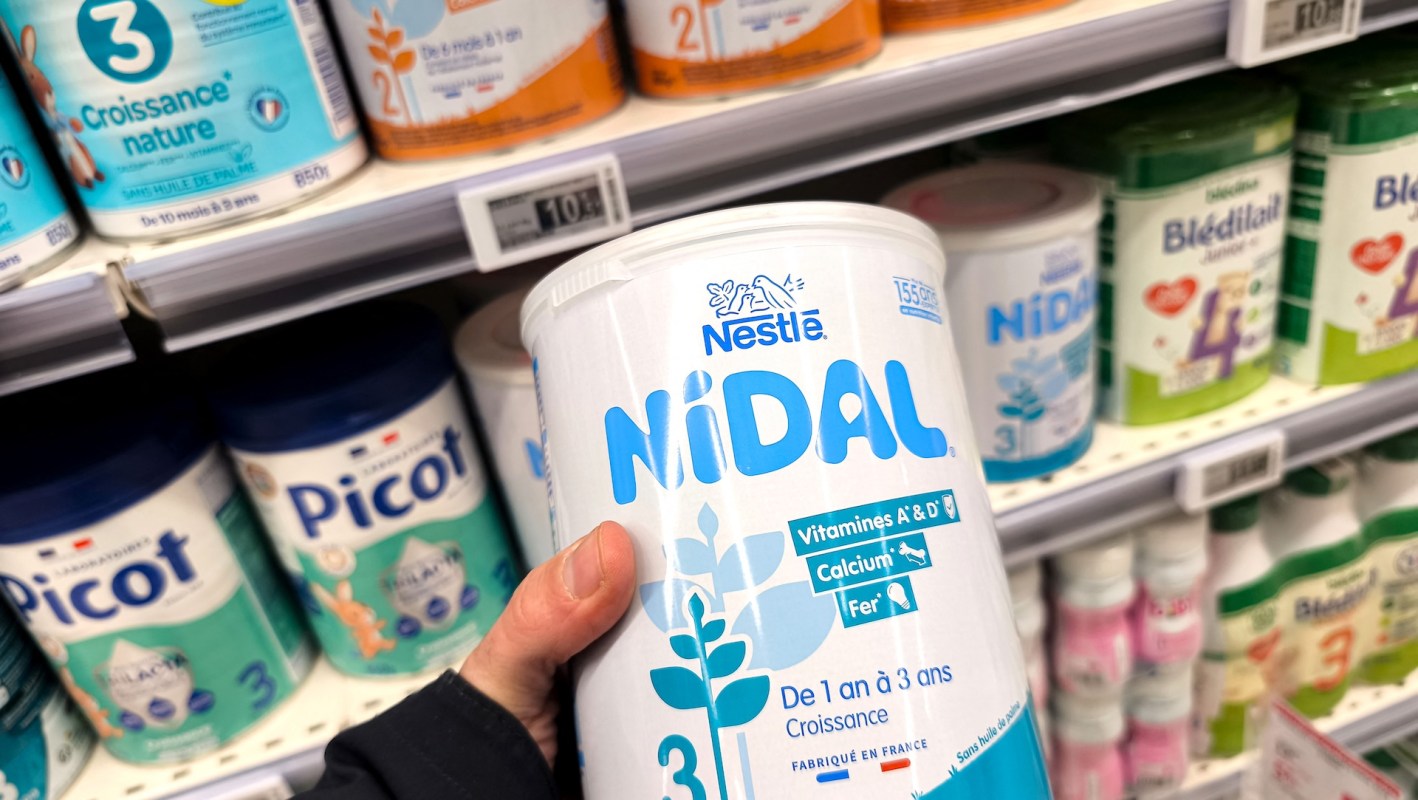
Nestlé and Danone are under renewed scrutiny after a cross-border investigation raised questions about how long contaminated infant formula may have remained on store shelves before families were publicly alerted.
The formula was linked to cereulide toxin, and critics said the recall process unfolded far too quietly for a product intended for babies, according to Nutrition Insight.
What happened?
A joint investigation by Radio France, RTS in Belgium, and RTBF in Switzerland alleges that Nestlé and Danone were slow to respond after contamination was identified in late November. The outlets describe what they call a "silent recall," with potentially affected infant formula remaining on the market until a global recall was announced Jan. 5.
Most of the scrutiny has focused on Nestlé. According to the press release, the company had identified cereulide in formula made in the Netherlands, yet its first recall did not come until Dec. 10. As reported by Nutrition Insight, Nestlé stopped production in France's Aisne region Dec. 26 after the toxin was confirmed in arachidonic acid oil, or ARA oil.
Almost 850,000 boxes were seized at a French factory and at other Nestlé production sites. But according to Radio France, products that had already reached the market reportedly stayed available to consumers for several more days, intensifying criticism that parents were not warned quickly enough.
Nestlé has disputed that account. In comments to Reuters, the company said the investigation was misleading and inaccurate. Nestlé said it notified Dutch authorities, affected countries, and the European Commission on Dec. 10 and followed a strict internal process before expanding the recall. Reuters also reported that Danone did not immediately respond to a request for comment.
TCD Picks » Quince Spotlight
💡These best-sellers from Quince deliver affordable, sustainable luxury for all




Why does it matter?
The case is especially troubling because the products involved were intended for infants. If families continued buying and using formula after contamination had already been identified, the potential consequences could be serious.
It also underscores a broader reality about food safety: timing matters. A recall only works when people hear about it quickly and clearly. When communication is delayed, even while companies say they are still verifying the risk, products can remain in homes, on shelves, and throughout the supply chain.
Cases like this may appear isolated, but they often point to deeper weaknesses in large-scale food production. Long supply chains, reliance on third-party ingredients, uneven oversight, and slow communication can all widen the gap between the moment a problem is discovered and when consumers are warned. For families, that makes transparency more than a corporate slogan. It becomes a basic safety issue.
The fallout is not just reputational. The investigation has also brought increased regulatory scrutiny and legal pressure, including reported action against Nestlé over what was described as a warning sent too late to authorities.
What's being done?
Nestlé said it acted transparently and in coordination with regulators.
Further testing was conducted between the initial recall and the later global recall, and the company informed its supplier and alerted others in the industry. It also said that after confirmation Dec. 24, it stopped using all mixes containing ARA oil produced by a factory in Wuhan, China, linked to the contamination. Cabio Biotech, the company that produces ARA oil, is a global industry supplier.
For consumers, the most practical step is to closely follow recall notices from retailers, health authorities, and formula manufacturers, especially for products used by infants and young children. If a product is suspected of being affected, families should stop using it and follow the official return or disposal instructions.
It is also a reminder to keep packaging, batch numbers, and purchase records for essential food items whenever possible. In the event of a recall, that information can make it much easier to determine whether a product at home is affected.

Get TCD's free newsletters for easy tips, smart advice, and a chance to earn $5,000 toward home upgrades. To see more stories like this one, change your Google preferences here.







