


Tomato growers hear plenty of rules: Don't plant too early; don't trust old seeds; don't expect stressed seedlings to bounce back.
But according to tomato expert Craig LeHoullier, gardeners may be underestimating how resilient these plants really are.
What happened?
In a recent episode of The Joe Gardener Show (@joegardenerTV), LeHoullier joined host Joe Lamp'l for a wide-ranging conversation about tomato growing, seed saving, heirlooms, breeding projects, and how gardening changes over time.
LeHoullier — who wrote Epic Tomatoes and helped found the Dwarf Tomato Project — shared updates from his own garden, where he is still planting during a hectic season shaped by life as a new grandfather.
Even with less free time, he said his plants are "looking good" and reminded listeners that "every year is different."
Their discussion all stemmed from whether tomatoes can handle more than many gardeners assume. LeHoullier and Lamp'l discussed seed longevity, hardening off, and the way home gardeners often treat common growing "rules" as more rigid than they need to be.
TCD Picks » Quince Spotlight
💡These best-sellers from Quince deliver affordable, sustainable luxury for all




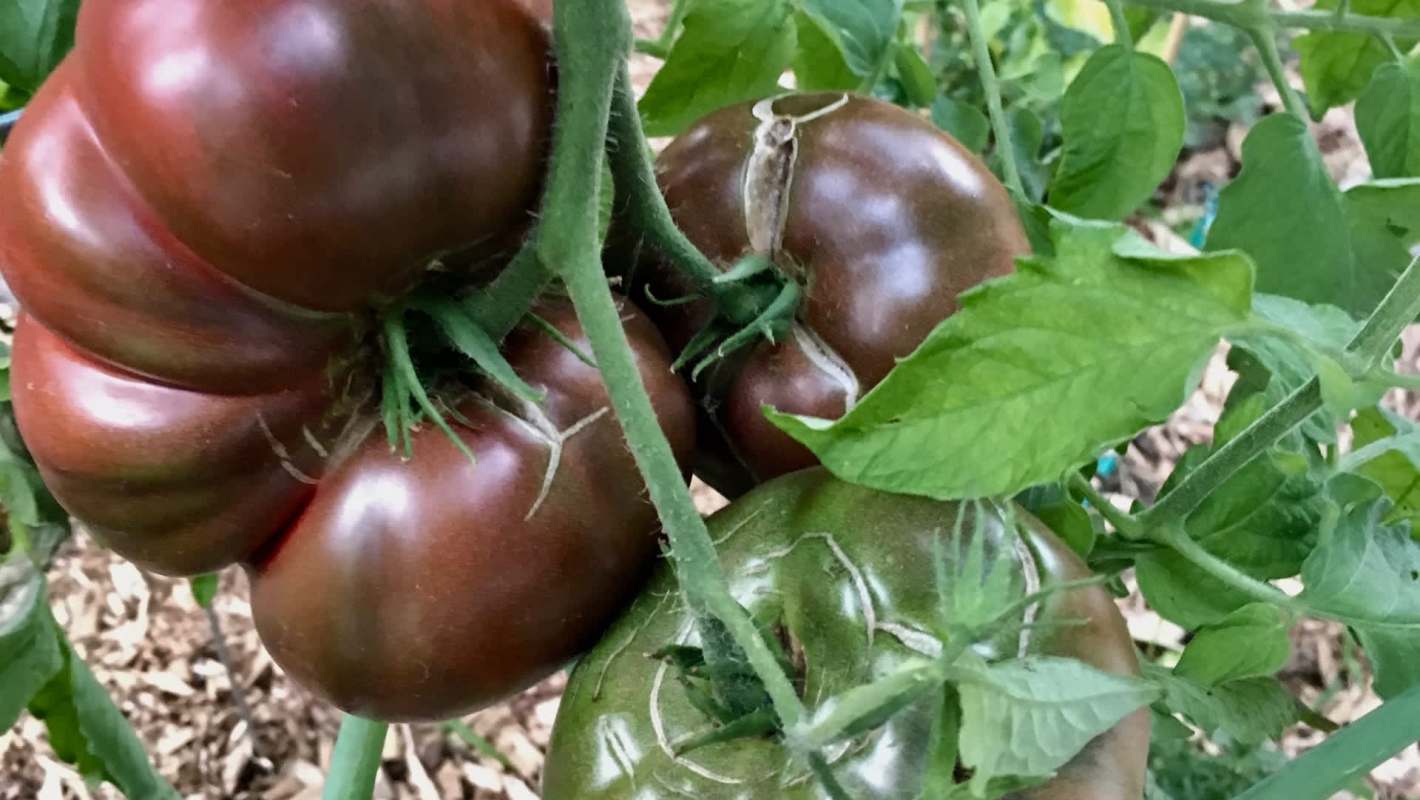
Listeners appeared to agree. In the comments, one gardener from Vermont said they had "experienced that at times" themselves. Another, in North Carolina, said the conversation inspired them to pull older Pineapple and Cherokee Purple seeds from storage and give them a try anyway.
Why does it matter?
For many gardeners, the pressure to get everything perfect while also battling unpredictable weather and packed schedules can become a reason not to grow food at all. But raising tomatoes, lettuce, peppers, and other crops at home can help reduce grocery bills, improve access to fresher produce, and make it easier to enjoy food that often tastes better than store-bought options.
The benefits of gardening extend beyond the satisfaction of knowing you're not dependent on globally shipped produce. Spending time outdoors, getting light exercise, and simply tending plants can ease stress and help people stay active, even if their gardens look a little different each year.
What can I do?
If you have been putting off planting because conditions are not ideal, LeHoullier offered a useful reset: Start where you are. Tomatoes may recover from setbacks better than expected, and older seeds may still be worth testing.
Gardeners can also make the process easier by scaling their efforts to fit their lives. Lamp'l described using a smaller pop-up raised-bed setup and grow bags during a year when his main garden is under reconstruction — a reminder that growing some food is better than growing none.
LeHoullier also made the case for choosing flavorful heirlooms over standard supermarket-style varieties when possible. Growing unique tomatoes at home can help gardeners save money on premium produce while also delivering colors, shapes, and flavors that can be hard to find at big-box stores.
"There's no right or wrong," LeHoullier said. "You need sometimes to give yourself that ability to say, 'Okay, I'm going to do a rebuild. I'm going to take a break. I'm going to grow less.'"

Get TCD's free newsletters for easy tips, smart advice, and a chance to earn $5,000 toward home upgrades. To see more stories like this one, change your Google preferences here.






