


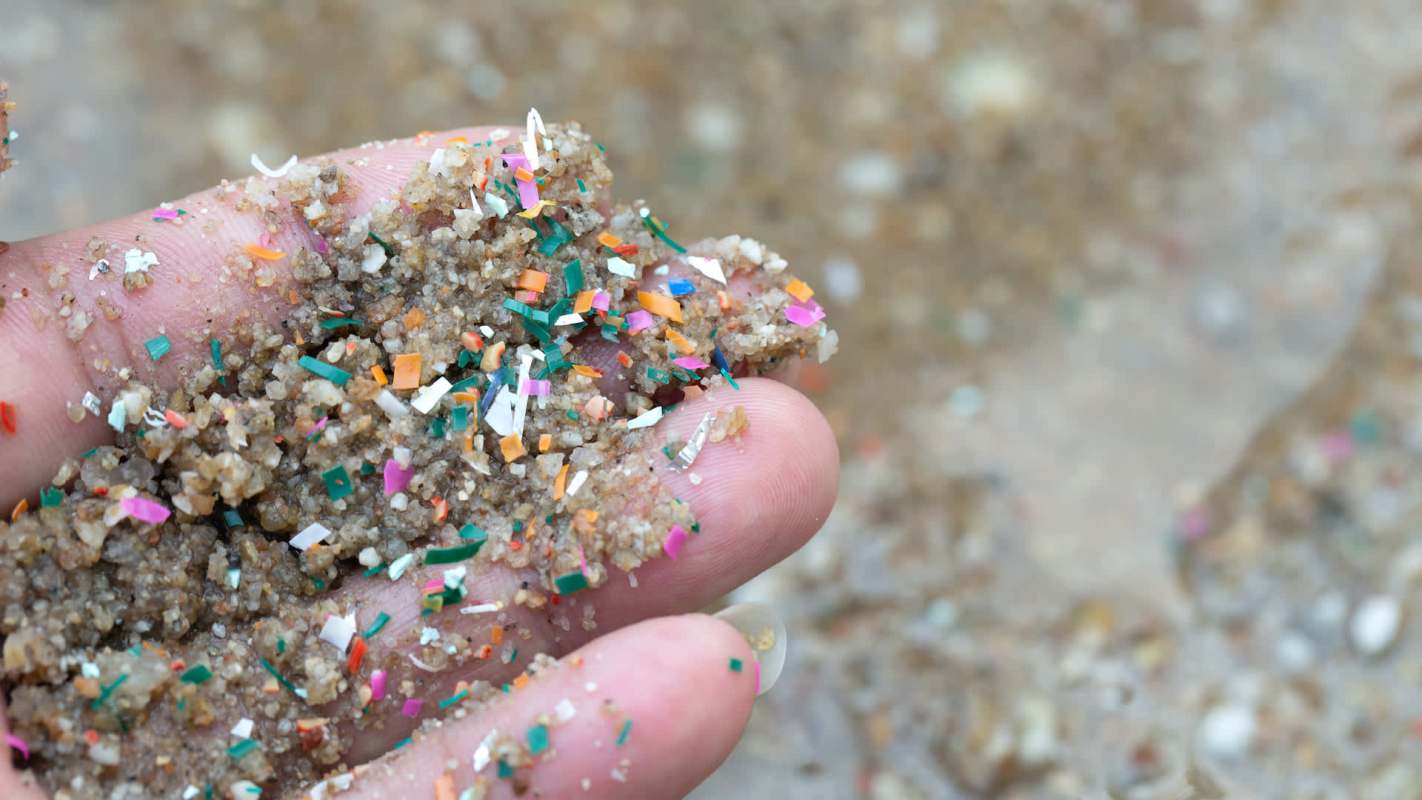
What if the plastic pollution washing up along U.S. coastlines is doing more than harming marine life?
Fresh concerns about human health have been raised after researchers found that coastal communities with higher concentrations of marine microplastics also tended to report higher rates of stroke, diabetes, and high blood pressure.
While the study does not show that microplastics directly cause those conditions, it adds to a growing body of research suggesting that pollution in the environment may overlap with major chronic health risks.
What's happening?
The research, published in npj Cardiovascular Health, examined marine microplastic data using NOAA's National Centers for Environmental Information records spanning 1972 through 2019, and compared them with 2019 health estimates from the CDC for 709 coastal census tracts across the U.S.
Researchers grouped those areas into five exposure levels, ranging from very low to very high microplastic concentrations. They then looked for links with chronic disease prevalence.
The results showed a clear pattern: Areas with higher levels of microplastics had higher reported rates of stroke, diabetes, and high blood pressure.
TCD Picks » Quince Spotlight
💡These best-sellers from Quince deliver affordable, sustainable luxury for all




That pattern grew stronger as exposure levels increased. Compared with lower-exposure communities, prevalence ratios rose to 1.21, 1.17, and 1.10 for stroke, diabetes, and high blood pressure, respectively, in the highest-exposure areas.
The team also used a machine learning model to predict stroke prevalence. In that analysis, microplastic exposure emerged as a meaningful factor, although income, air pollution, and proximity to traffic also played major roles.
What does it mean?
Microplastics are now found nearly everywhere — in water, food, air, and in cardiovascular samples. While research has shown promising breakthroughs toward more natural microplastic removal, such as the use of algae to eat microplastics, these concepts are only in their early stages.
Scientists have already been investigating whether these tiny plastic particles may contribute to pathophysiological pathways relevant to cardiovascular disease.
That does not mean living near the coast automatically puts someone at risk. This type of public health study looks at broad population-level patterns, not individual diagnoses, and it cannot establish direct cause and effect.
However, the findings stand out for another reason. The same higher-microplastic areas also tended to have lower incomes, higher social vulnerability, more uninsured residents, and additional environmental burdens. That suggests pollution exposure may be compounding existing health inequities rather than occurring in isolation.
In simple terms, the study offers another reason for closer attention. When chronic disease patterns align with pollution patterns, researchers and public health officials have a stronger signal to investigate what communities are being exposed to and how those exposures may affect health over time.
What's next?
For now, the authors are calling for more research, particularly studies that can track individual exposure and better separate the effects of microplastics from other factors such as fine-particle air pollution, traffic, and socioeconomic stress.
That follow-up is important because the study had limitations. The marine microplastic measurements were collected over many years, while the health data came from 2019, and the analysis only included coastal census tracts.
The researchers also noted that cancer showed a different pattern, one that will require further investigation.
Findings like these could help guide future pollution monitoring, regulatory policies, and more targeted health protections in communities already facing multiple environmental risks.
The study's bottom line is cautious but significant: Marine microplastic pollution may be linked to higher rates of stroke, diabetes, and high blood pressure. Researchers said more work is needed to determine whether that relationship is causal and how exposure might be reduced.

Get TCD's free newsletters for easy tips, smart advice, and a chance to earn $5,000 toward home upgrades. To see more stories like this one, change your Google preferences here.







