


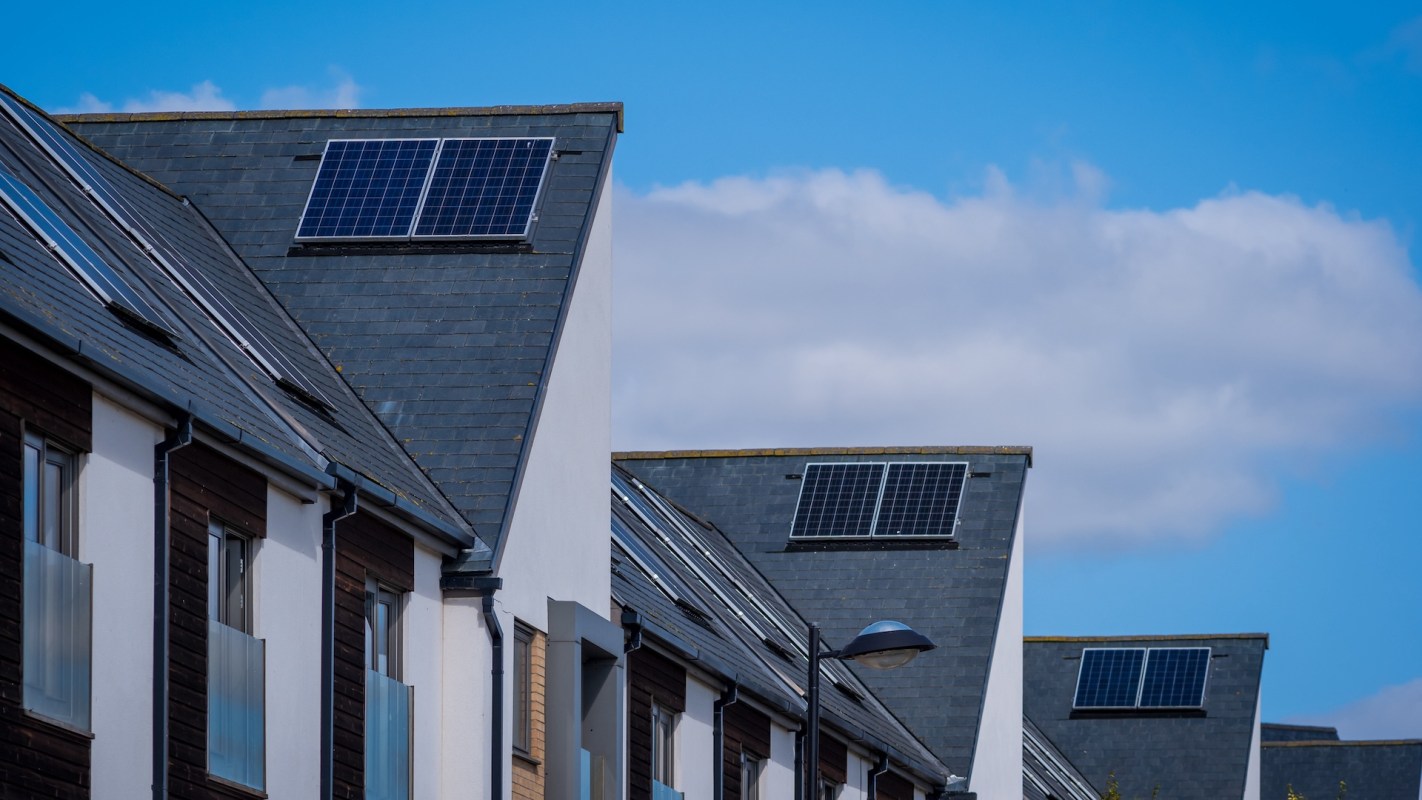
A major solar company is making a big bet on a fast-growing clean energy trend: building solar panels and battery backup systems into new homes from the start instead of treating them like upgrades buyers add later.
As Electrek reported, Qcells, an industry leader in the solar market, has announced a new division aimed at packaging solar and battery systems into homes during construction across the United States.
The new program, called Qcells New Homes, is a business unit for homebuilders that combines rooftop solar, battery storage, financing, installation support, and long-term monitoring.
The company said the systems will use solar panels from its Georgia factory together with batteries made in the U.S., which Electrek noted would allow contractors to work with one partner rather than source materials from multiple vendors.
This move comes as more and more American homeowners search for ways to reduce energy costs and protect their homes from frustrating power outages.
If you're interested in solar and battery power, connect with the experts at EnergySage to get quick installation quotes from vetted installers.
Rather than waiting for homeowners to think about solar after they move in, Qcells is trying to get these systems installed during construction, when the process is typically easier and more streamlined.
The company is also pitching the financial side as a major selling point. Qcells says its "homebuyer-friendly operating lease with in-house financing" can keep the system cost out of the listed home price and separate from the buyer's debt calculations, which may help more shoppers qualify for a mortgage.
Save $10,000 on solar panels without even sharing your phone number Want to go solar but not sure who to trust? EnergySage has your back with free and transparent quotes from fully vetted providers in your area. To get started, just answer a few questions about your home — no phone number required. Within a day or two, EnergySage will email you the best options for your needs, and their expert advisers can help you compare quotes and pick a winner. Solar panels can save you more than $50k over their 25-year lifespan, and EnergySage can help you save as much as $10k on installation. Which begs the question — isn't that worth an email or two? |

Electrek also reported that monthly payments are meant to stay under typical utility bills and carry no yearly escalator, which could make future energy costs more predictable.
For many households, energy bills are becoming a bigger source of financial stress. A new home with built-in solar and battery storage could help lower those costs from day one while also offering more protection during grid outages.
That battery component is especially important. Solar panels alone can reduce electricity costs, but pairing them with storage can let homeowners save power for nighttime use, peak-rate periods, or emergencies.
There is also a practical reason this model could catch on. Adding solar during construction is often simpler than retrofitting it later, which can mean fewer installation headaches for builders and less disruption for homeowners.
The move reflects a shift in how clean energy is being marketed in housing. Instead of being treated as a niche sustainability feature, solar-plus-storage is increasingly being framed as basic infrastructure — something that can help households manage costs, improve resilience, and reduce pollution tied to fossil-fuel-generated electricity.
Qcells also appears to be leaning into another selling point: domestic manufacturing. With energy and industrial policy increasingly focused on U.S. supply chains, builders may see value in working with a company that can offer both equipment and financing through one model.
Qcells' move is one example of how the housing and energy industries are trying to make cleaner, more resilient homes easier to buy.
Users in the comment section appear to approve of the new model.
"This is exactly what Tesla should have done with their solar and battery options," one user said. "Working with home builders and setting up a long term relationship would make solar an easier option for builders and roofers."
"Every new building should be designed for solar+storage. I'd require it," another added.
It may take time to see if Qcells' new model becomes mainstream, but you don't have to wait to see the benefits of battery backups and solar.
To learn about the best battery backup option for your home and budget, check out EnergySage's free tools.
With EnergySage partnering with the electrification experts at Qmerit, you can know that you're getting the most up-to-date information on home energy upgrades.
And if you're looking to make your home's energy more secure but aren't ready for a whole-home backup, Pila offers plug-and-play options for a fraction of what traditional systems would cost.

Get TCD's free newsletters for easy tips, smart advice, and a chance to earn $5,000 toward home upgrades. To see more stories like this one, change your Google preferences here.






