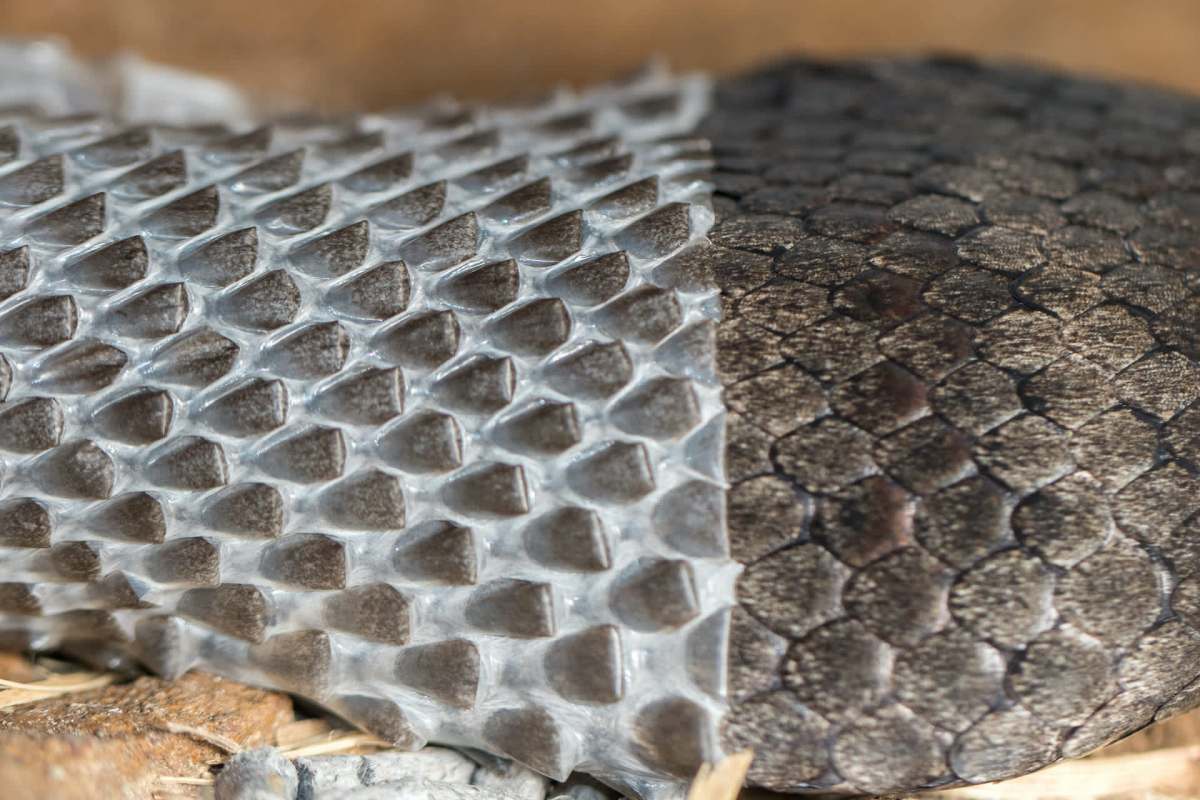
A North Carolina homeowner may have had an unexpected employee working in the house for a while.
After spotting a 4- to 5-foot black rat snake, the resident started to suspect the reptile may have quietly solved their lingering mouse problem.
What happened?
In a post on the r/Snakes subreddit, the homeowner said that returning home in the summer led to a surprise sighting in the kitchen, as the snake slipped beneath the dishwasher. Since the family does not leave doors open, they were left wondering how it had gotten inside.
The explanation was probably simpler than they first thought. The poster shared that they had "a fairly serious mouse problem," noting that rodents had been chewing into overlooked food boxes despite much of the pantry being stored in totes.
Then came the detail that seemed to tie everything together. As they described, while clearing a pantry closet, they came across a large shed skin. At the same time, they realized that signs of mouse activity had been down for some time.
"I'm thinking that snake was doing a job for however long he lived with us," the poster hypothesized.
TCD Picks » Good Store Spotlight
Get 10% off your next purchase with code TCD10


Other commenters said the story sounded entirely plausible. One person noted that rat snakes are "amazing at hiding," while others shared similar stories from Michigan and Georgia. One story included a snake entering through a gap in an outside dryer vent to hunt mice in the walls.
Why does it matter?
The story is a reminder that wildlife encounters are often connected to human-made conditions rather than random intrusions. When homes provide food, clutter, and tiny entry points for mice, predators such as rat snakes may not be far behind.
That can understandably be unsettling. But it also demonstrates the role these animals can play. Rat snakes are known for feeding on rodents, which can contaminate food, damage insulation and wiring, and spread disease. In that sense, the snake may have been addressing a problem the humans unintentionally helped create.
It is also a useful example of why not every wildlife encounter is entirely negative. Sometimes, the same species people fear can help restore balance around homes, farms, and gardens.
TCD Picks » Quince Spotlight
💡These best-sellers from Quince deliver affordable, sustainable luxury for all




What can I do?
For homeowners hoping to avoid this sort of surprise, the first step is to remove whatever is attracting animals. That means storing food securely, cleaning up crumbs, limiting clutter, and dealing with rodent activity before it turns into a bigger infestation.
It also helps to inspect the home for access points. Small gaps around dryer vents, foundations, doors, crawl spaces, and utility lines can be enough for both mice and the predators that follow them. Sealing those openings can reduce the odds of animals moving in.
If you do find a snake indoors, it is best not to handle it yourself. Even when a snake is harmless, the safest move is usually to give it space and contact local wildlife removal professionals or animal control.
Throughout the whole saga, though, the OP seemed perfectly fine with the snake and even said they'd welcome it in different circumstances.
They wrote in a follow-up: "If i lived alone i would happily let him stay. I'm not a snake person. No interest in having them as pets. But i think it would be cool to just have one living in my house."

Get TCD's free newsletters for easy tips, smart advice, and a chance to earn $5,000 toward home upgrades. To see more stories like this one, change your Google preferences here.