


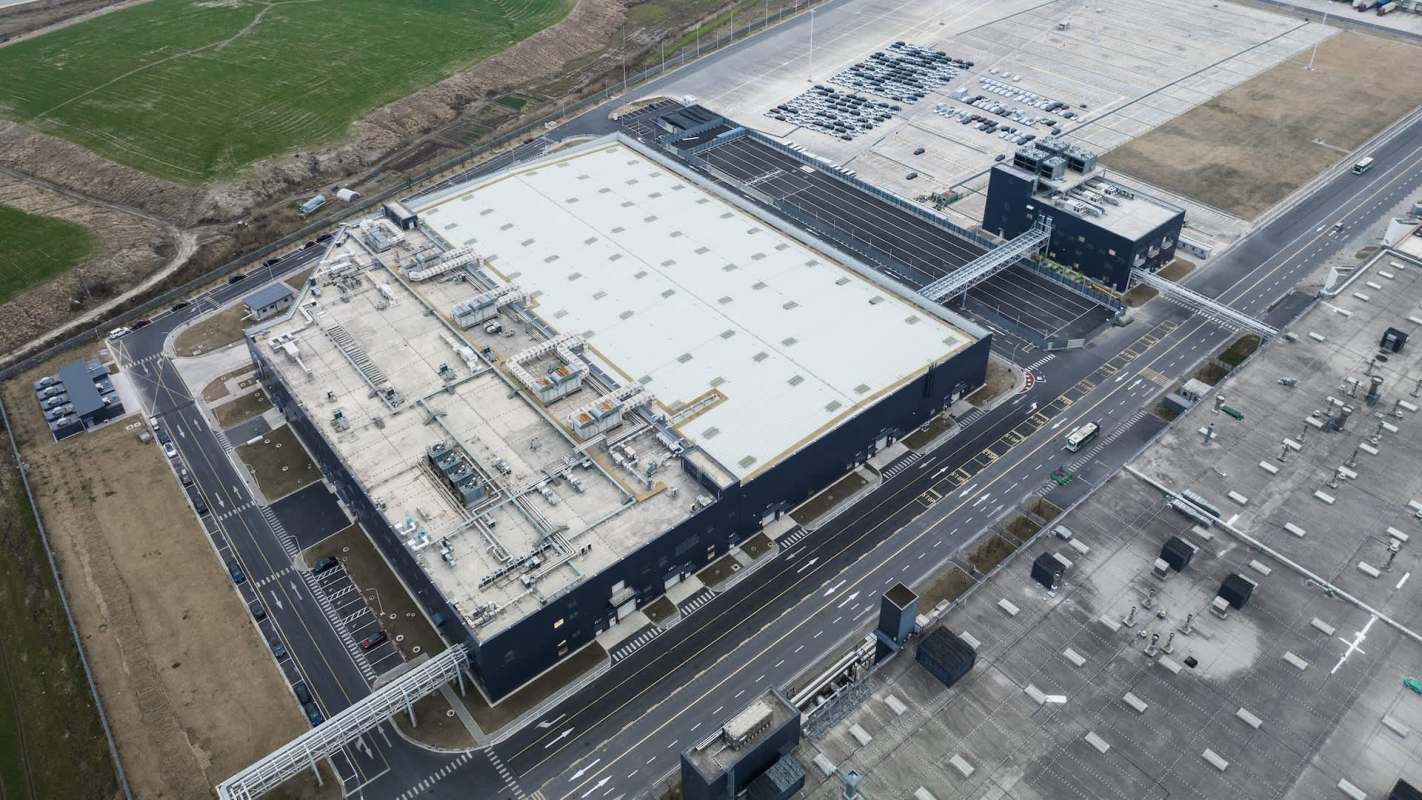
Pennsylvania residents used a virtual town hall earlier this month to voice mounting frustration over a fast-moving wave of data center proposals, describing the build-out as an "onslaught" that is reshaping communities, with projects happening before people even know what is being considered.
This issue hits the very core of the social system. It sparks a debate about whether local residents will have a meaningful say in what happens to their land, water, power grid, and quality of life.
What's happening?
A town hall, hosted by the Better Path Coalition and No False Climate Solutions PA, drew residents from across the state, according to The Center Square. Speakers said data center development is moving forward with little transparency and too little public input.
State Sen. Katie Muth, a Democrat from Chester County, said she is pushing for a three-year pause on new hyperscale facilities. Republican state Rep. Jamie Walsh of Luzerne County is backing several bills, including one that would end a sales tax exemption for data centers.
Much of the frustration is centered on a bill the Pennsylvania House approved in April that remains pending in the Senate. That bill would create a model ordinance to guide communities on data center siting. Critics at the event said it could weaken local control rather than protect residents.
Speakers also repeatedly criticized Gov. Josh Shapiro, arguing that state support for rapid data center growth has helped speed up projects they say are steamrolling communities.
TCD Picks » Quince Spotlight
💡These best-sellers from Quince deliver affordable, sustainable luxury for all




Why does it matter?
While data centers power modern technological infrastructure, they also require enormous amounts of land, electricity, and water. Those demands can have far-reaching effects on nearby communities.
Residents at the town hall said the human costs are being overlooked, according to The Center Square. Jennifer Dusart, a Cumberland County business owner, said opponents are often dismissed as "uninformed" or "emotional," even as projects move ahead "with very little public awareness." In Luzerne County, John Zola said two major proposals are close to his community, with eight more within about 20 miles.
That kind of rapid expansion can make it harder to build a healthier future by pushing communities toward more industrial land use, greater resource demand, and less democratic decision-making. If local governments lose leverage, residents may be left to deal with excessive noise, infrastructure strain, water shortages, and environmental burdens while companies capture the benefits.
For many speakers, the issue also comes down to trust: whether elected officials will put people ahead of "money and big tech," as one resident told The Center Square.
What's being done?
Opponents are beginning to organize at both the grassroots and legislative levels. The town hall itself reflected how local coalitions are building a statewide network to share information, pressure officials, and challenge projects before approvals are finalized.
Muth's proposed three-year moratorium would pause new hyperscale developments and give lawmakers time to study their impacts. Walsh's effort to revoke tax breaks would also make the industry less financially attractive, potentially slowing the rush. Critics of the House bill are urging the Senate to reject it, saying a state-backed model ordinance could make it easier for developers to move into more towns.
For residents, the most practical next steps are local: following zoning meetings, planning commission agendas, and county notices; asking direct questions about energy and water demand; and connecting with neighborhood groups early. Early public engagement can matter while decisions are still taking shape.
"We will be Virginia in 10 years," Muth said, per The Center Square. "None of us deserve to be living in industrial hell."

Get TCD's free newsletters for easy tips, smart advice, and a chance to earn $5,000 toward home upgrades. To see more stories like this one, change your Google preferences here.






