


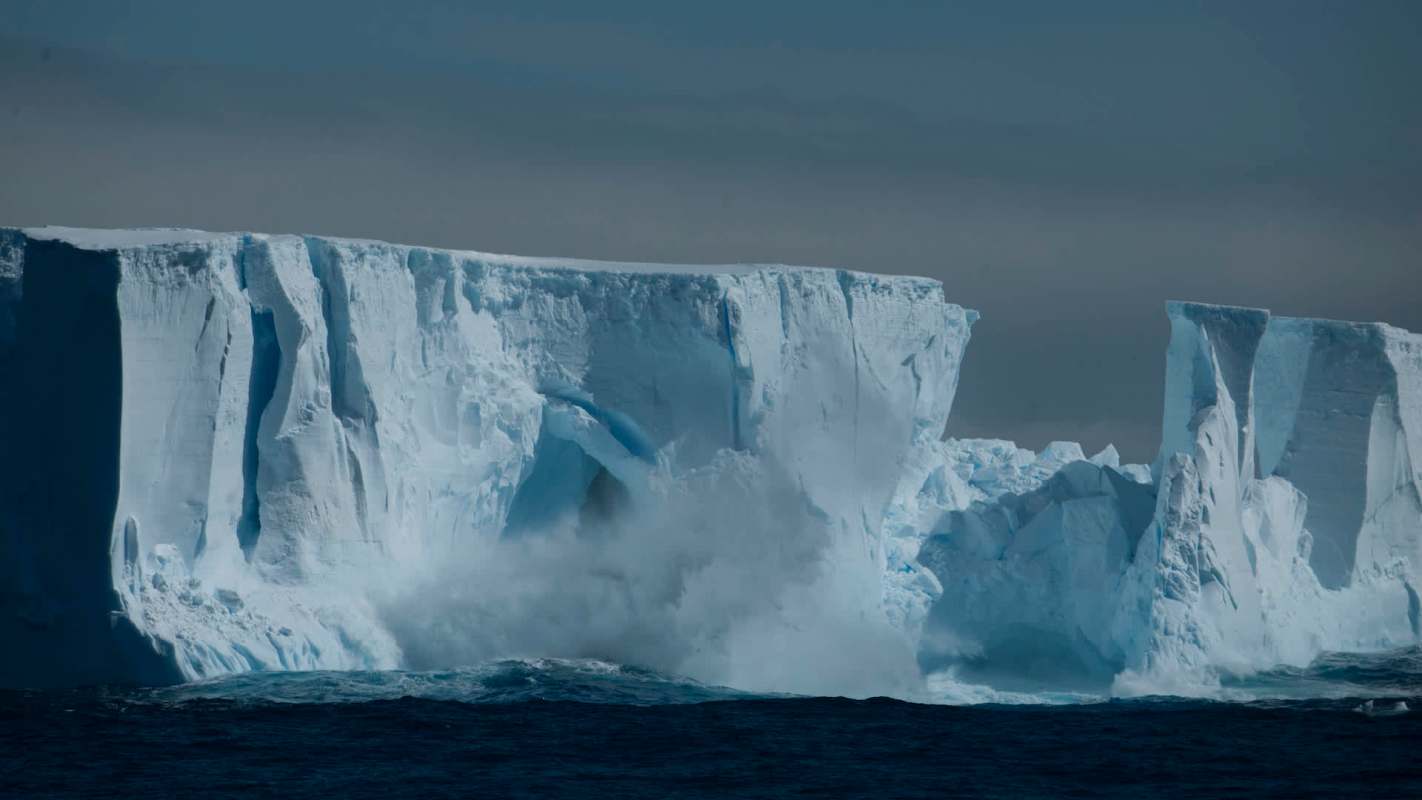
What if Antarctica's ice was melting faster than many climate models have estimated — not just because the planet is warming, but because the melting itself may be accelerating the process?
Scientists said that may be exactly what is happening.
A new study suggested that Antarctica could be caught in a dangerous feedback loop, one that may speed up ice loss and raise the risks for coastal communities far beyond the South Pole.
The research found that Antarctic ice loss is not simply a matter of warmer air causing more melting.
According to the Brighter Side of News, scientists instead described a cycle in which meltwater spreads over the ocean surface and makes it tougher for cold, dense water to sink.
"It's a positive feedback loop where more melt leads to warmer water reaching the ice, which causes even more melt," said Madeleine Youngs. "If we [humans] continue to do business as usual, it's a distinct possibility that we reach the climate tipping point sooner than later, especially as we consider this positive feedback loop."
TCD Picks » Quince Spotlight
💡These best-sellers from Quince deliver affordable, sustainable luxury for all




That shift matters because a light freshwater layer stays near the surface, holds warmer ocean water below, and directs that heat toward the undersides of Antarctica's ice shelves.
As those shelves melt faster, even more freshwater enters the ocean, intensifying the cycle.
This freshwater stratification effect may mean some climate models are underestimating how fast major West Antarctic ice shelves, including those linked to Thwaites and Pine Island glaciers, could weaken or collapse.
The effect could mean a few extra decimeters of sea-level rise by the end of the century, on top of the increase already expected from warming oceans and melting land ice.
The findings also line up with recent observations at Thwaites Glacier, often called the "Doomsday Glacier," where satellite and underwater measurements have indicated faster-than-expected melting and continued retreat along a major ice shelf.
For people living far from Antarctica, the issue may sound distant. But sea-level forecasts help shape very local decisions, from where homes are built to how roads, hospitals, and drainage systems are protected.
If Antarctic ice is less stable than current projections suggest, communities from Miami to Mumbai could face higher risks sooner than expected.
That could mean more frequent flooding, more severe storm damage, and rising costs for taxpayers, renters, homeowners, and insurers.
The research also adds to a broader climate concern. Scientists are increasingly finding that warming can trigger self-reinforcing loops, making the crisis harder to predict and manage.
Similar concerns have emerged around Arctic permafrost thaw and other climate tipping points that could slow progress toward a safer, more resilient future. In other words, the more the planet warms, the more Earth's systems may begin to amplify that damage on their own.
Researchers are working to improve climate models so planners and governments have more accurate sea-level projections. Better models could help cities avoid underbuilding flood protections or making costly long-term decisions based on outdated assumptions.
Monitoring is also becoming more important. Satellites, ocean sensors, and robotic submersibles are helping scientists track how fast ice shelves are thinning and how warm water is moving beneath them.
That kind of data can give communities and policymakers earlier warning when conditions are changing faster than expected.
For everyday people, the findings are a reminder to take local climate risk seriously. People living in coastal areas may want to review flood maps, insurance coverage, evacuation plans, and local resilience projects.
Supporting leaders and policies that cut pollution and invest in climate adaptation may also help communities prepare for worsening impacts.
"The next step is understanding exactly when and where things tip, and what that means for all of us," Youngs concluded.

Get TCD's free newsletters for easy tips, smart advice, and a chance to earn $5,000 toward home upgrades. To see more stories like this one, change your Google preferences here.







