


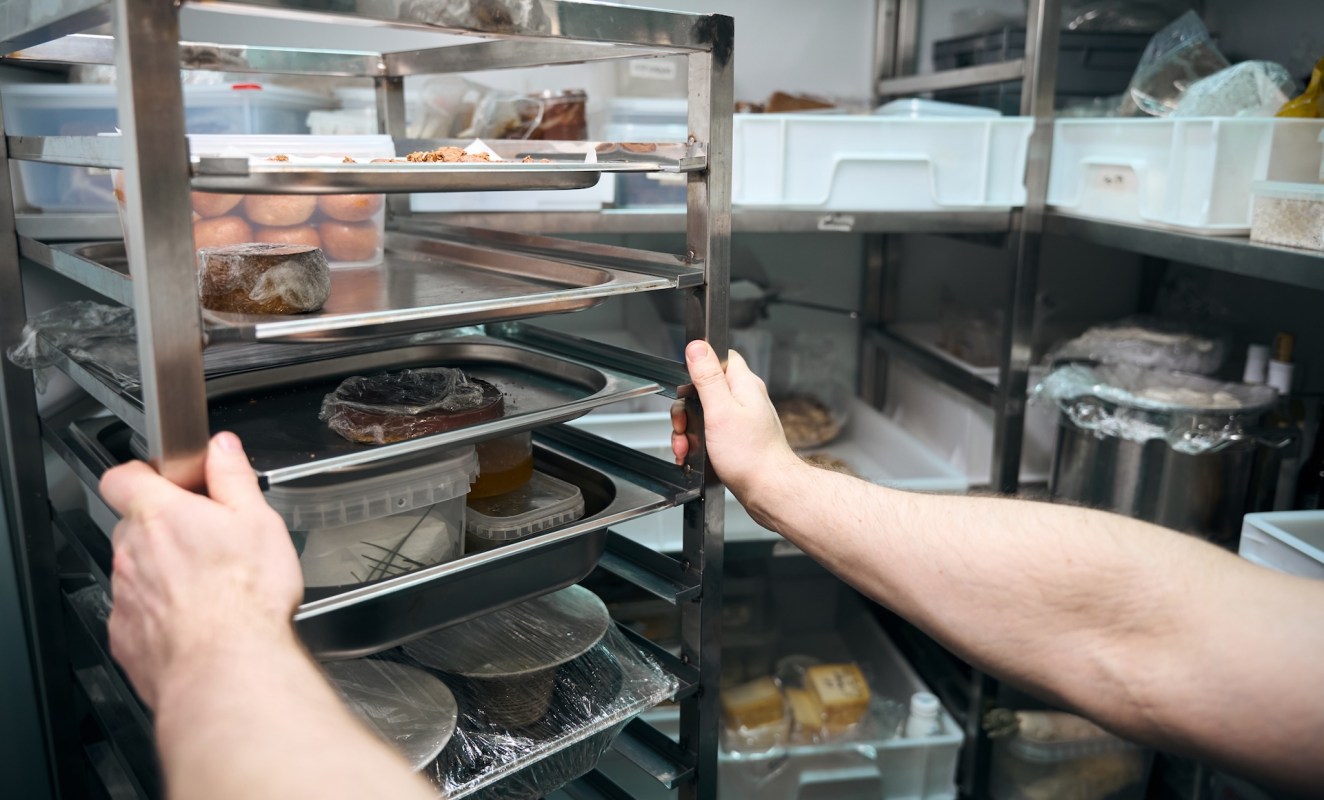
A hospital worker's account of daily trash bags full of food and single-use plastics is striking a nerve on Reddit. It's not just because of the scale, but because many people say it reflects a much broader problem across large institutions.
What's Happening?
In a post on the r/Anticonsumption subreddit, the worker said that about 50 pounds of food gets tossed daily at a nonprofit hospital. They also said that staff members salvage around 200 sealed sodas and waters each week before they are discarded.
They further described what goes on behind the scenes. That includes sealed drinks trashed, partly used beverages dumped with no recycling program, and heavy waste of unused cups, lids, straws, and condiment packets.
The OP added that many patients are given single-serve fruit or jello in tiny plastic cups, further adding to the daily stream of waste. The worker framed the issue as both a financial and an environmental problem.
Find a pair of shoes that works just as hard as you do Skechers' work and safety footwear is designed for demanding work environments, with features like slip-resistant outsoles and air-cooled memory foam cushioning to deliver maximum comfort. Crafted with the company's innovative technologies, Skechers shoes keep you looking polished and feeling great — and each pair makes sure your feet feel as good at the end of a long shift as they did at the start. Learn more → |

"Management doesn't care about the costs or waste let alone care about the environmental impact," they wrote.
Commenters said the problem extends far beyond one hospital.
"Same for every school in America, and it's all wrapped in plastic," one person wrote, while others pointed to similar waste in emergency services and institutional cafeterias.
Why Does It Matter?
The issue is important because food and packaging waste create a double burden. Resources get wasted on the front end, and more trash winds up in landfills on the back end. When edible food is discarded before it can be safely used, the water, energy, labor, and packaging tied to that food are thrown away too.
At the same time, many commenters stressed that hospitals are not ordinary workplaces when it comes to reuse. Several warned that if food or drinks have entered a patient's room, infection-control rules exist for a reason.
"Never share/consume food items that have entered a patient's room, ever, even if they look untouched," one commenter wrote.
That tension is what makes the issue complicated. Waste reduction matters, but so do patient and worker safety. In health care settings, especially, food can only be donated or recovered if it is clearly safe for human consumption and has not been exposed to contamination risks.
What's Being Done?
Even within those limits, commenters said hospitals can do much more. One former hospital worker said their facility launched "green initiatives like composting food waste, using compostable serving containers and buying things made from recycled plastic," particularly in cafeteria operations.
Others suggested starting with systems that already deal with waste and safety, such as environmental health and safety teams, recycling committees, or internal sustainability groups. Food scraps that never make it to patients may be candidates for composting, while unopened items that remain within safe handling rules may be eligible for donation programs if management approves.
Individual choices won't solve institutional waste on their own, but workplace advocacy and public pressure may help push large organizations toward safer, less wasteful systems.
Bonus solution: Another way to reduce waste in hospitals and other workplace settings is literally right at our feet. Making sure you're wearing durable, long-lasting footwear can help prevent unnecessary amounts of trash from heading to landfills. TCD-affiliate brand Skechers has an innovative lineup of workplace-specific footwear that can help keep your feet comfortable through every shift — and prevent excess waste from ending up in landfills.

Get TCD's free newsletters for easy tips, smart advice, and a chance to earn $5,000 toward home upgrades. To see more stories like this one, change your Google preferences here.







