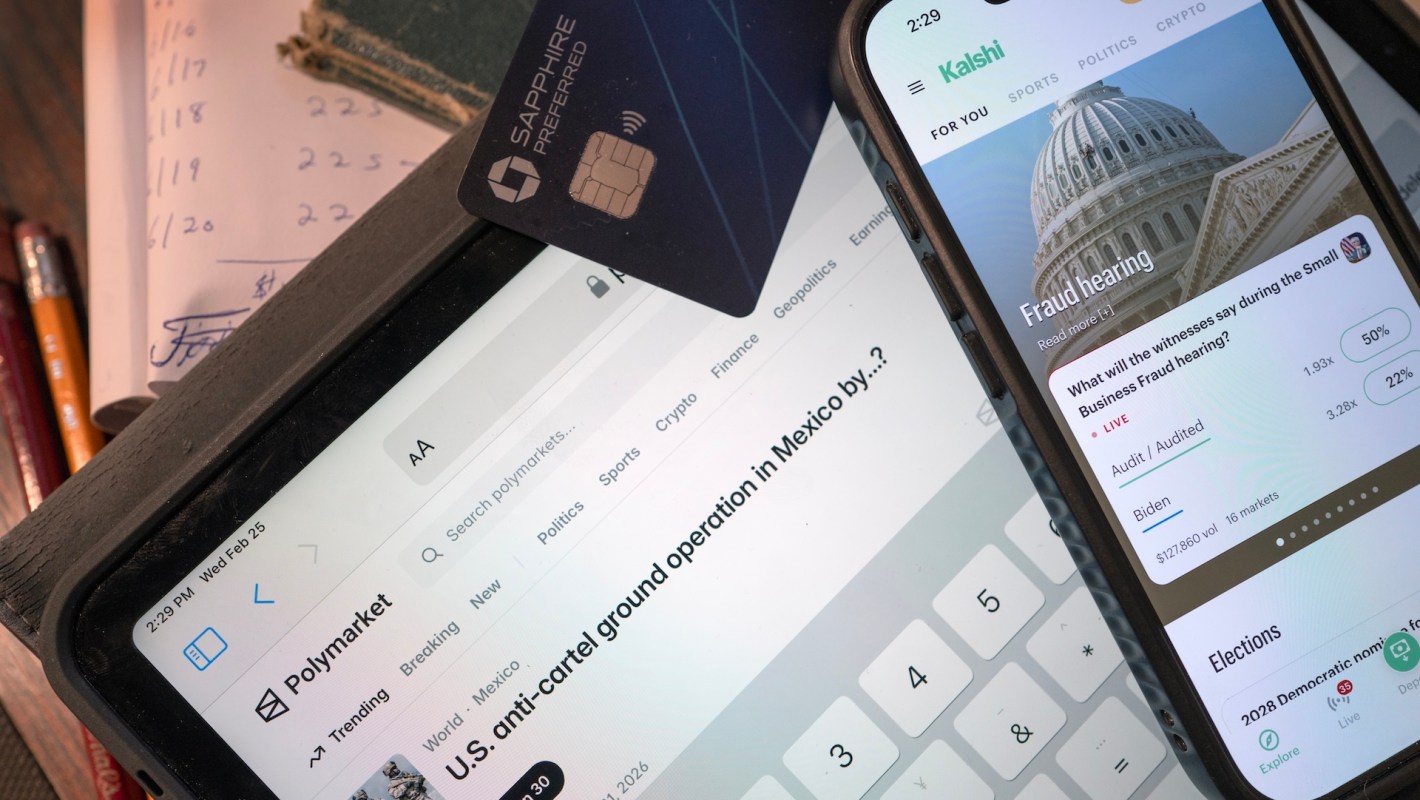
Minnesota has become the first state in the country to outlaw prediction market platforms like Kalshi and Polymarket, setting up a major legal clash over who gets to regulate a fast-growing form of online betting.
The new law, signed by Gov. Tim Walz, comes as states push back against the Trump administration's effort to treat these platforms as federally regulated financial products rather than gambling. The Trump administration has sued the state of Minnesota in response, setting up what will surely be a drawn-out legal battle.
Under the Minnesota law, hosting or promoting a prediction market in the state would be a criminal offense, according to NPR. The law defines those markets broadly as platforms for betting on future outcomes, from sports and elections to weather, live entertainment, world events, and even a person's word choice.
The ban goes further than many other state efforts because it also covers services that help users access the sites, including virtual private networks that can hide someone's location, according to NPR. The law takes effect in August, meaning companies that continue operating in Minnesota could face possible felony charges.
Minnesota is not alone in taking aim at the industry. NPR reported that, according to the National Conference of State Legislators, lawmakers in seven other states have introduced bills targeting prediction markets, while Hawaii and North Carolina are considering statewide bans.
The fight matters because prediction markets have exploded in popularity by offering something that looks a lot like sports betting in places where online gambling is restricted or illegal. In Minnesota, tribal casinos operate legally, but the state does not allow online gambling or sports betting, according to NPR.
TCD Picks » Quince Spotlight
💡These best-sellers from Quince deliver affordable, sustainable luxury for all




That has made services like Kalshi and Polymarket especially controversial. On Kalshi, more than 85% of trading activity is said to come from sports-related contracts, including high-risk "parlays" that combine several outcomes into a single bet. Bettors are now making billions of dollars in trades each week.
The online gambling boom has also raised serious consumer concerns. Questions about insider trading and incentives to manipulate outcomes have only added to the pressure for tougher oversight. Legal experts say the industry has kept growing despite all the uncertainty. "The states are using any tactic they can to go after the prediction market companies," law professor Melinda Roth said.
The Commodity Futures Trading Commission has taken five states to federal court — including Arizona, Wisconsin, and New York — while arguing that it has exclusive authority over these platforms, according to NPR. That position has become a flashpoint because many of the bets involved — from football games to celebrity appearances to words President Trump might say during a press conference — look far removed from traditional commodities regulation.
At the same time, some courts have shown openness to state concerns. In Nevada, NPR reported that a judge found Kalshi's sports betting product "indistinguishable" from state-regulated sports gambling, leading the company to pause that activity there.
Rep. Emma Greenman, the Democrat who introduced the bill, said, "We as a state should decide how best and what regulations we think should attach to gambling, to protect public safety, to protect our kids." Kalshi spokeswoman Elisabeth Diana, meanwhile, called the ban a "blatant violation" of the law.

Get TCD's free newsletters for easy tips, smart advice, and a chance to earn $5,000 toward home upgrades. To see more stories like this one, change your Google preferences here.