


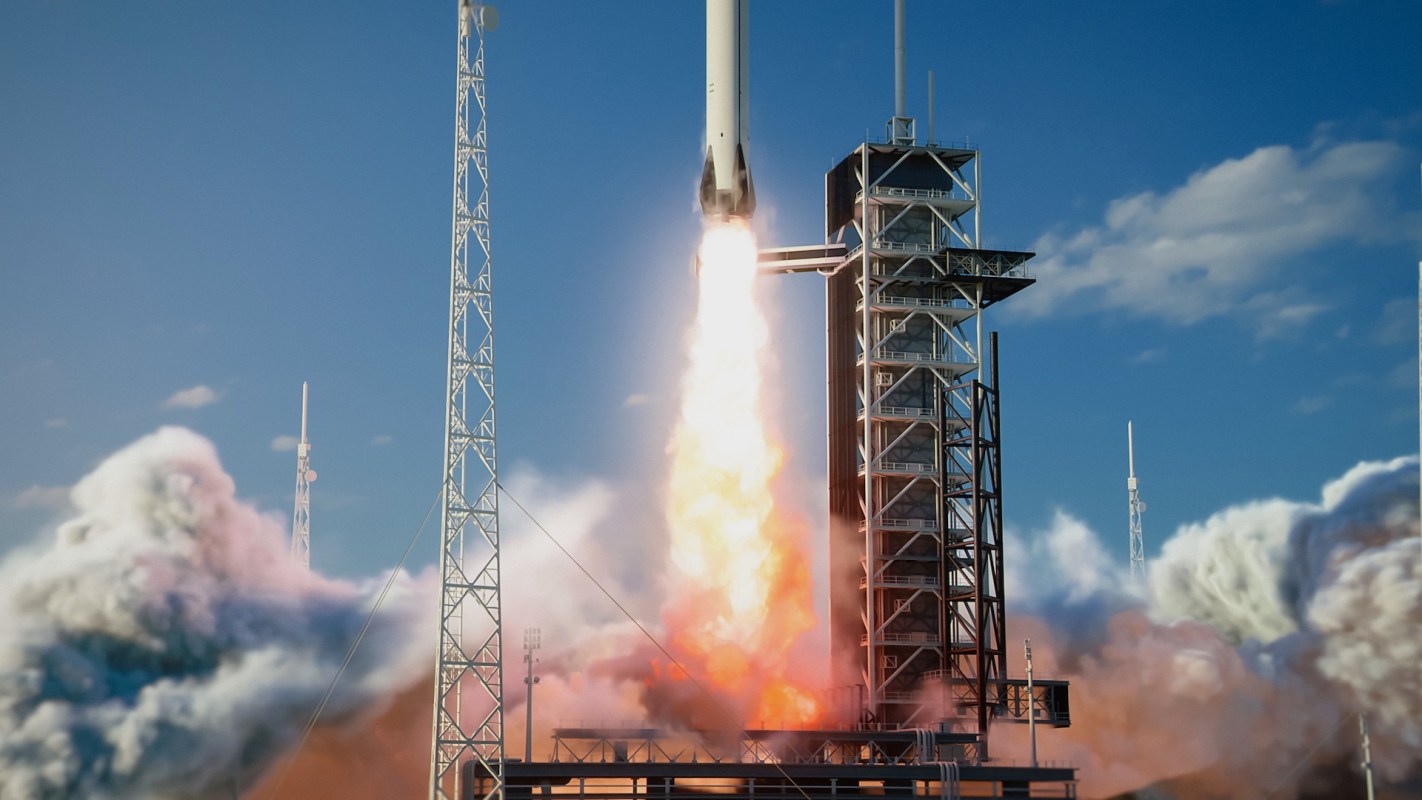
The rapid rise of satellite "megaconstellations," massive networks of spacecraft that support internet service, navigation, weather forecasting, and more, is creating a new form of pollution high above Earth.
A study, published in the journal Earth's Future, has warned that the race to place thousands more satellites into low-Earth orbit could turn the upper atmosphere into an increasingly polluted, heat-altering zone, with effects that may ultimately be felt far below.
What's happening?
As Earth.com summarized, researchers at University College London found that pollution tied to satellite megaconstellations may represent almost half of the space industry's overall climate impact by the end of the decade.
The study analyzed rocket launches and satellite deployments from 2020 through 2022 and projected conditions out to 2029.
It estimated that megaconstellations made up roughly 35% of the space sector's climate impact in 2020, with that share rising to about 42% by 2029.
A major reason is soot. Unlike pollution from cars or factories, rocket emissions are released directly into the upper atmosphere, where they can remain for years.
TCD Picks » Quince Spotlight
💡These best-sellers from Quince deliver affordable, sustainable luxury for all




Researchers said that black carbon from rockets has about 540 times the climate effect of soot released near Earth's surface. By 2029, the space industry could be emitting around 870 tons of soot annually, roughly matching the yearly output of all passenger cars in the United Kingdom, according to Earth.com.
The satellite boom is being driven largely by private companies. SpaceX's Starlink network already has nearly 12,000 satellites in orbit, and Amazon and Chinese operators are developing competing systems. Launch activity has also climbed sharply, reaching 329 in 2025. A comparatively modest 114 were put into orbit in 2020.
"Rocket launches are a unique source of pollution, injecting harmful chemicals directly into the upper layers of the atmosphere and contaminating Earth's last remaining relatively pristine environment," lead author Dr. Connor Barker said, per Earth.com.
Why is satellite pollution concerning?
The issue matters because many of the conveniences people rely on, like streaming, GPS, internet access, and real-time weather data, are increasingly supported by a business model that sends up more rockets, more often, and replaces satellites every few years.
That rapid-turnover system may help companies grow, but it pushes environmental risks onto the public.
The study found that soot and other particles accumulating in the upper atmosphere could cut the amount of sunlight reaching Earth's surface.
"The cooling effect from the reduction in sunlight that we calculate with our models may sound like a welcome change against the backdrop of global warming, but we need to be extremely cautious," UCL professor Eloise Marais said.
Changes like that could alter rainfall patterns, agriculture, ecosystems, and weather systems in ways scientists still do not fully understand.
There are ozone concerns as well. Rocket launches can emit ozone-harming chemicals, such as chlorine, and particles from launches and satellite burn-ups may speed up those reactions.
The study said the ozone impact is still modest for now, at roughly 0.02% worldwide depletion by 2029, but future damage will depend heavily on the fuels companies choose as the industry expands.
Activity above Earth can still have consequences below. If the industry continues scaling up with limited guardrails, people on the ground could end up facing the consequences through altered weather and greater environmental instability.
What's being done about satellite pollution?
The clearest message from the study is that there is still time to respond, but so far, there has been little meaningful regulation of the problem.
Researchers said stronger oversight is needed before this pollution becomes much harder to reverse. Marais described the current situation as "a small-scale, unregulated geoengineering experiment" and said the world still has a chance to step in early.

Get TCD's free newsletters for easy tips, smart advice, and a chance to earn $5,000 toward home upgrades. To see more stories like this one, change your Google preferences here.






