


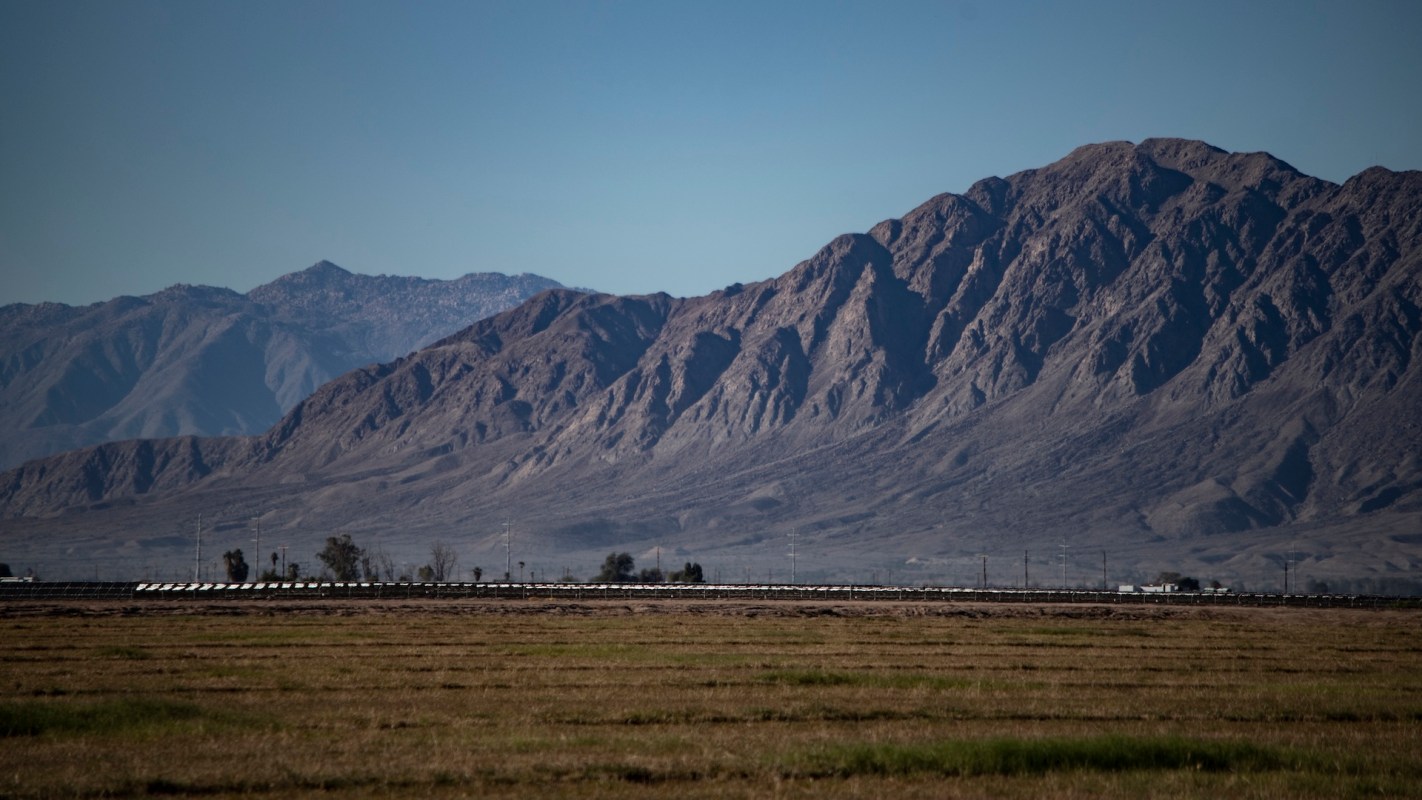
A proposed ban on large data centers in California's Imperial County is facing a court challenge from residents who say the measure reaches far beyond land use.
According to a lawsuit filed in Imperial County Superior Court, the initiative would not only target energy-intensive server campuses but also reshape how the local government handles projects and penalize officials involved in processing them, the Imperial Valley Press reported.
Five Imperial County residents, Tom Dubose, Kevin Smith, Ryan Dickerson, Daryl Dickerson, and Carl Stills, filed suit on April 30 to block the proposed Imperial County Data Center Prohibition Act before it can qualify for the ballot. The petition argues that the measure violates California's single-subject rule for ballot initiatives.
At the center of the dispute is a proposal that would ban data centers in the county's unincorporated areas if they meet thresholds such as using 5 megawatts of power, spanning at least 1 acre, or containing 10,000 square feet of equipment space.
But the lawsuit says the proposal does much more than prohibit large facilities. According to the filing, county workers could face misdemeanor penalties for processing data center applications; officials with data center developer ties in the previous five years could be kept out of related county matters; and any registered voter could sue the county, officials, or developers over permits.
Judge L. Brooks Anderholt has been assigned the case. If the court finds the measure legally defective, it could stop the registrar of voters from processing it further.
TCD Picks » Quince Spotlight
💡These best-sellers from Quince deliver affordable, sustainable luxury for all




The legal fight reflects a broader tension playing out in communities across the country over the rapid expansion of AI-linked infrastructure.
Artificial intelligence can improve grid operations; forecast energy demand; and support cleaner, more efficient power systems. But large AI and cloud computing campuses also demand enormous amounts of electricity and water, particularly in hot regions where cooling needs are high.
That makes the dispute about more than local procedure. Imperial County sits in a desert region where water supply, air quality, and public health are already major concerns. Supporters of the initiative say massive server farms could place more pressure on the Colorado River and the Salton Sea while increasing risks tied to toxic dust exposure and asthma.
The residents challenging the measure, however, say voters are being asked to approve a package that reaches deeply into day-to-day county administration. In their view, that raises the stakes not only for permitting and governance but also for future economic development and how local rules are enforced.
The petitioners are asking the judge to keep the proposal from reaching voters. Their arguments focus on the initiative's scope, including its enforcement provisions, its restrictions on future amendments, and a retroactivity clause they say unlawfully reaches back to applications filed as early as April 2.
Supporters of the initiative are continuing to pursue the ballot process. The measure was filed with the county elections office April 2, and Imperial County counsel is preparing the ballot title and summary. Once that is finalized, supporters would need to collect the required signatures for placement on a ballot.
For residents, the case is a reminder to read local ballot proposals closely. Measures presented as one issue can include provisions that affect public spending, permitting, legal liability, and how county officials do their jobs.

Get TCD's free newsletters for easy tips, smart advice, and a chance to earn $5,000 toward home upgrades. To see more stories like this one, change your Google preferences here.






