


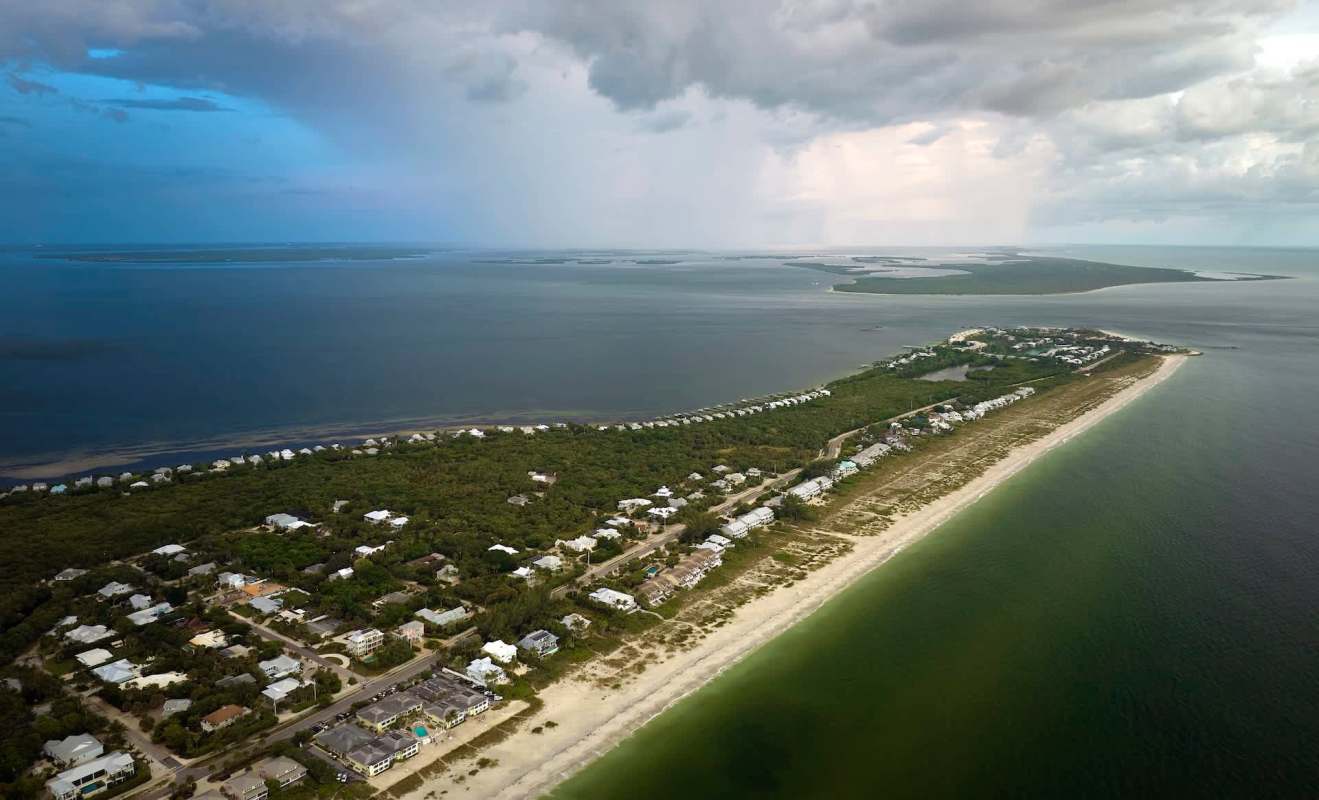
As Atlantic hurricane season nears, some South Florida homeowners are making a risky financial decision: dropping home insurance altogether.
In a state where premiums are among the highest in the nation, some residents in places like Miami-Dade and Fort Lauderdale say the cost has become too much to bear. But in a region repeatedly hit by flooding, tornadoes, and powerful storms, going without coverage can leave homeowners exposed when disaster strikes.
What is self-insuring?
Self-insuring means a homeowner chooses not to carry property insurance and instead sets money aside to pay for future damage out of pocket.
That decision often comes after a mortgage is paid off. While a home loan is active, lenders typically require insurance. Once that obligation is gone, some homeowners decide they would rather take on the risk themselves than continue paying high premiums year after year.
Why is self-insuring risky?
In South Florida, the stakes are especially high. The region is one of the most vulnerable in the country when it comes to severe weather, and skipping insurance can turn a single storm into a devastating financial setback.
At the same time, the cost of coverage keeps pushing more homeowners toward that choice. Bankrate data cited by CBS News showed Florida had the third-highest average home insurance costs in the country, behind Nebraska and Louisiana. Insurance agent Mark Bluh estimated that covering a $400,000 home in Miami-Dade County could cost up to $10,000 a year, with about 60% of that amount for hurricane and wind coverage.
TCD Picks » Quince Spotlight
💡These best-sellers from Quince deliver affordable, sustainable luxury for all




Bluh estimated roughly 15% of South Florida homeowners without mortgages also lack home insurance. "A lot of people have the best intentions," Bluh said. "But after a couple of years, they see money accumulating and think they can hold off."
How does going without insurance affect homeowners?
Storm damage does not wait until a family is financially prepared. South Florida has already seen examples of that in recent months. Before hurricane season even officially began, an EF-0 tornado struck Palm Springs North, damaging homes and leaving residents scrambling. Carlos Varela described the storm as so intense that "you couldn't see anything," as debris flew through the air.
As CBS News reported, Fort Lauderdale homeowner Tony Schrieber faced a different kind of weather-related loss after historic rainfall sent several feet of water into homes in the Edgewood neighborhood. He owned two houses on the same block. One had flood insurance. The other did not.
After paying to repair both properties, Schrieber said that the flood insurance proved worthwhile, calling it reasonable compared with the damage it caused.
His experience also highlights how uneven these choices can be. CBS News also reported that Schrieber has opted not to carry hurricane coverage on one of his properties, describing it as a personal risk calculation. As premiums continue to climb, that kind of trade-off is becoming increasingly common.
Why this gamble is becoming more common in South Florida
Extreme weather events are becoming more intense and more common. Fueled by the burning of coal, oil, and gas, warming our Earth, natural disasters are forcing insurance companies to hike up premiums or pull out of areas completely, as they have in parts of California due to wildfire risk.
For many homeowners, the decision is not about ignoring the danger. It is about trying to keep up with the cost of living.
Even people in the insurance industry say they understand why some homeowners are tempted to self-insure. When annual premiums climb into five figures, it can seem more reasonable to set that money aside instead. But that strategy only works if a homeowner is truly able to save enough to cover a worst-case loss.
For many South Florida residents, that leaves an uncomfortable choice: keep paying some of the highest insurance rates in the country, or take the chance that the next major storm will hit somewhere else.

Get TCD's free newsletters for easy tips, smart advice, and a chance to earn $5,000 toward home upgrades. To see more stories like this one, change your Google preferences here.






