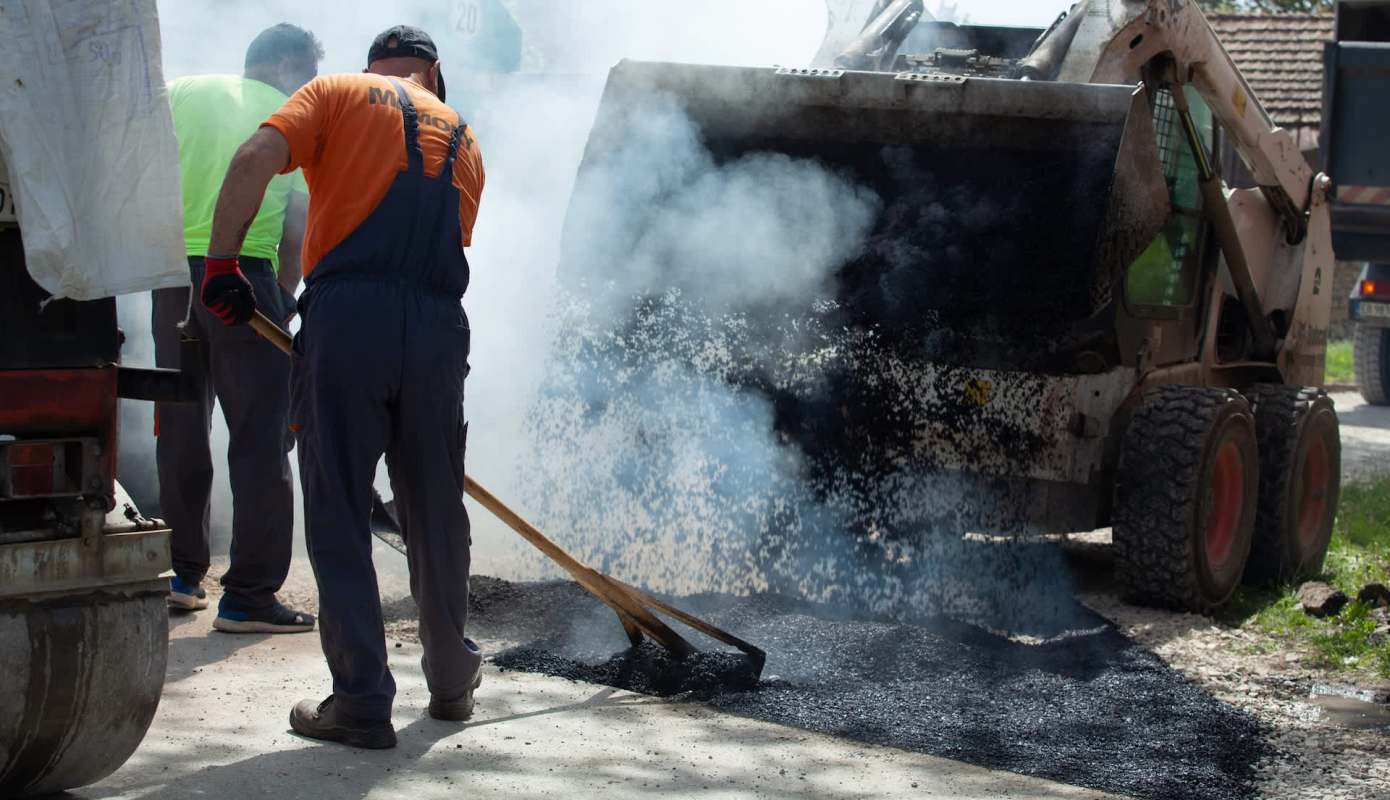
As temperatures climb, the black surfaces people walk, drive, and live around may be doing more than absorbing heat.
New research highlighted by Arizona State University engineering professor Elham Fini suggests that hot asphalt can release compounds linked to human health concerns — and that an algae-based treatment could help reduce the risk, reported NPR.
Asphalt is nearly everywhere, covering roads, parking lots, sidewalks, and rooftops in cities and suburbs alike. The material commonly known as blacktop is made from stone and mineral aggregates bound together with a dark petroleum-based substance left over after crude oil is refined into fuels such as gasoline and jet fuel.
Fini's research team has been studying what happens when that material heats up under the sun.
According to the researchers, asphalt contains countless chemical compounds, some of which become more likely to enter the air at higher temperatures. Among them are benzene and other aromatic chemicals that many people recognize from the smell of hot pavement on a summer day.
Scientists are now examining whether those emissions may contribute to a range of health effects.
TCD Picks » Good Store Spotlight
Get 10% off your next purchase with code TCD10



Fini said her team has already published findings related to possible neurological impacts and is now studying acute respiratory effects as well.
The issue becomes especially important during extreme heat, when roads, rooftops, and parking lots can reach very high surface temperatures. In those conditions, people walking, exercising, commuting, or working outdoors near asphalt could be exposed to more airborne compounds than they realize.
Because asphalt is so widespread, even relatively small emissions could affect large numbers of people.
Unlike a niche industrial material, asphalt is embedded into daily life and urban infrastructure. If hotter summers increase chemical emissions, exposure could become harder for communities to avoid.
Fini described the potential health effects as an "umbrella of impacts," noting that some molecules may pose greater risks than others.
That uncertainty is part of what makes the research significant. Scientists are still working to understand how prolonged exposure to asphalt-related emissions may affect the lungs, brain, and overall human health over time.
To help address the problem, researchers are exploring an unexpected possible solution: algae.
Fini and her colleagues have been testing algae-based materials grown at wastewater treatment facilities. The approach could offer two environmental benefits at once, helping remove excess nutrients from wastewater while also producing material that may reduce harmful asphalt emissions.
Researchers found that the algae's chemistry appears particularly effective at capturing some hazardous compounds released from heated pavement.
"And even though it doesn't reduce the total emission off of asphalt by more than 30-, 40%, it reduces its impact on humans by hundredfold," Fini told NPR.
The current strategy would place the algae-based material close to the pavement surface rather than deep inside the road itself. Researchers say it could be mixed into the top layer of asphalt, where emissions are released most directly into the air.

Get TCD's free newsletters for easy tips, smart advice, and a chance to earn $5,000 toward home upgrades. To see more stories like this one, change your Google preferences here.