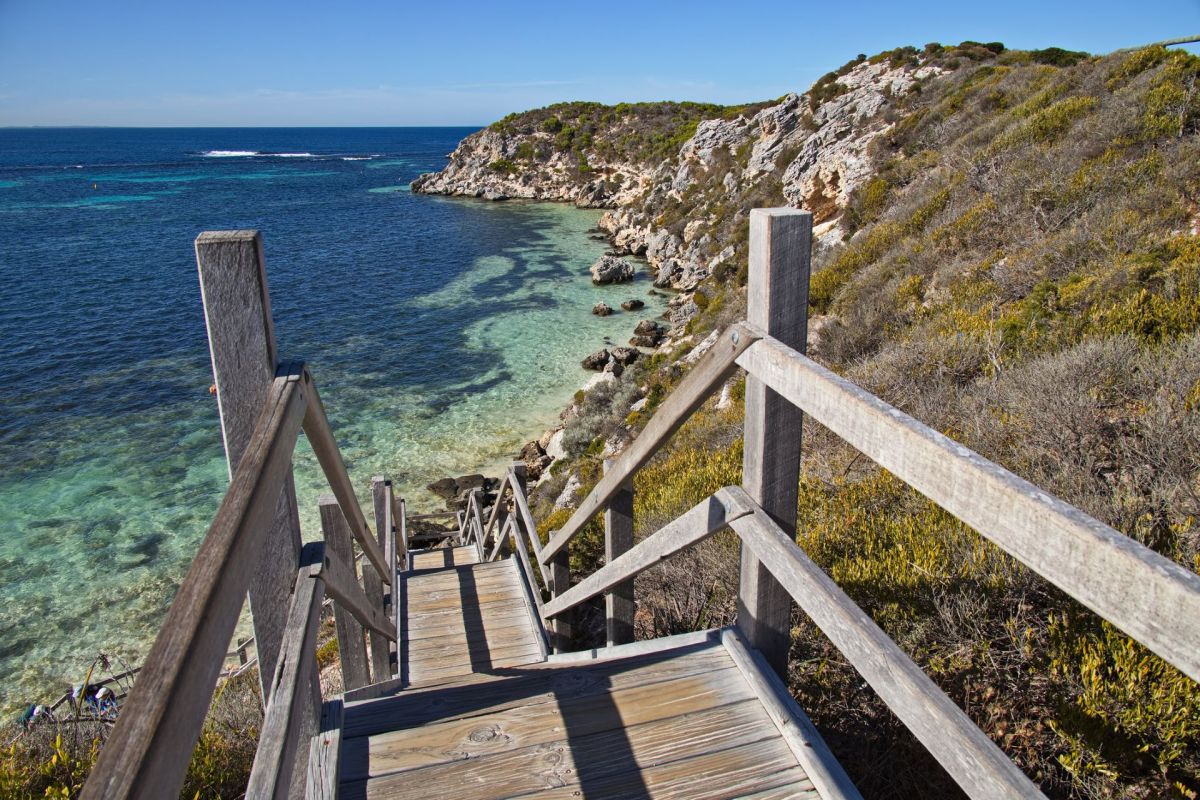
A fatal shark attack at Rottnest Island, a popular vacation destination off Western Australia, is raising fresh concerns about dangerous encounters between people and marine wildlife as ocean conditions change and more people spend time in coastal waters.
According to the Guardian, WA Police said a 38-year-old man died after a suspected shark bite near Horseshoe Reef off Rottnest Island at about 9:55 a.m. Saturday, May 16.
A rescue helicopter was dispatched to the island, located about 12 miles off Fremantle near Perth. Authorities said the man was taken by boat to shore at Geordie Bay, where paramedics treated him, but he could not be revived.
Around the time of the attack, Surf Life Saving WA said a 16-foot white shark had been seen about 85 yards offshore.
The Department of Primary Industries and Regional Development urged people in the Geordie Bay area to use extra caution.
Any fatal shark attack is a human tragedy, especially in a place known for recreation, swimming, and tourism. It also points to a broader reality: Humans and wild animals are increasingly sharing space in ways that can become dangerous.
TCD Picks » EDF Spotlight
💡EDF's Vital Signs newsletter delivers stories about game-changing solutions close to home and around the world



That overlap is often influenced by human activity.
More coastal development, more time spent in the water, heavy tourism, fishing activity, and changing marine ecosystems can all raise the chances of an encounter.
Rising ocean temperatures can also change where sharks and their prey travel, affecting when and where predators appear near beaches and reefs.
Scientists have warned that attacks by wild animals are often less about aggression and more about disrupted habitats, altered food webs, and increased contact with humans. In marine environments, that can mean sharks moving through areas where swimmers, snorkelers, and surfers are also concentrated.
TCD Picks » Quince Spotlight
💡These best-sellers from Quince deliver affordable, sustainable luxury for all




When those changes happen near heavily visited coastlines, risks can increase for both people and wildlife.
In the short term, officials have already issued warnings for the area around Geordie Bay, and temporary advisories or closures are commonly put in place after serious incidents like this one.
More broadly, coastal communities are increasingly relying on nonlethal safety tools such as aerial patrols, tagged shark tracking, drones, beach alerts, and public warning systems to help reduce risk without harming marine animals. These tools can give swimmers and boaters more real-time information while helping authorities respond quickly.
For everyday beachgoers, experts generally recommend following local advisories, avoiding the water when sharks have been sighted, staying out of the water at dawn or dusk, steering clear of areas where baitfish are active, and swimming in groups rather than alone.

Get TCD's free newsletters for easy tips, smart advice, and a chance to earn $5,000 toward home upgrades. To see more stories like this one, change your Google preferences here.