


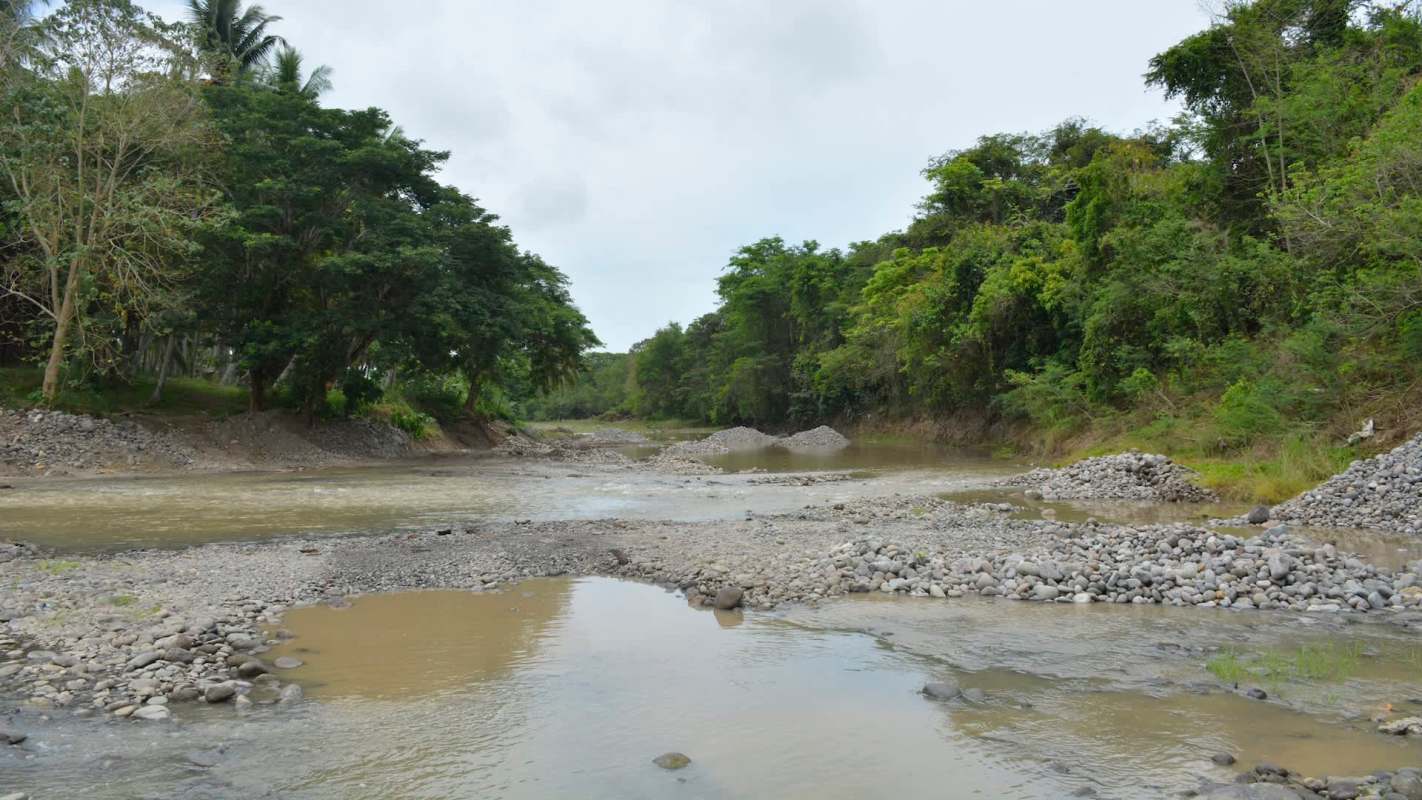
River deoxygenation is emerging as a major global environmental threat, with new research finding that nearly 80% of studied rivers are losing the dissolved oxygen needed to sustain aquatic life.
According to ScienceDaily, the study showed that this decline is widespread and especially severe in tropical rivers, raising concerns for communities that rely on rivers for food, livelihoods, and biodiversity.
What's happening?
Researchers analyzed data from 21,439 river reaches collected between 1985 and 2023. Using a machine-learning approach, they tracked long-term changes in dissolved oxygen across global freshwater systems.
They found an average decline of 0.045 milligrams per liter per decade, with 78.8% of rivers in the dataset showing signs of deoxygenation.
One of the most notable findings was where oxygen loss is occurring most rapidly.
The strongest declines were seen in tropical river systems between 20 degrees south and 20 degrees north latitude, including rivers across parts of India. This challenges earlier assumptions that higher-latitude rivers would be most vulnerable, since warming is often more intense there.
TCD Picks » Quince Spotlight
💡These best-sellers from Quince deliver affordable, sustainable luxury for all




Instead, tropical rivers may be more sensitive because they already tend to have lower baseline oxygen levels, leaving less room for decline before ecosystems are stressed.
The study identified climate-warming effects as the dominant driver, accounting for 62.7% of observed oxygen decline. Heat waves contributed an additional 22.7% globally, increasing oxygen decline by about 0.01 milligrams per liter per decade under extreme conditions.
River flow and human infrastructure also played a role. Both low-flow and high-flow conditions were linked to slightly reduced deoxygenation compared with average flow periods, while dams had mixed effects.
Shallow reservoirs tended to worsen oxygen loss, while deeper impoundments sometimes reduced it locally.
Why does river deoxygenation matter?
Dissolved oxygen is essential for freshwater life. Fish, insects, and microorganisms all depend on it to survive, and it underpins the ecological balance of river systems.
When oxygen levels drop too low, rivers can enter hypoxia, a condition where oxygen is insufficient to support most aquatic life.
This can trigger fish die-offs, loss of biodiversity, and long-term ecosystem degradation.
Rivers supply drinking water, irrigation, fisheries, transportation routes, and cultural and recreational value in many regions of the world. When river health declines, those benefits can weaken as well.
For communities already facing heat stress and water scarcity, the risks are even greater. Tropical regions in particular may be approaching critical thresholds where further oxygen loss could sharply reduce ecosystem resilience.
What's being done about it?
The study provides policymakers with a clearer global picture of where interventions may be most urgently needed, especially in tropical river systems showing the fastest decline.
Researchers emphasize that rising temperatures are quietly reshaping freshwater ecosystems in ways that are easy to overlook but potentially severe in their consequences.
Without intervention, the trend could continue to undermine the stability of freshwater ecosystems that billions of people depend on.

Get TCD's free newsletters for easy tips, smart advice, and a chance to earn $5,000 toward home upgrades. To see more stories like this one, change your Google preferences here.







