


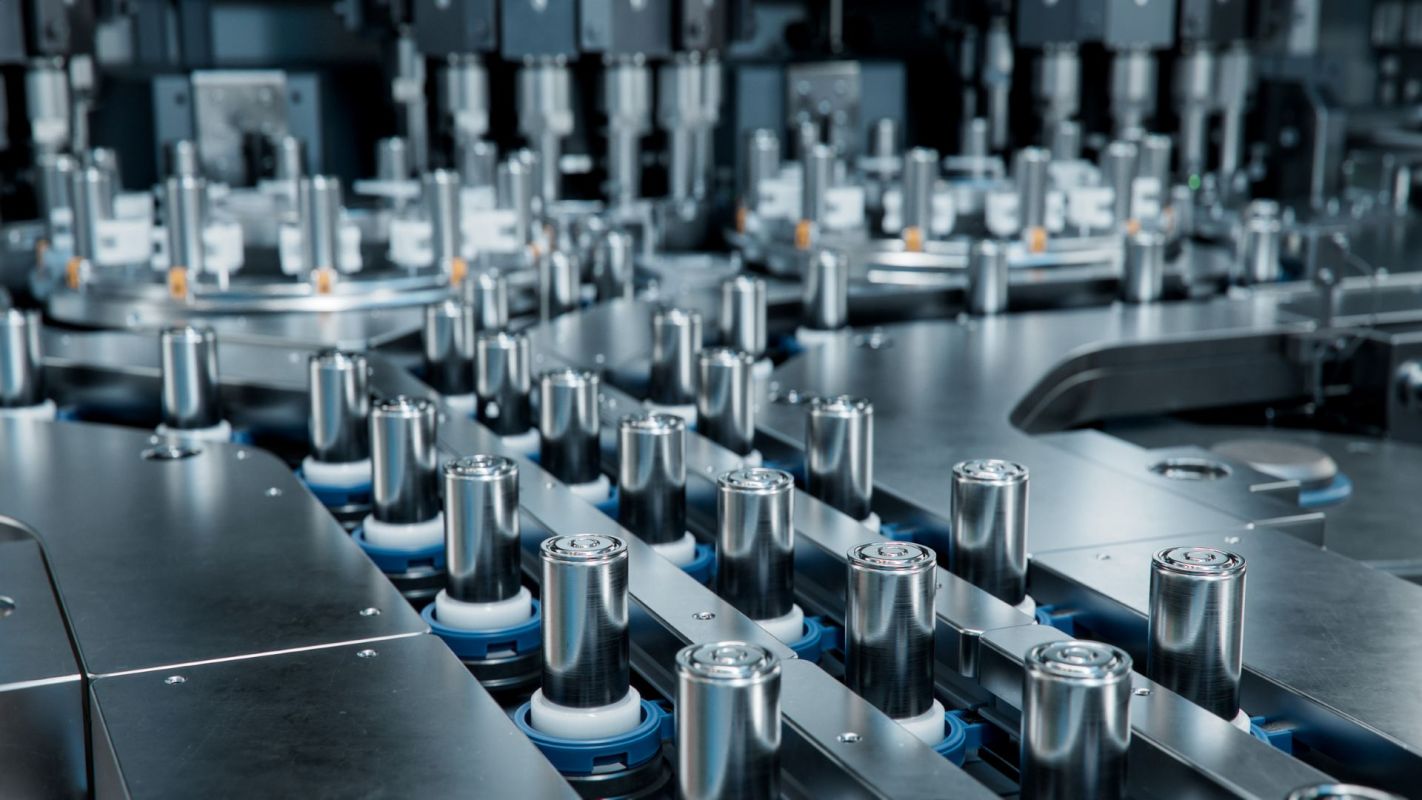
A newly financed battery materials plant in Virginia could strengthen a key part of America's energy storage supply chain.
Microporous has secured final funding for a major manufacturing facility in Danville, paving the way for expanded U.S. production of battery separators — small but essential components that help lithium-ion batteries operate safely and efficiently.
According to BEST, construction on the new facility is expected to begin this month following financing support from Trent Capital Partners, Eagle Point Credit Management, and Elda River Capital Management.
At full capacity, the plant could support roughly 65 gigawatt-hours of lithium-ion battery manufacturing annually for automotive, industrial, and grid-scale energy storage applications. That would make it one of the largest separator manufacturing projects currently under development in the U.S. battery sector.
Battery separators rarely get public attention, but they play a critical role inside lithium-ion batteries. The thin, porous membranes sit between the anode and cathode, preventing short circuits while still allowing ions to flow through the cell.
Without them, modern rechargeable batteries could not function safely.
TCD Picks » Quince Spotlight
💡These best-sellers from Quince deliver affordable, sustainable luxury for all




The Danville facility is part of Microporous' broader expansion strategy, which also includes coated wet-process polyethylene separator production at its Piney Flats, Tennessee, site.
According to the U.S. Department of Energy, the company previously received a $100 million federal award through the Bipartisan Infrastructure Law's Advanced Energy Manufacturing and Recycling Grant Program.
The project matters because separators are foundational to batteries used in electric vehicles, industrial equipment, and large-scale energy storage systems connected to the grid.
Expanding domestic manufacturing of these components could help reduce U.S. dependence on overseas suppliers, particularly in China, Japan, and South Korea, as North America works to localize more of its battery supply chain.
A stronger domestic supply base may also help reduce manufacturing bottlenecks and improve long-term stability for battery producers.
Grid-scale battery storage is becoming increasingly important as utilities add more renewable energy and work to strengthen resilience during extreme weather and power disruptions.
Large battery systems can store electricity generated during periods of lower demand and release it later when demand rises, helping utilities balance the grid more efficiently.
For communities, that could mean more reliable electricity systems, fewer disruptions during outages, and better integration of renewable energy sources such as solar and wind.
For households and businesses, stronger energy-storage infrastructure could eventually help reduce some of the costs associated with power instability and peak electricity demand.
Microporous is now moving the Danville project from financing into active construction. Environmental assessment documents from the Department of Energy identify the effort internally as "Project Stellar."
Federal support currently applies to Phase 1 of the development, though the overall site is expected to expand across four phases, suggesting the Virginia facility could evolve into a major long-term manufacturing hub for battery materials.
As Microporous CEO John Reeves said, per BEST, the financing marks "a pivotal milestone" as the company moves from planning into execution.

Get TCD's free newsletters for easy tips, smart advice, and a chance to earn $5,000 toward home upgrades. To see more stories like this one, change your Google preferences here.






