


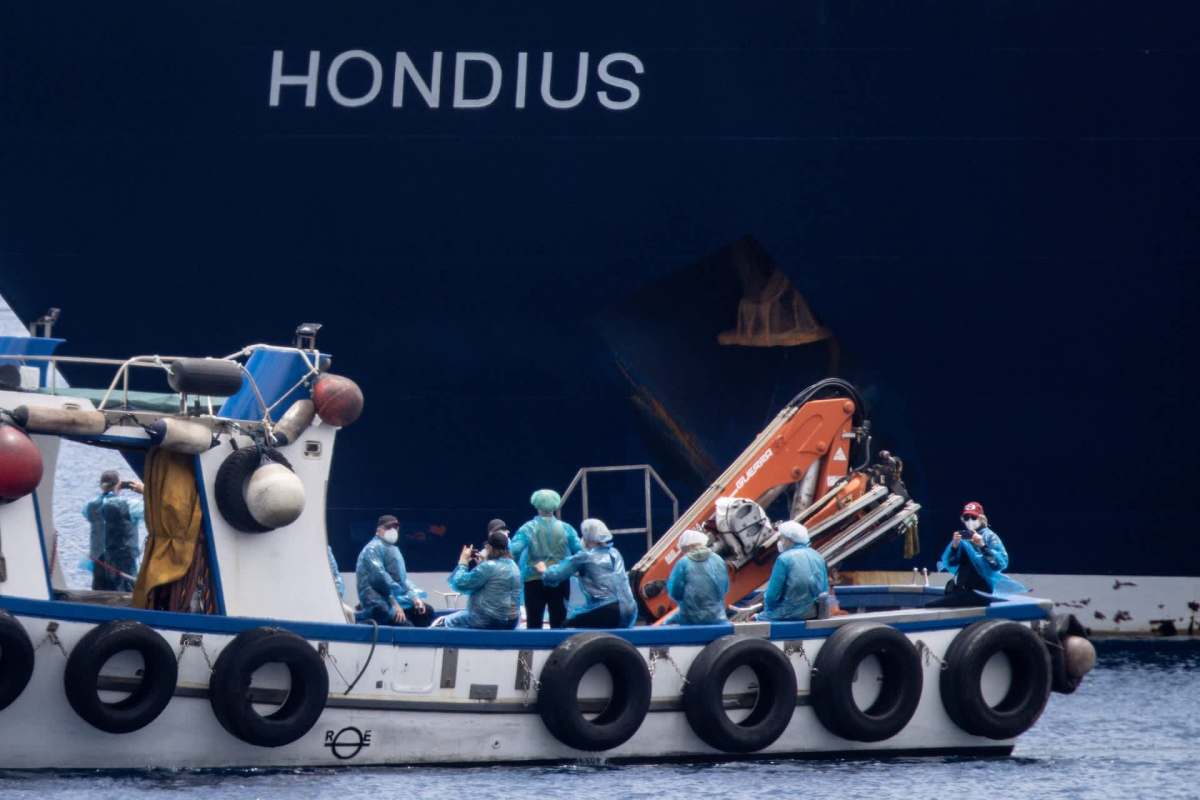
A hantavirus outbreak linked to the MV Hondius cruise ship has garnered worldwide attention following the death of three passengers. Global leaders have poured attention and resources into tracking those affected by the virus, in addition to the passengers aboard the ship where the initial outbreak occurred.
Unfortunately, the outbreak is also the latest public health story to be overtaken by social media misinformation, according to Wired.
Across X, Instagram, Facebook, and TikTok, conspiracy accounts and wellness influencers have seized on the news to promote unproven treatments and sell emergency kits, especially ones containing ivermectin.
The World Health Organization said that no research shows ivermectin effectively treats hantavirus, and experts warn that online rumors can shape public behavior long before reliable guidance catches up, Wired reported.
NOW - WHO confirms that Ivermectin is not an effective treatment for Hantavirus and reiterates that "the risk is low for the general population." pic.twitter.com/8nT19cmTPy
— Disclose.tv (@disclosetv) May 8, 2026
One of the most widely shared posts about the disease came from physician and longtime ivermectin advocate Mary Talley Bowden, who wrote on X, without citing any scientifically proven trials, that "ivermectin should work against it."
Wired reported that the post drew millions of views, and Bowden later said she was selling ivermectin to Texans and thus has a financial stake in whether the drug is purchased for this purpose.
TCD Picks » Quince Spotlight
💡These best-sellers from Quince deliver affordable, sustainable luxury for all




The post spread quickly through many of the same online communities that amplified COVID-19 misinformation. Other prominent accounts joined in with unsupported claims about vitamins, vaccines, and pharmaceutical conspiracies. Some of those same influencers also promoted expensive "contagion" kits containing ivermectin and hydroxychloroquine, turning a breaking health story into a marketing opportunity.
Another false claim suggested that COVID-19 vaccines somehow cause hantavirus. Reuters reported that a screenshot shared from Pfizer regulatory documents proved that it was, in fact, not a side effect of the COVID-19 vaccine.
In actuality, hantavirus is caused by inhaling airborne particles from the contaminated urine or droppings of infected rodents, and typically requires prolonged contact with infected bodily fluids to spread from human to human. In the MV Hondius case, the "patient zero" of the cruise, Leo Schilperoord, was a Dutch bird watcher who had picked up the disease from rodent exposure at a landfill site while trying to observe birds. He died April 11, and his wife died later in the month.
Researchers say the broader pattern is now familiar. Epidemiologist Katrine Wallace told Wired that "one of the most striking shifts since the Covid pandemic is how rapidly misinformation narratives now organize themselves around emerging outbreaks."
That dynamic can have real consequences. Misleading advice may lead people to spend money on ineffective treatments, delay proper medical care, or take drugs that can cause side effects or interact with other medications.
The incident also highlights how much social media now shapes public understanding of health news. A recent Pew Research Center study, cited by Wired, found that roughly half of Americans under 50 turn to podcasts and influencers for health and wellness information. That helps explain why misinformation tied to a single outbreak can spread so broadly and so quickly, and why it can be lucrative for the people selling supposed solutions.
"What concerns me is that this increasingly functions less like isolated viral misinformation and more like a standing information ecosystem that can rapidly attach itself to any new health event," Wallace said.

Get TCD's free newsletters for easy tips, smart advice, and a chance to earn $5,000 toward home upgrades. To see more stories like this one, change your Google preferences here.






