


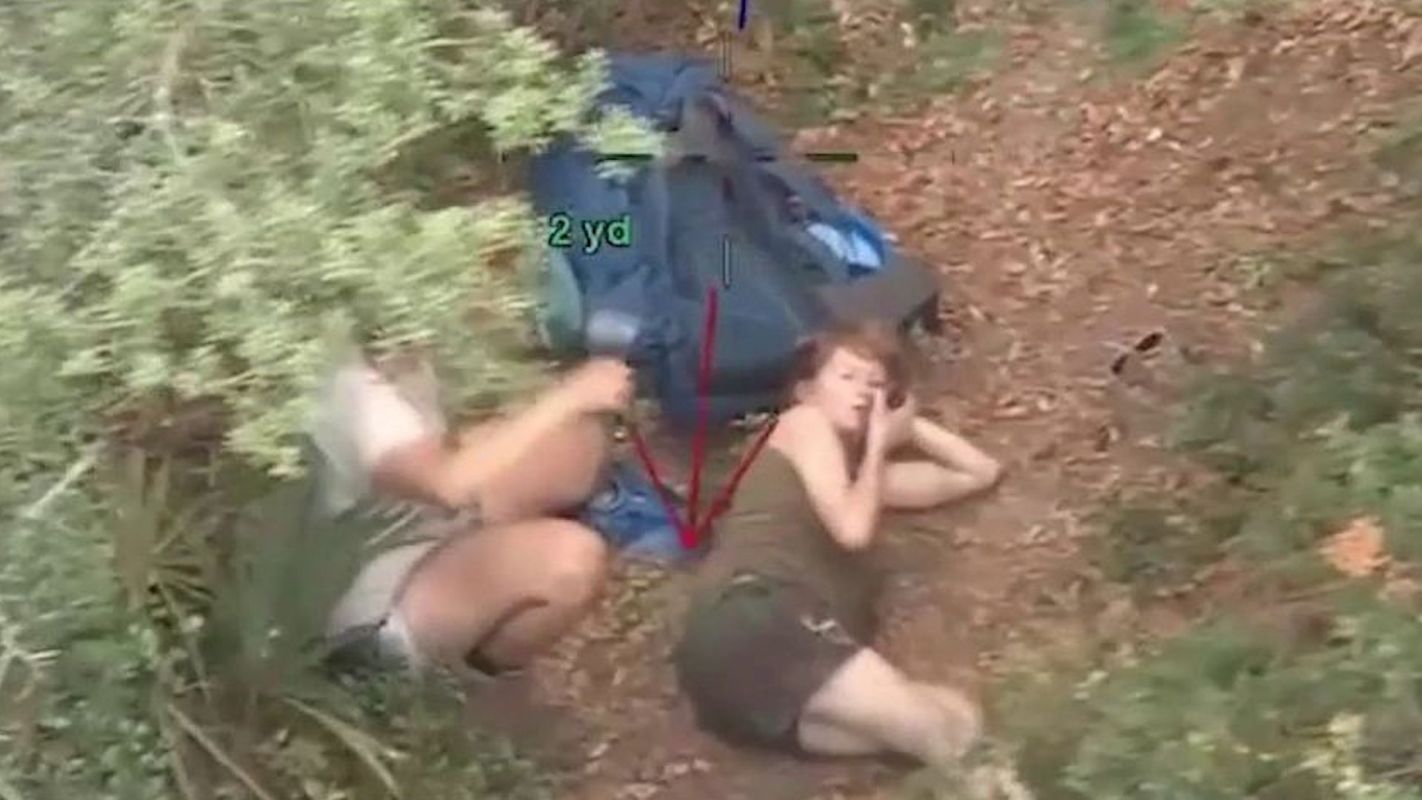
Extreme heat turned a Florida hike into a dangerous rescue mission after a pregnant woman, her partner, and their dogs ran low on water in a remote wilderness area.
The incident is a sobering reminder that higher temperatures and heavy humidity can make even routine outdoor plans far more dangerous, especially in places where emergency help may be far away.
What happened?
Officials in Marion County, Florida, said emergency crews were dispatched on May 8 to the Juniper Prairie Wilderness in Ocala National Forest after authorities received a report that a couple on the Florida National Scenic Trail was experiencing heat exhaustion.
According to AccuWeather, citing the Marion County Sheriff's Office, the hikers told 911 dispatchers they had misjudged the heat and had less water than they needed, with more than an hour still left in their hike. Authorities said the woman, who was around 25 weeks pregnant, was showing clear symptoms of heat exhaustion.
Marion County Fire Rescue, the sheriff's office, and the U.S. Forest Service all responded to the scene. The sheriff's office said an air unit helped crews move through the remote area and locate the group more quickly. After the woman was treated for dehydration with IV fluids, the couple and their dogs were evacuated safely.
Temperatures in the county that day were reported to range from roughly 86 to 90 degrees, though humidity and direct sunlight likely made it feel significantly hotter.
TCD Picks » Quince Spotlight
💡These best-sellers from Quince deliver affordable, sustainable luxury for all




Why is this rescue concerning?
The emergency highlights how quickly extreme heat can become dangerous. Heat exhaustion can lead to heavy sweating, dizziness, nausea, muscle cramps, headaches, fatigue, and a rapid pulse. Without quick treatment, it can escalate to heatstroke, a life-threatening condition that can damage the brain, heart, kidneys, and muscles.
Pregnant people, older adults, young children, outdoor workers, and anyone spending extended time outside can face increased risks during hot weather. Pets are especially vulnerable, particularly when they are active and do not have enough water.
As rising global temperatures bring longer and more intense periods of heat to more communities, heat-related emergencies are becoming a growing public health concern. And the risks extend well beyond hiking trails.
Worsening extreme weather can threaten lives and livelihoods by sending more people to emergency rooms, putting additional strain on first responders, disrupting outdoor jobs, and increasing medical and recovery costs for families and communities. In areas that depend on tourism, agriculture, and outdoor labor, dangerous heat can also reduce productivity and weaken local economic stability.
That is part of the reason it is important to understand the larger forces behind worsening weather risks.
What's being done about extreme heat?
Preparation can make a major difference. Anyone planning to spend time outdoors on hot days should check the forecast, consider humidity levels, carry more water than they think they will need, avoid the hottest part of the day, and turn back early if conditions start to worsen.
Hikers should also tell someone where they are going, take a fully charged phone, and understand the warning signs of heat illness before heading out.
People who are pregnant or have other health concerns may need to be more careful and may want to speak with a doctor before doing strenuous outdoor activity in high heat. Pet owners should also plan for frequent water breaks, shade, and shorter outings when temperatures rise.
At the community level, better heat alerts, public cooling spaces, more shaded infrastructure, and clearer trail-safety messaging could all help reduce the risk of emergencies like this one. As dangerous heat becomes more common in more places, steps like these could help save lives.

Get TCD's free newsletters for easy tips, smart advice, and a chance to earn $5,000 toward home upgrades. To see more stories like this one, change your Google preferences here.







