


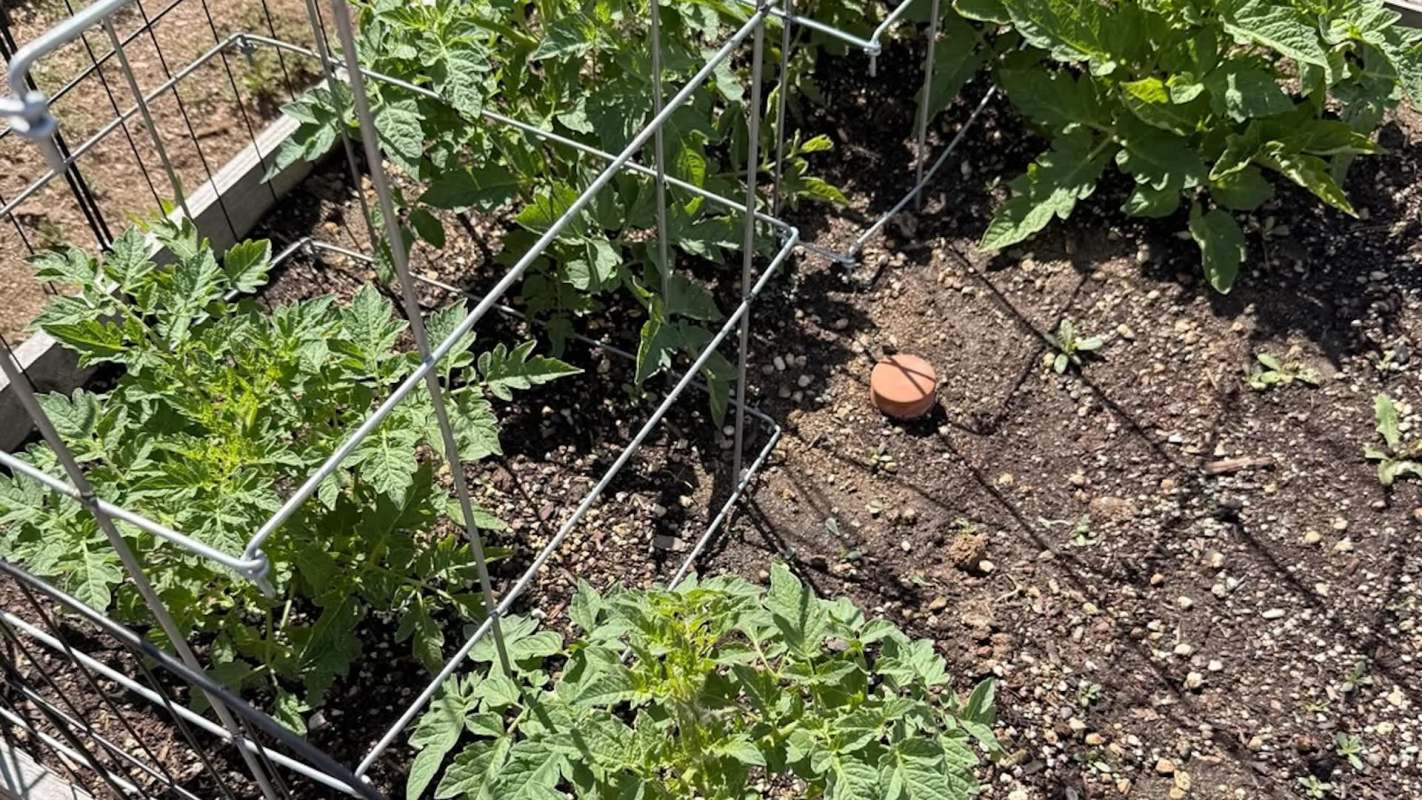
A simple buried clay-pot technique is winning over gardeners struggling through scorching summers and fast-draining soil.
In a Reddit post, one Southern California gardener shared how an olla, an unglazed clay pot buried in the garden and filled with water, helped revive a struggling tomato bed after years of battling heat, sandy soil, and plants that withered by August.
For gardeners in hot, dry climates, keeping soil consistently moist can feel nearly impossible, especially when water evaporates as quickly as it's poured on.
That's what makes ollas so effective. Instead of watering from above, they slowly release moisture underground right where plant roots need it most.
The Redditor explained that they had spent six years trying to garden successfully at home with only limited results.
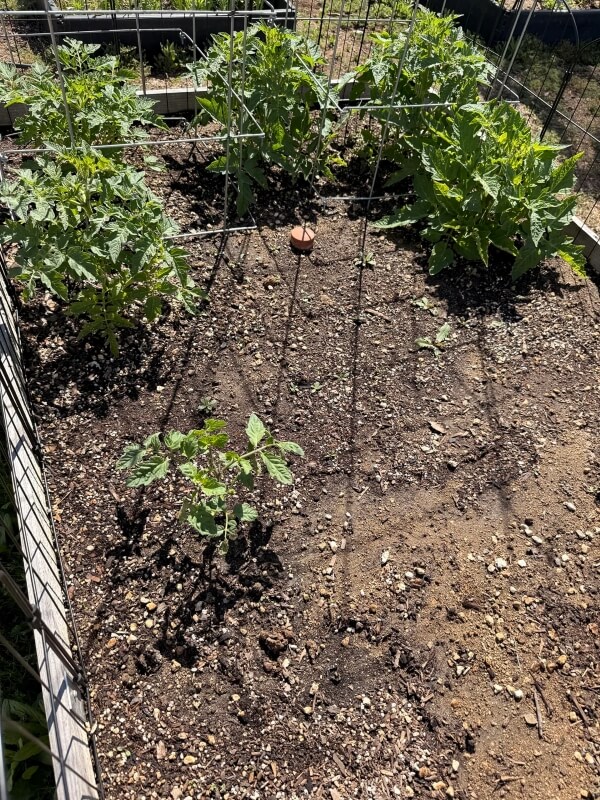
This season, they made two changes: mixing clay into the soil to improve water retention and placing an olla in the center of the tomato bed.
TCD Picks » Quince Spotlight
💡These best-sellers from Quince deliver affordable, sustainable luxury for all




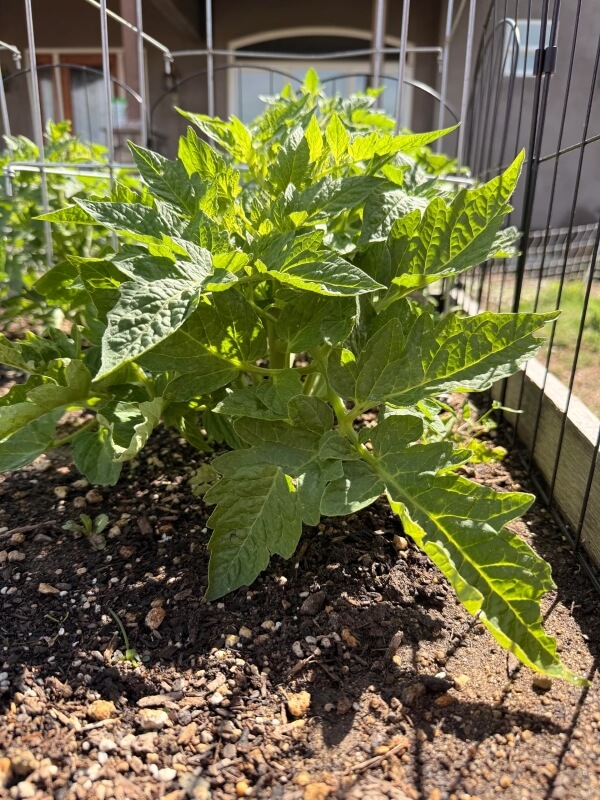
"WOW," they wrote. "The plants surrounding the olla are so healthy and strong."
The setup even created an accidental comparison test. A few tomato plants sat beyond the buried pot's watering range, and while the plants near the olla thrived, three of the others died. The lone survivor remained stunted despite receiving the same fertilizer and surface watering.
Meanwhile, the clay pot itself only needed refilling every two to three days.
For anyone interested in trying the method, the process is relatively simple. An olla is buried in the soil, with only its neck exposed above ground.
Once filled with water, the porous clay slowly releases moisture into the surrounding soil as it dries out. Many gardeners also add mulch around the area to further reduce evaporation.
The biggest advantage is straightforward: healthier plants with less frequent watering and less guesswork.
In extremely hot climates, that can mean the difference between a productive vegetable garden and a bed full of stressed, scorched plants.
Over time, the technique may also help reduce water waste and protect the money gardeners already spent on seedlings, fertilizer, and soil.
Growing food at home can also lower grocery costs as well, especially for expensive produce like tomatoes, peppers, and fresh herbs. Many gardeners also prefer the flavor of homegrown produce, since it can be harvested at peak ripeness instead of being shipped long distances.
There are mental and physical benefits, too. Gardening encourages outdoor activity, regular movement, and routines that many people find calming and rewarding.
Commenters were enthusiastic about the technique.
"Not me ordering some right now lol," one commenter wrote. "Never heard of these before, thanks for the tip!"
"Sometimes the thousands-of-years-old technology is the best one," another added.

Get TCD's free newsletters for easy tips, smart advice, and a chance to earn $5,000 toward home upgrades. To see more stories like this one, change your Google preferences here.






