


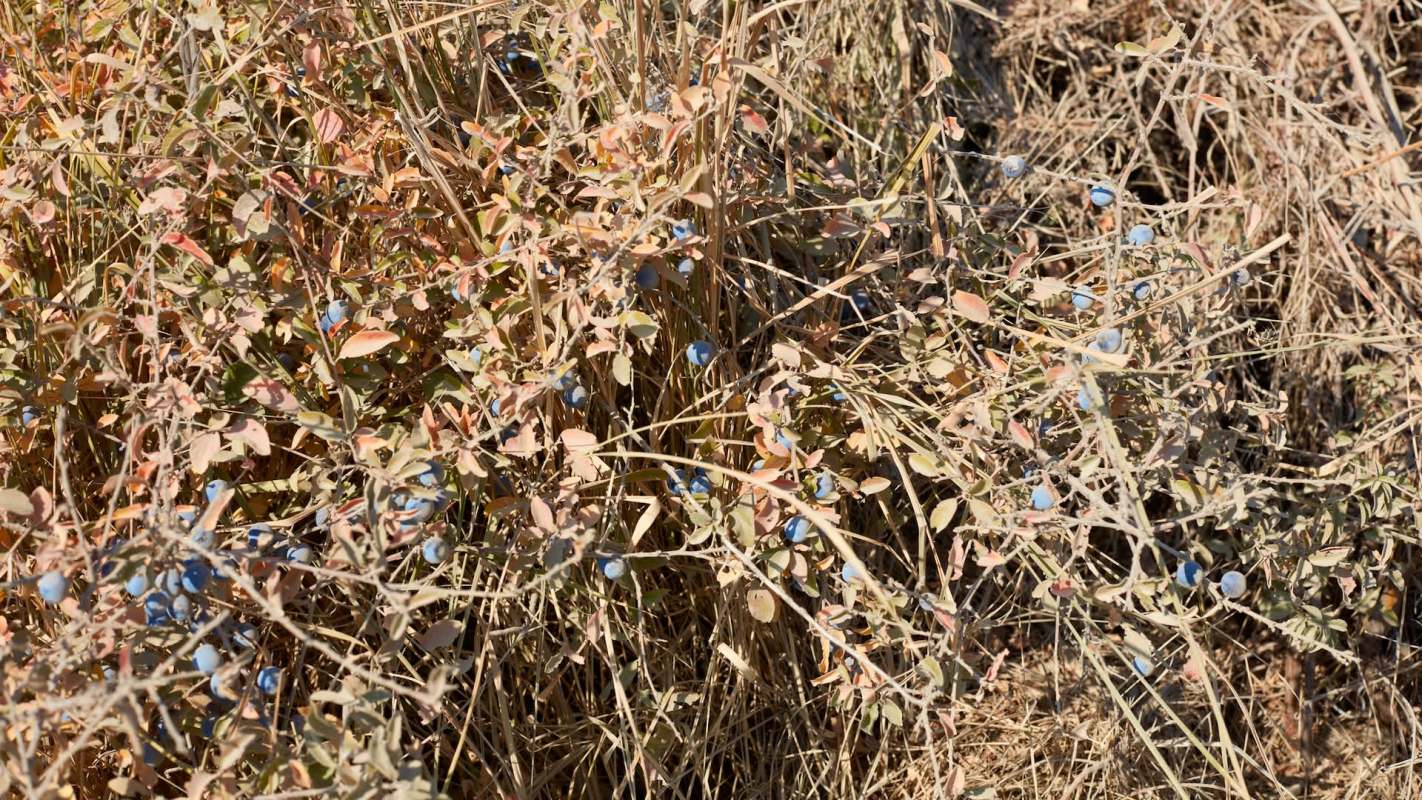
One of Maine's signature foods, wild blueberries, is struggling under a punishing combination of drought, heavy rain, heat, and surprise frosts. Growers say the damage is no longer a rare setback — it's becoming part of the job.
What's happening?
At Crystal Spring Farm near Brunswick, last summer's drought stressed blueberry plants so severely that leaves turned red early and much of the fruit dried out before it could ripen.
According to Inside Climate News, Farmer Seth Kroeck said the farm brought in only about 7% of its expected 2025 harvest, the latest in a run of weather-related losses threatening a crop deeply tied to Maine's economy, identity, and rural communities. Kroeck said his farm has nearly lost its blueberry crop three times in the past seven years.
Researchers and growers say the situation is worsening as temperatures rise and weather swings become more extreme. Maine saw severe drought in 2020, 2022, and 2025, but 2023 was also one of the wettest years on record for the state. That rapid swing from overly wet conditions to intense dryness is what University of Maine Cooperative Extension wild blueberry specialist Lily Calderwood described as "a classic example of climate whiplash."
The financial damage is significant. According to ICN, the Maine Wild Blueberry Commission put the industry's 2025 losses at $30 million. Many farms reportedly lost a third to half of their typical yields, while some fields were not harvested at all because the berries had effectively dehydrated on the plants.
That is a major hit to a crop that yielded close to 88 million pounds in 2023 and generated $361 million for the state.
TCD Picks » Quince Spotlight
💡These best-sellers from Quince deliver affordable, sustainable luxury for all




Farmers are also dealing with timing shifts. ICN reported that wild blueberries have been maturing sooner than they used to, with harvest sometimes shifting from early or mid-August to late July. Hot weather can also compress the picking period, leaving farms to organize more workers and equipment on a tighter schedule.
As Calderwood explained, the plants need consistent moisture throughout the growing season. Without it, "they will shrivel and drop to the ground before a farmer can get to them."
Why are wild blueberry farms important?
This goes well beyond one disappointing harvest.
According to ICN, Maine supplies almost the entire U.S. market for commercially sold wild blueberries, and the crop is woven into the state's cultural identity much like lobster rolls and whoopie pies. Losing more wild blueberry farms would mean economic hardship for growers, workers, and local communities. It would also mean losing a food tradition that has been part of the region for centuries.
The risks also build over time. Wild blueberries bear fruit every other year, so stress in one season can reduce production in the next. A drought not only shrinks the current crop. It can also weaken the plants that will be responsible for future harvests. Late spring frosts can wipe out flower buds, while unusually warm autumn weather can trigger out-of-season blooming that drains the plants before winter.
Crop insurance can help, but repeated bad years lower the historical average used to calculate payouts. That means farms facing repeated losses may end up with a smaller safety net precisely when they need more support.
If this trend continues, the farms most likely to survive may be the largest operations with sufficient capital to invest in protective systems, leaving smaller growers behind and weakening local food resilience.
What's being done about wild blueberry farms?
Researchers and farmers are working on ways to help the crop adapt, but many of the most promising solutions come with a high price tag.
At the University of Maine and the Wyman's Wild Blueberry Research and Innovation Center, scientists are in the middle of a multiyear study examining how wild blueberries respond to hotter temperatures, shifting rainfall, irrigation, and mulching. Some plants are being grown under increased heat, while others are being tracked under different watering and soil-management conditions to see which conditions improve resilience.
So far, irrigation appears to be one of the most effective tools for reducing drought damage. Mulch can also help by keeping soil cooler, slowing evaporation, and suppressing weeds, but experts say it is not enough on its own during severe drought.

Get TCD's free newsletters for easy tips, smart advice, and a chance to earn $5,000 toward home upgrades. To see more stories like this one, change your Google preferences here.







