


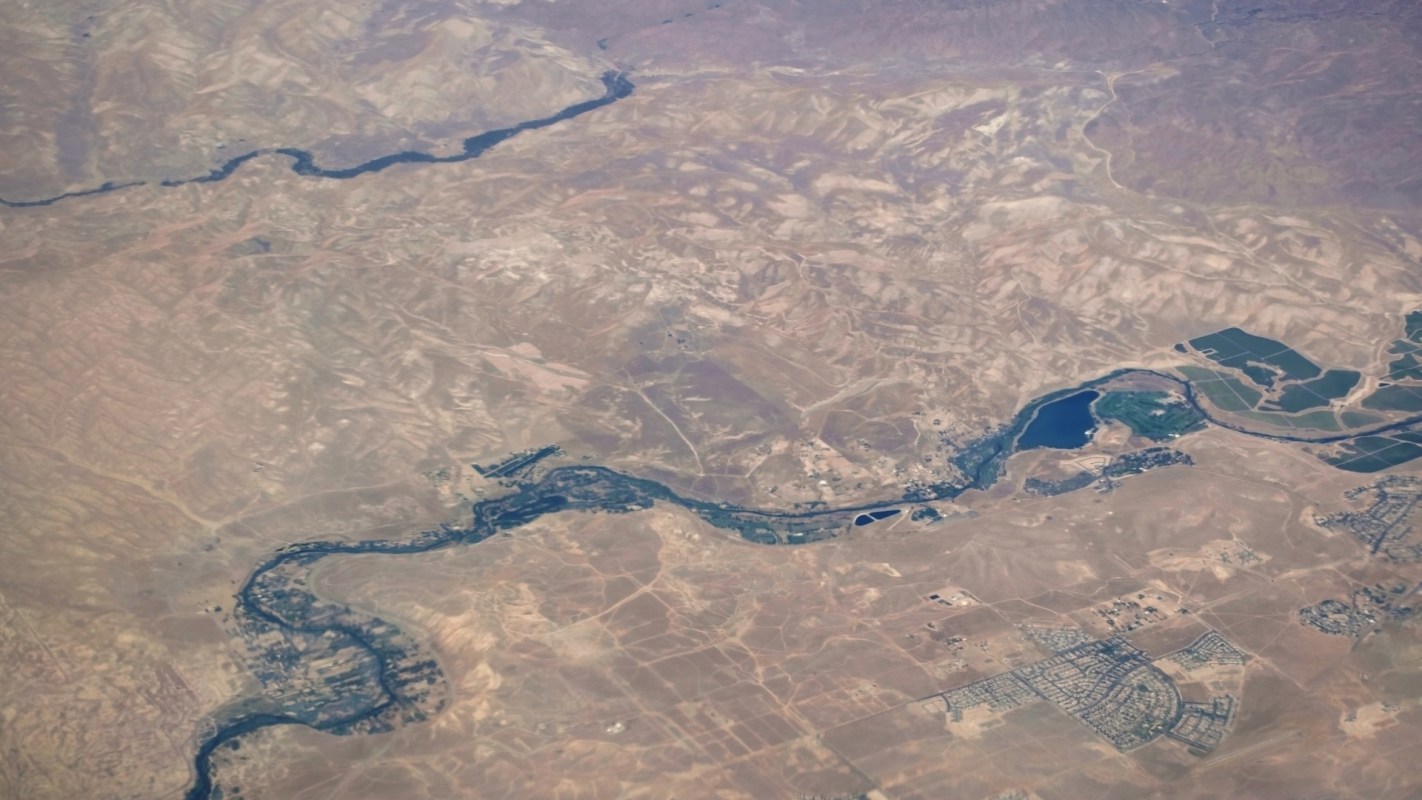
More than 60% of the United States is now dealing with drought, and experts say the breadth and severity of the dry spell make it one of the most serious the country has faced in decades.
What's happening?
Andrew Ellis, a geography professor and drought expert at Virginia Tech, said the current event is especially notable because of both its intensity and its reach. More than 20% of the country is now in extreme drought, creating what he described as a rare and troubling combination.
Ellis said an unusual La Niña pattern helped lay the groundwork last fall and winter. During La Niña, waters in the western equatorial Pacific cool, which typically pushes storm tracks farther north along the U.S.-Canada border. That often leaves much of the southern U.S. drier than normal.
But this time, the dry conditions spread even farther than expected. Ellis said the Pacific Northwest was also unusually dry, while moisture flowing from the Gulf of Mexico into the eastern U.S. remained limited for months.
"While precipitation remains the primary driver of drought, increased air temperatures lead to greater water loss from the soil through evapotranspiration, intensifying the effects of dry spells," Ellis explained.
Among the regions facing some of the biggest concerns are Colorado and parts of the Southeast, especially Georgia and Florida.
TCD Picks » Quince Spotlight
💡These best-sellers from Quince deliver affordable, sustainable luxury for all




Ellis also said, as noted in the Virginia Tech News report, that a deep drought extends across much of the Southeast, from the Deep South to the mid-Atlantic, as well as the central Rockies and high Plains. States from New Jersey to Arkansas are especially exposed in La Niña years because moisture from the Gulf and nearby coasts has been mostly absent for six to eight months.
Relief may not arrive anytime soon.
Ellis said meaningful drought improvement is difficult during the hottest months of the year. According to his report, some areas may experience rain from tropical systems in late summer or early fall, though those storms can also bring destructive winds and flooding. Further out, he said that a major El Niño by next fall and winter could shift conditions in a wetter direction.
Why is this drought significant?
A drought this widespread can put pressure on nearly every part of daily life.
Low soil moisture can damage crops, shrink pasture available for livestock, stress rivers and reservoirs, and increase wildfire risk. In the Rockies and high Plains, poor winter snowpack can create longer-term water challenges because those regions depend heavily on snow and major winter storms to replenish supplies.
Severe drought can also affect health, safety, and household budgets.
It can reduce access to safe water, worsen heat exposure, and contribute to unhealthy air when wildfires break out. It can hurt farmers, push up food and water costs, threaten outdoor jobs, and leave communities with fewer resources to respond to emergencies.
In other words, prolonged drought is not just an environmental issue — it can quickly become a public health, community safety, and economic issue too.
Rising global temperatures are making dry periods more punishing. When rainfall totals remain low for an extended period, hotter air draws more moisture from the soil and plants, making the impacts on crops, ecosystems, and water supplies even worse.
What's being done about drought?
In the near term, experts and water managers are closely monitoring conditions and watching for changes in major weather patterns, including the possible arrival of El Niño later this year. A wetter pattern next fall and winter could help some regions recover, though deep drought is often slow to fade.
Communities can also limit the damage by improving water planning, upgrading irrigation systems, repairing leaks, protecting local watersheds, and encouraging drought-tolerant landscaping instead of water-hungry lawns. In agriculture, more efficient soil and water management can help farms endure longer dry spells.
You can help by cutting outdoor water waste, planting native vegetation, and supporting local policies that strengthen long-term water resilience. On a broader level, reducing the pollution that is raising global temperatures can help limit the conditions that make droughts more intense and longer-lasting.
For now, forecasters are waiting to see whether the next seasonal shift will bring relief. However, the U.S. is in the grip of an unusually widespread and dangerous drought, and many parts of the country may need to brace for dry conditions through the summer.

Get TCD's free newsletters for easy tips, smart advice, and a chance to earn $5,000 toward home upgrades. To see more stories like this one, change your Google preferences here.






