


A New Hampshire bill that was originally designed to slow the spread of PFAS contamination on farmland is now raising new concerns after a Senate rewrite removed all references to sewage sludge, the very material at the heart of the proposal.
For farmers and communities already worried about toxic "forever chemicals" in soil and water, critics say the bill's evolving language has transformed it from a protective measure into one that could leave residents shouldering even more of the risk, the New Hampshire Bulletin reported.
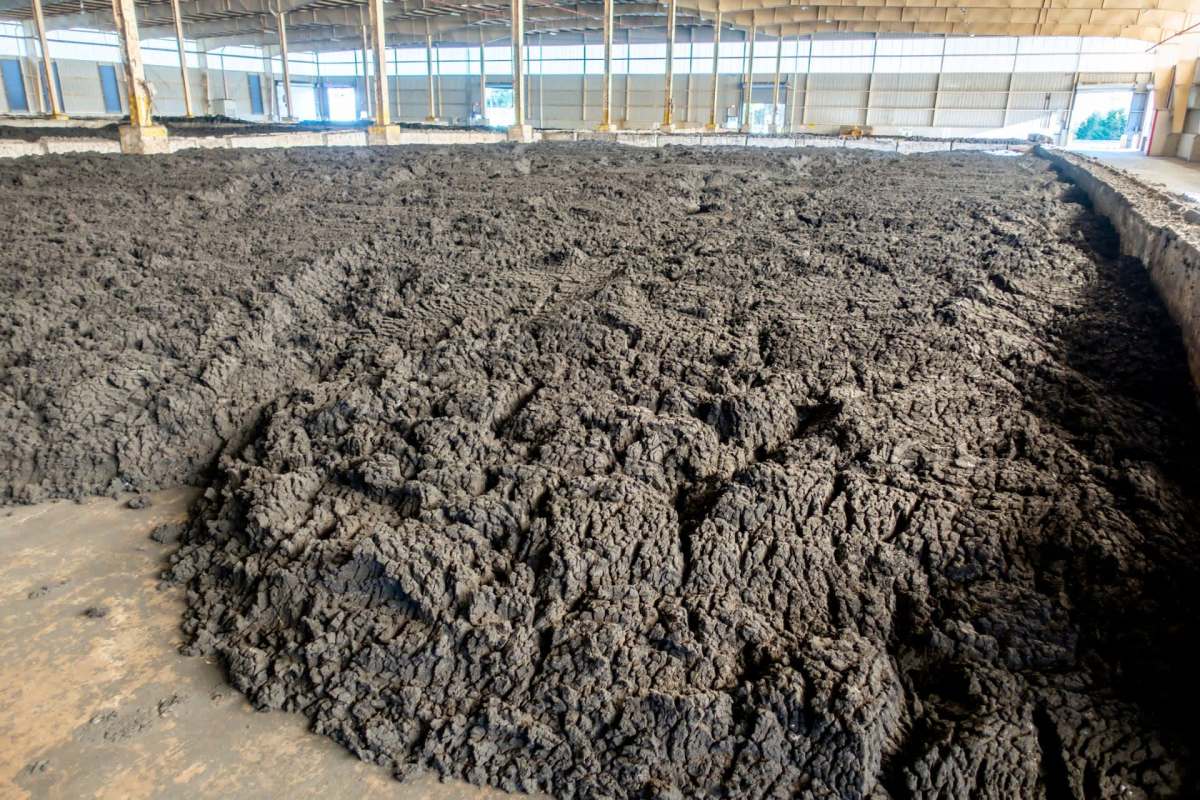
House Bill 1275 was introduced earlier this year in response to growing concern over PFAS in sewage sludge, also known as biosolids. Sewage sludge is treated wastewater material that is sometimes applied to fields as fertilizer or a soil additive.
When state Rep. Wendy Thomas first introduced the bill, it included three key provisions: a temporary halt on spreading sludge on farmland, a relief fund for farmers with contaminated land or water, and legal protections for farmers who unknowingly used PFAS-tainted material.
But after months of hearings and amendments, those protections changed dramatically.
Lawmakers first removed the moratorium after wastewater professionals said banning land application would create problems for treatment facilities that depend on "beneficial reuse" instead of landfilling or incineration.
TCD Picks » Quince Spotlight
💡These best-sellers from Quince deliver affordable, sustainable luxury for all




Later, a funding mechanism for farmers' PFAS testing was also eliminated.
Another Senate amendment created an exemption to New Hampshire's upcoming PFAS product restrictions for certain products "authorized by or under contract with the United States Department of Defense."
The biggest shift came on May 7, when the Senate approved a "replace-all" amendment that stripped every sludge-related provision from the bill.
Legislative staff later said that removal was the result of a drafting error, and the Senate is expected to take another look at the measure.
Even before that apparent mistake, some of the bill's early supporters said it had already moved far from its original purpose.
Durham resident Allison Jumper said the version in circulation before the Senate mishap "not only fails to solve the PFAS problem — it entrenches it."
The Conservation Law Foundation also withdrew its support, warning that the bill's liability protections had become overly broad and no longer protected the people they were intended to help.
Thomas, the bill's sponsor, has said that removing the moratorium while keeping liability protection "defeated the purpose" of the legislation because it still allowed contaminated sludge to be spread on land.
PFAS are often referred to as forever chemicals because they do not easily break down in the environment. They have been linked to serious health concerns, including certain cancers, and they can travel through soil, water, crops, and ultimately the food supply.
That means the sludge policy is not just a technical debate. It is a public health issue that affects farmers, families, and entire communities.
If biosolids containing PFAS continue to be spread without a clear state safety standard, critics fear New Hampshire could allow contamination to build up in farmland and nearby water sources while leaving residents to manage the consequences.
The issue feels especially urgent in communities already dealing with contamination.
Thomas, who lives in Merrimack and has cancer herself, has pushed back on suggestions that New Hampshire's PFAS problem is less serious than Maine's. Her point is straightforward: Without more testing, the state has no basis for assuming it is safer.
That uncertainty is exactly what alarms advocates. In their view, a bill that began as an effort to prevent contamination could now make it easier for pollution to continue while reducing accountability.
Sen. Debra Altschiller warned that exemptions for powerful actors, like defense contractors, could leave farmers, municipalities, and residents "dealing with the consequences."
There are still several possible paths forward.
For one thing, the Senate is expected to revisit the bill after lawmakers said the deletion of the sludge language was unintentional. Whether those original protections are restored, and what they look like if they are, will determine whether the bill returns to its original focus of preventing contamination at the source.
Separately, the New Hampshire Department of Environmental Services has said that testing for and reporting certain PFAS chemicals in biosolids became mandatory on Friday.
That would mark a step toward stronger oversight, although the state still has no PFAS standard for biosolids, so test results by themselves do not yet prevent distribution.
State officials are also using soil modeling to help develop a future biosolids safety standard, with rulemaking expected to begin next year.
And while the Senate's mistaken rewrite removed the sludge provisions, it did retain one notable PFAS-related measure — broadening eligibility for the state's PFAS Response Fund so another 196 public water supplies could qualify for remediation assistance, according to the New Hampshire Bulletin.
Protecting public health means keeping toxic chemicals out of farmland and drinking water before communities are left to pay the price. Right now, critics say New Hampshire's bill is at risk of doing the opposite.

Get TCD's free newsletters for easy tips, smart advice, and a chance to earn $5,000 toward home upgrades. To see more stories like this one, change your Google preferences here.






